The Kenya Revenue Authority (KRA) has introduced a new measure to curb tax evasion by enforcing the mandatory issuance of digital invoices to individual importers and traders whose goods are transported as consolidated cargo. This move follows a compromise deal between President William Ruto and small traders in September, which saw the minimum customs charge for containerised consolidated cargo lowered to Sh2 million. The KRA is working with cargo consolidators to facilitate the issuance of electronic tax invoices through the Electronic Tax Invoice Management System (eTIMS).
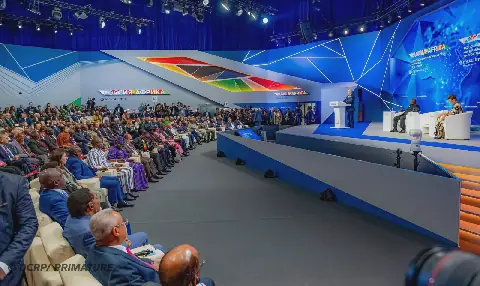
According to a source at KRA, the compromise deal was reached during a meeting between small traders and President Ruto in September. The deal required the benchmark customs rate to be lowered to Sh2 million and all importers and traders to file taxes on their consolidated cargo. The KRA is now enforcing this agreement, which is expected to bring discomfort to some traders who have been dodging tax by not declaring what is being shipped into the country and by whom.
Insiders at KRA revealed that most importers and traders whose goods are transported in single shared containers have not been complying with the invoicing requirement. The KRA has flagged loopholes in the consolidated cargo shipment scheme, with some phony traders taking advantage to dodge tax. This has been witnessed in recent multiple incidents where customs officials intercepted concealed and under-declared items.
The KRA has discovered several cases of tax evasion, including a Sh25.45 million drug haul hidden in a cargo consignment declared as cosmetics. The consignment, shipped in from Dubai and destined for Mombasa via the Eldoret International Airport, contained 141 items packed in seven different forms. Two batches of the consignments tested positive for powerful stimulants, including methamphetamine and amphetamine.
The KRA has also uncovered a separate case involving the concealment and under-declaration of smartphones in consolidated cargo passing through Eldoret International Airport. Investigators found 55,607 basic smartphones in a shipment whose customs documents declared only 3,000 phones. They also found 309 undeclared high-end devices, resulting in an additional tax liability of Sh56 million.
Under the new directive, cargo consolidators are required to issue electronic tax invoices through eTIMS to individual traders and importers whose goods are transported as consolidated cargo. The consolidators must ensure compliance with the requirement for declaration of individual importers' details, including name, PIN number, identity card number, telephone number, item description, and value of items.
The KRA's move is expected to increase tax revenue and reduce tax evasion. The authority is working to facilitate the issuance of electronic tax invoices and ensure compliance with tax laws and regulations. The new measure is also expected to enable eligible VAT registered importers to claim input VAT on their imported goods, subject to applicable tax laws and regulations.
Key points
- The KRA has introduced digital invoicing for consolidated cargo to curb tax evasion.
- The new measure follows a compromise deal between President Ruto and small traders in September.
- The KRA has discovered several cases of tax evasion, including a Sh25.45 million drug haul and under-declared smartphones.