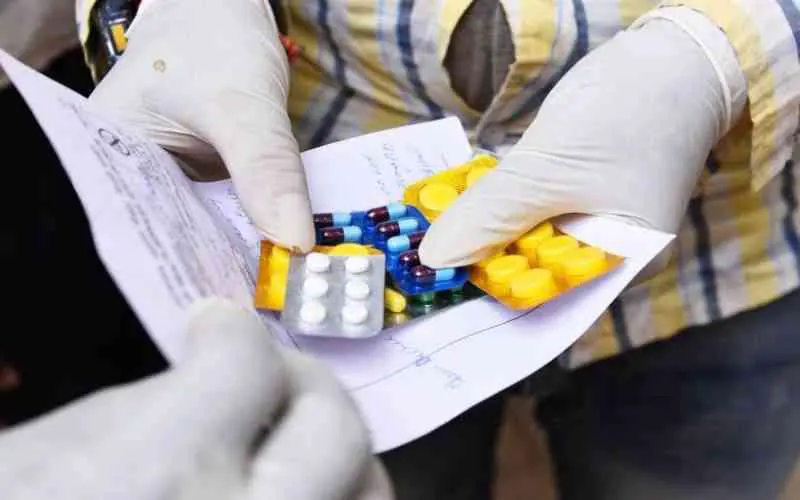
The Kenyan government has set a target to locally manufacture at least half of its essential health products by 2030. This move is part of a broader strategy to reduce the country's dependence on imported medicines and establish Kenya as a regional pharmaceutical manufacturing hub. The initiative is outlined in the government's 2026–2030 Health Products and Technologies Local Manufacturing Strategy.
Health Cabinet Secretary Aden Duale emphasized the importance of reliable, quality-assured products made locally. He stated that increased local production must be accompanied by stronger regulation to protect patients and ensure medicines meet required safety, quality, and efficacy standards. The Pharmacy and Poisons Board is working towards achieving World Health Organization (WHO) Maturity Level 3.
Kenya has implemented a National Track and Trace System to enhance control over the pharmaceutical supply chain. This system aims to prevent counterfeit or substandard medicines from entering the market. Duale highlighted that regulation can be smarter, faster, and increasingly digitally driven. The government is working to harmonize regulatory systems across Africa.
The harmonization of national regulatory authorities aims to reduce duplication and speed up access to quality-assured medicines across borders. Duale called for stronger collaboration between governments, regulators, procurement institutions, industry players, and development partners. This collaboration is crucial for creating stronger and more predictable markets for locally manufactured medicines.
The AfriSummit 2026, which took place in Nairobi, brought together over 450 senior leaders from 16 national regulatory authorities, regional bodies, development partners, and industry players. Duale stressed that Africa's pharmaceutical future depends on collaboration rather than individual countries working alone. He emphasized that partnerships are essential for expanding local manufacturing, strengthening regulation, and improving access to quality health products.
Kenya is committed to working with African partners to achieve the goal of local medicine production. Duale stated that a partnership formed today can save lives across borders tomorrow. The government is working to create an environment that attracts investment and sustains production. This includes establishing stronger regulatory systems and enhancing market predictability.
The local manufacturing strategy is expected to improve access to quality and affordable medicines for Kenyans. The government aims to balance local production with the need for imported medicines. The implementation of the strategy will be crucial in achieving the 50% target by 2030. KEY_POINT: Kenya aims to manufacture 50% of its essential health products locally by 2030. KEY_POINT: The government is working to harmonize regulatory systems across Africa. KEY_POINT: Stronger collaboration between stakeholders is crucial for creating predictable markets for locally manufactured medicines.