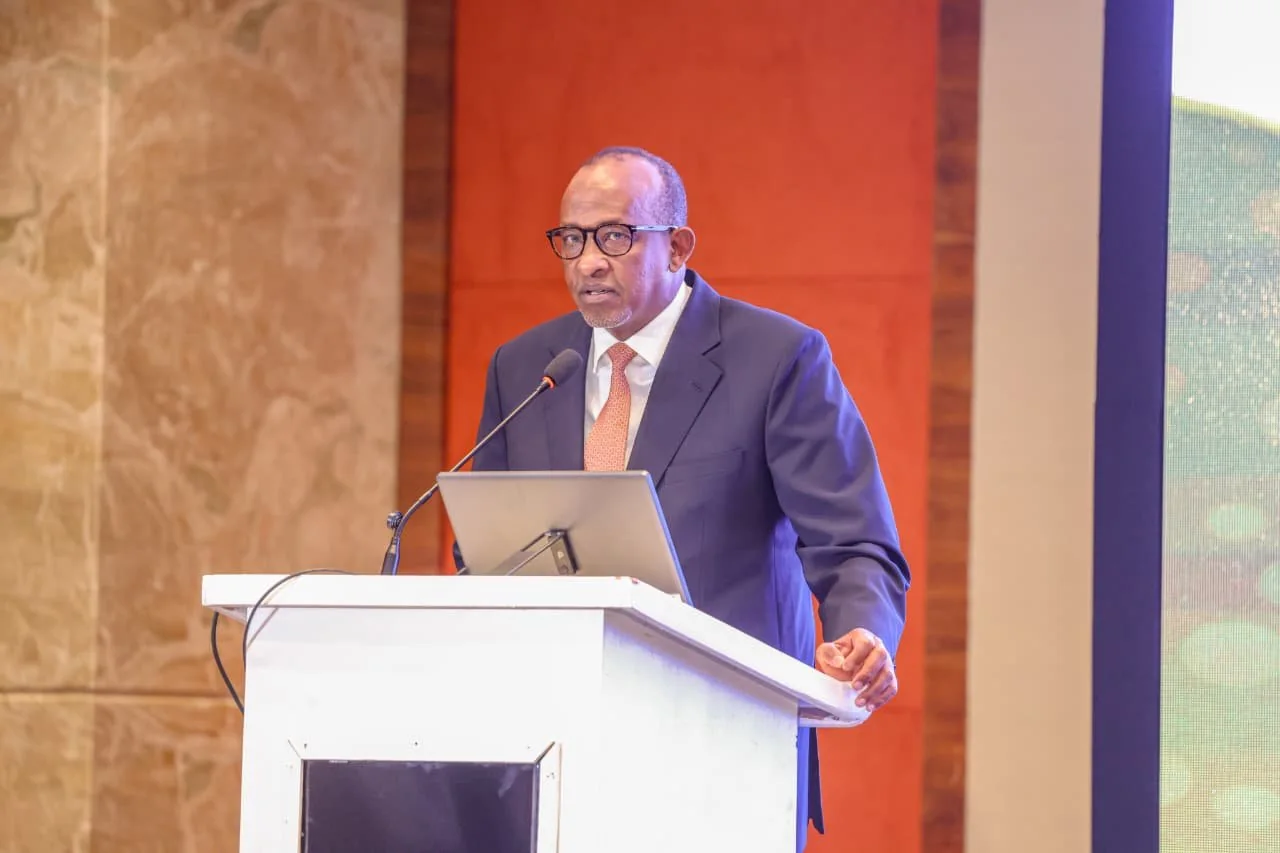
The Kenyan government has set a target to locally produce at least 50% of its essential health products by 2030. This goal is part of the Kenya Health Products and Technologies Local Manufacturing Strategy 2026–2030. The strategy seeks to expand domestic production of medicines, vaccines, diagnostics, and medical devices while strengthening regulatory systems. Health Cabinet Secretary Aden Duale announced this target during the sixth PharmaReg AfriSummit 2026.
Currently, Kenya imports an estimated 70% to 80% of the pharmaceuticals it consumes, while local manufacturers produce about 20% of the medicines on the country's Essential Medicines List. The World Health Organization (WHO) estimates that African countries import between 70% and 100% of finished pharmaceutical products. Kenya's new strategy aims to address this gap by expanding production capacity and creating stronger markets for locally manufactured health products.
Thirteen new pharmaceutical companies have commenced operations in Kenya, with some producing for export. The country already has more than 37 licensed pharmaceutical manufacturers producing 694 medicine formulations. Kenya is also the third-largest pharmaceutical exporter in Africa and the largest supplier within the Common Market for Eastern and Southern Africa. Pharmaceutical exports increased from Sh12.2 billion in 2022 to Sh19.9 billion in 2024.
The government is strengthening regulation, surveillance, and traceability as it seeks to achieve WHO Maturity Level 3 for its regulatory system. The Pharmacy and Poisons Board has removed more than 2,200 substandard, falsified, and non-compliant products from the market. The National Track and Trace System, rolled out in July 2026, is improving product visibility and security across the supply chain.
Regulatory cooperation across Africa will be critical to improving access to quality-assured medicines. The African Medicines Agency and greater regulatory harmonization will help reduce duplication, improve efficiency, and expand access to quality-assured medicines. Kenya is pursuing partnerships in vaccine research, biotechnology, and pharmaceutical manufacturing to build stronger and more resilient health systems.
The Ministry of Health began rolling out digital platforms aimed at improving supply-chain visibility and addressing substandard medical products. Partnerships will remain central to strengthening health systems and achieving Universal Health Coverage. Kenya continues to deepen partnerships with governments, regulators, industry, and development partners to build stronger health systems across Africa.
The sixth PharmaReg AfriSummit 2026, attended by over 450 healthcare professionals, regulators, and industry players, will focus on pharmaceutical regulation, local manufacturing, and regulatory collaboration. The summit aims to help African countries strengthen health security and advance Universal Health Coverage. Key stakeholders, including Principal Secretary for Medical Services Dr. Ouma Oluga and Pharmacy and Poisons Board Chairperson Dr. John Munyu, are in attendance.
Key points
- Kenya aims to locally produce 50% of its essential health products by 2030.
- The country currently imports 70-80% of its pharmaceuticals.
- Kenya is strengthening regulation and partnerships to achieve Universal Health Coverage.