The Kenyan government is bolstering its medicines regulatory systems to guarantee the safety, efficacy, and quality of medical products entering the market. Pharmacy and Poisons Board (PPB) Chairperson John Munyu stated that the country has made significant progress in strengthening laws, technical capacity, quality systems, and regulatory processes. This development aims to provide patients with trust in the medicines they receive, from approval to delivery.
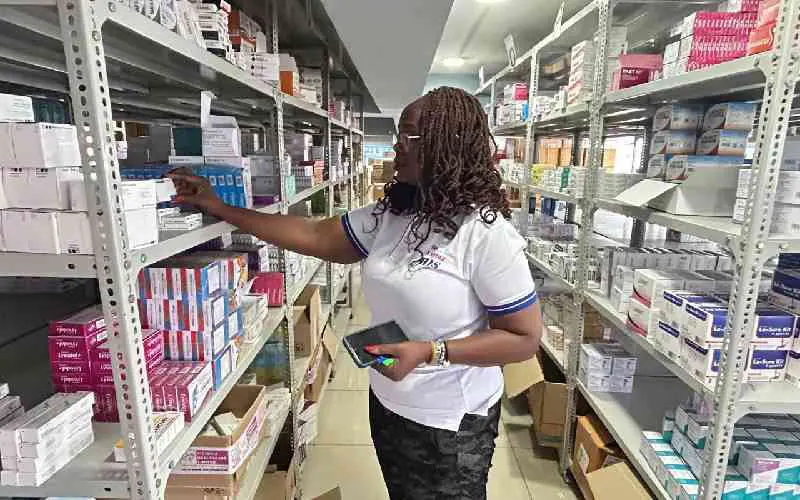
Munyu emphasized that patients should have confidence in the medicines they receive, without questioning their assessment, storage, or entry into the supply chain. The PPB has enhanced regulatory oversight across the life cycle of medical products, including the renewal of marketing authorizations. This ensures that products remain under regulatory scrutiny even after initial approval. Furthermore, the PPB has increased inspections of manufacturers, wholesalers, and other premises to prevent compromised medicine quality due to poor storage and handling.
The PPB is further strengthening pharmacy practice standards while implementing authentication and traceability systems. These systems enable regulators to track products through the supply chain and respond quickly to identified problems. Kenya is also adopting regulatory reliance, utilizing assessments and inspection outcomes from trusted regulatory authorities to support national regulatory decisions. This approach aims to improve the efficiency and transparency of regulatory services.
Munyu revealed that Kenya's progress through the World Health Organisation Global Benchmarking Tool has facilitated reforms and sharpened the country's focus on its regulatory system's performance. The PPB chairperson emphasized that strong regulation is crucial, as patients benefit from rigorous and dependable regulatory systems. The four-day PharmaReg and MedDevReg AfriSummit 2026 brings together regulators, industry players, and stakeholders to discuss regulatory maturity, reliance, local manufacturing, digital systems, and supply chain security.
The summit aims to facilitate the sharing of experiences, development of partnerships, and identification of practical solutions to strengthen regulation across the continent. Munyu called on delegates to collaborate and address the interconnected challenges facing the pharmaceutical and medical device sectors. The PPB chairperson highlighted the importance of supporting businesses that comply with established standards and taking firm action against substandard and falsified medical products.
Kenya's strengthened regulatory systems will prioritize improving the efficiency and transparency of regulatory services. The country will also focus on supporting compliant businesses and taking action against substandard products. Munyu stressed that patients benefit when regulatory systems are both rigorous and dependable. The implementation of these regulations will ensure that patients receive safe, effective, and high-quality medicines.
The strengthened regulations are a significant step towards ensuring the quality of medicines in Kenya. The country's progress in regulatory systems will be monitored, and further developments will be implemented as necessary. The collaboration between regulatory authorities, industry players, and stakeholders will continue to play a crucial role in maintaining the safety and quality of medical products.
Key points
- - The Kenyan government is strengthening its medicines regulatory systems to ensure medical products are safe, effective, and of assured quality. - The Pharmacy and Poisons Board (PPB) has enhanced regulatory oversight across the life cycle of medical products. - The country is adopting regulatory reliance, utilizing assessments and inspection outcomes from trusted regulatory authorities to support national regulatory decisions.