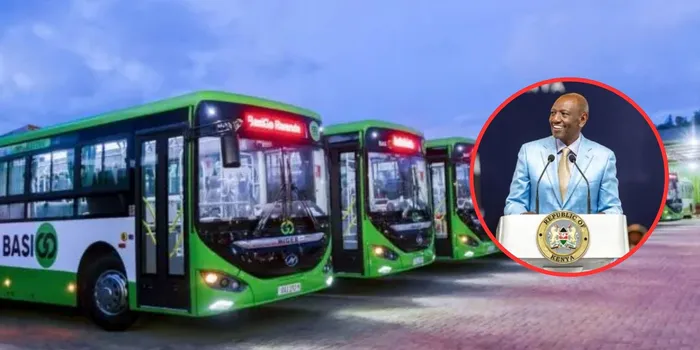
The Kenyan government has signed a Ksh390 billion memorandum of understanding to invest in electric vehicle manufacturing and green mobility infrastructure. This deal, signed on October 6, 2026, is expected to create thousands of jobs and boost local vehicle production. The investment will go towards building electric vehicle assembly plants, solar-powered charging hubs, and a digital fleet platform. This move is part of Kenya's efforts to reduce its reliance on imported finished vehicles and retain greater economic value within the country.
Under the plan, two assembly plants will be built, with one capable of assembling up to 50,000 four-wheel vehicles annually, and the second producing up to 100,000 two-wheelers and light-mobility units each year. Additionally, 1,000 solar-powered charging hubs will be constructed, and a digital platform will be developed to manage 100,000 green vehicles. This infrastructure is expected to support the growth of electric vehicles in Kenya and provide new opportunities for the local automotive industry.
President William Ruto described the MOU as one of the region's largest commitments to electric mobility. He stated that the project will create about 2,000 direct jobs and more than 20,000 indirect positions, with an additional 80,000 opportunities in fleet management. Ruto emphasized that expanding local assembly will help reduce Kenya's reliance on imported finished vehicles and retain greater economic value within the country. This move is expected to have a positive impact on Kenya's economy and job market.
The agreement follows Kenya's National Electric Mobility Policy, launched in February 2026, which aims to attract investment in EV manufacturing, assembly, and charging infrastructure. The policy provides a framework for the growth of the electric vehicle sector in Kenya and sets out to create a supportive environment for investors. By investing in electric vehicle infrastructure, the government hopes to stimulate economic growth and reduce the country's carbon footprint.
According to the Ministry of Roads and Transport, cumulative electric vehicle registrations in Kenya rose to 39,324 by the end of 2025, up from 1,378 in 2022. This represents significant growth in the electric vehicle market in Kenya, driven by increasing demand for environmentally friendly transportation options. The government has also introduced tax incentives, such as zero-rating VAT on electric buses, bicycles, motorcycles, and lithium-ion batteries, to stimulate the sector.
The investment in electric vehicle infrastructure is expected to have a positive impact on Kenya's environment. Electric vehicles produce zero tailpipe emissions, reducing air pollution and greenhouse gas emissions. By promoting the adoption of electric vehicles, the government hopes to reduce the country's carbon footprint and contribute to a cleaner environment. The construction of solar-powered charging hubs will also support the growth of renewable energy in Kenya.
The Ksh390 billion investment is a significant commitment to electric mobility in Kenya and is expected to drive growth in the sector. With the right implementation and support, this project has the potential to transform Kenya's transportation sector and contribute to a more sustainable future. Key stakeholders will be watching closely to ensure that the project is delivered on time and that its benefits are realized.
Key points
- Kenya signs Ksh390 billion MOU for electric vehicle assembly and charging network.
- The project is expected to create about 2,000 direct jobs and more than 20,000 indirect positions.
- Electric vehicle registrations in Kenya rose to 39,324 by the end of 2025, up from 1,378 in 2022.