The Kenyan government is seeking to mobilize Sh96 billion in private capital investments in public-private partnerships (PPPs) in the current financial year ending June 2027. This represents a 74.5 percent increase from the Sh55 billion mobilized through PPPs in the previous financial year ended June 2025. The investment target comes as the government faces mounting debt repayments, which have shrunk the room for financing development.
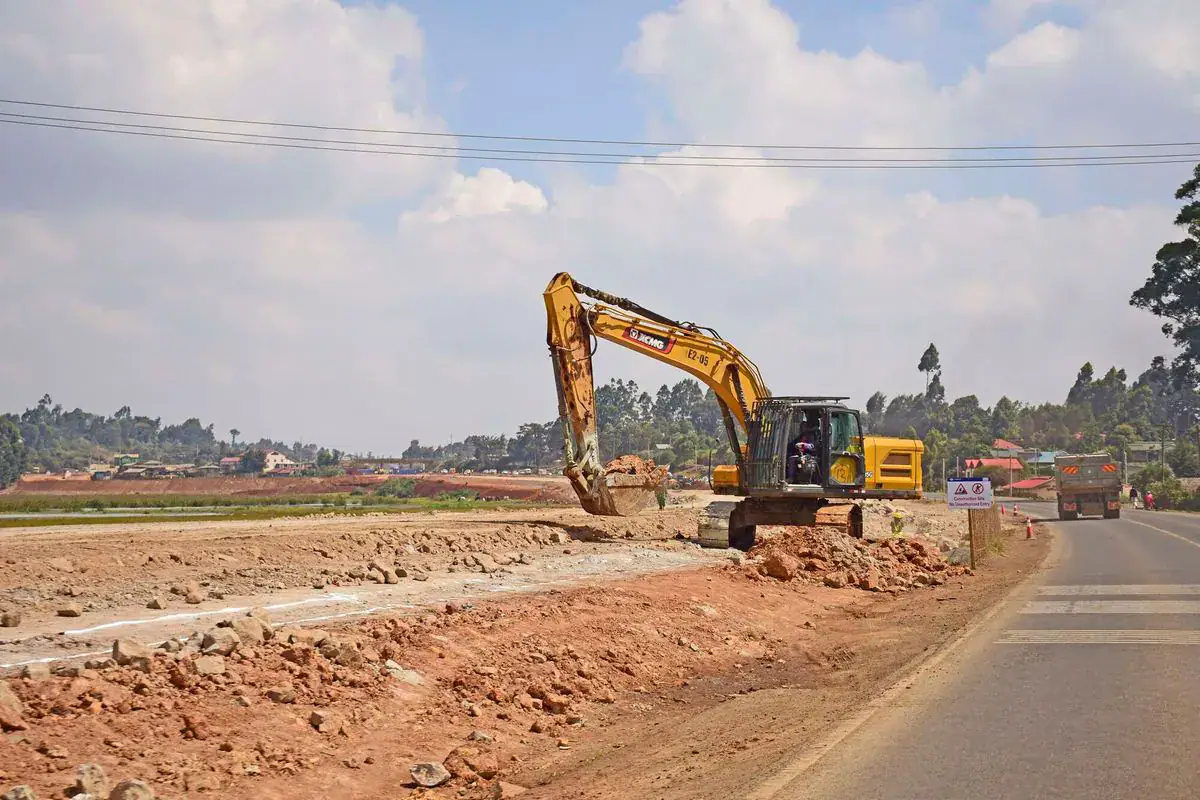
The private cash mobilized in the year ended June 2026 represents a 30 percent equity component in anticipated private capital investment of Sh183 billion for several road projects, including the Rironi-Gilgil, Rironi-Maai Mahiu-Naivasha, and Gilgil-Nakuru-Mau Summit road projects. The government is increasingly relying on private investors to finance roads, electricity, water, healthcare, and technology infrastructure as debt servicing absorbs a growing share of tax revenue and limits funding available through the national budget.
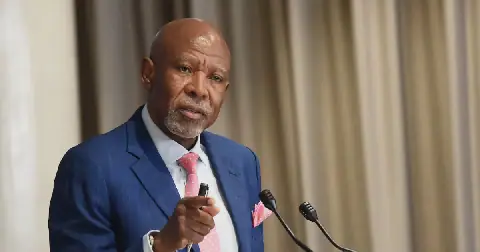
Under the PPP arrangement, private companies finance, build or operate public infrastructure for an agreed period, recovering their investments through tolls, user charges, or other contractual payments. An example of this model is the Nairobi Expressway, with its Chinese developer, CRBC-owned Moja Expressway Company, recovering construction costs through toll charges paid by motorists under a concession running to 2047. The Treasury Cabinet Secretary, John Mbadi, says the National Treasury projects to mobilize a total of Sh96 billion private capital investments in PPPs during the financial year 2026/2027.
The Treasury has identified six projects expected to underpin the latest mobilization target, including a Sh41.6 billion electricity transmission network sponsored by Africa50 and PowerGrid, a Sh27.9 billion Sabaki Water Carrier, and Sh8.85 billion accommodation facilities for staff and caregivers at Kenyatta National Hospital (KNH). Other projects include a Sh45 billion smart driving licenses contract, a Sh6.5 billion expansion of Konza Data Cloud and smart-city facilities, and a Sh3.3 billion solar-powered street-lighting project in Eldoret.
However, the timing of these investments may present a challenge, with some projects scheduled to reach financial close as late as financial year 2028/29. The KNH and Sabaki Water Carrier projects are scheduled to reach financial close in 2027/28, while the Konza expansion is expected to reach the same milestone in 2028/29. The Eldoret lighting project is scheduled for 2026/27, and the smart driving licenses contract, signed on June 30, 2026, with Pesa Print Consortium and KCB Group, is already under construction.
The Treasury says more than Sh200 billion has been mobilized through PPPs over the years, allowing the government to undertake capital-intensive projects without immediately financing the entire construction cost from the Exchequer or relying solely on conventional public borrowing. The approach has gained importance as debt repayments squeeze development budgets, leaving fewer resources for infrastructure and essential services such as water, electricity, roads, healthcare, and education.
The latest target signals a renewed push to revive a financing model that suffered a sharp slowdown following protracted negotiations, project disputes, and the cancellation of major infrastructure deals involving India's Adani Group. Private capital mobilized through PPPs fell to Sh4.3 billion in the year ended June 2024 and Sh17.7 billion in the year that followed, from Sh80.6 billion in financial year ended June 2022 when the Nairobi Expressway was built.
Key points
- The Kenyan government aims to attract Sh96 billion in private investment for infrastructure projects in sectors such as electricity transmission and water in the current financial year.
- The investment target represents a 74.5 percent increase from the Sh55 billion mobilized through PPPs in the previous financial year ended June 2025.
- The government is increasingly relying on private investors to finance roads, electricity, water, healthcare, and technology infrastructure as debt servicing absorbs a growing share of tax revenue and limits funding available through the national budget.
Reporting sources
- Private investors line up Sh96bn for State projects · Business Daily Africa