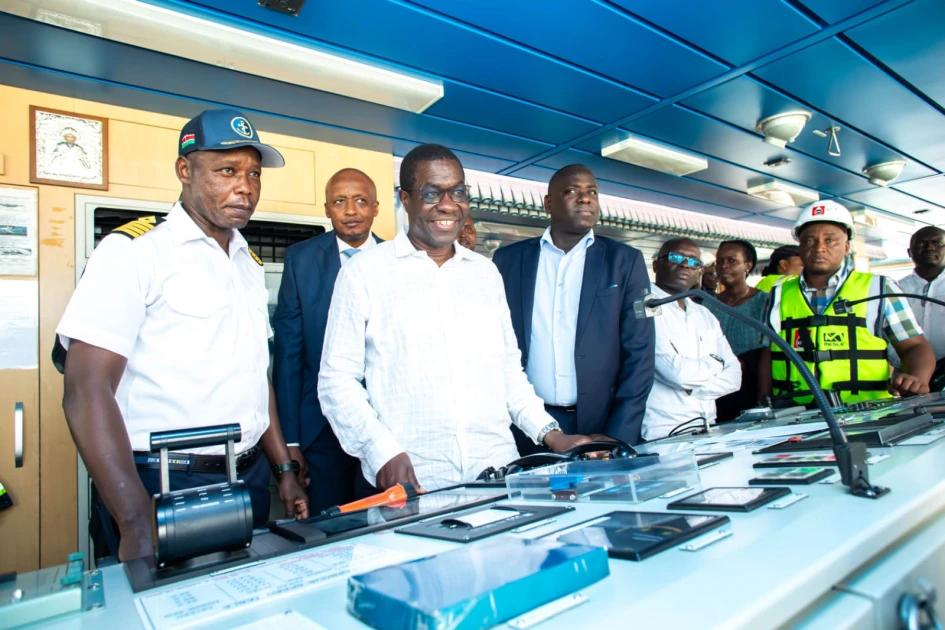
Kenya has secured a significant deal with Rwanda for fuel imports, marking a major shift in the region's energy dynamics. On September 29, 40,000 metric tonnes of petrol and diesel arrived at the Port of Mombasa, aboard the MT Sea Wolf. This shipment, equivalent to nearly a month of Rwanda's consumption, is the first under a framework agreement signed on June 29 between Kenya and Rwanda. The deal is expected to grow Rwanda-bound volumes through the Northern Corridor tenfold.
The fuel will be transported via the Kenya Pipeline Company (KPC) pipeline to the Kisumu Oil Jetty before being shipped through Lake Victoria to Rwanda. Energy Cabinet Secretary James Opiyo Wandayi expressed confidence in Kenya's ability to serve as Rwanda's gateway to global energy markets. He emphasized that the project will increase petroleum product movement from Kenya to Rwanda tenfold over the coming years. This development is seen as a vote of confidence in Kenya's infrastructure and logistics capabilities.
The KPC pipeline network, spanning 1,342 kilometers, has an annual capacity of 14 billion liters and a storage capacity of 1.138 billion liters. Acting KPC Managing Director Pius Mwendwa assured that the pipeline is ready to handle the increased volumes without affecting local supply. The infrastructure upgrade is part of Kenya's strategy to cement its position as the East African Community's (EAC) energy hub. This move is also expected to boost Kenya Ports Authority (KPA) and KPC transit revenues.
Rwanda's Minister of State in the Ministry of Infrastructure, Armand Zingiro, expressed optimism about the project, citing its potential to diversify Rwanda's import routes and strengthen energy security. The deal aligns with Rwanda's energy security strategy, which includes building strategic fuel reserves and expanding fuel storage facilities. By using the Mombasa route, Rwanda aims to mitigate risks associated with global shipping disruptions.
The agreement is a significant development in the regional energy landscape, with implications for competition between Mombasa's Northern Corridor and Dar es Salaam's Central Corridor. CS Wandayi hinted that Kenya is eyeing future fuel supply to Rwanda from the planned Lamu Refinery. This move could further solidify Kenya's position as a key player in the region's energy market.
KPA Managing Director Captain William Ruto highlighted the port's role in handling petroleum products for various East African markets. He noted that the port is currently handling three vessels for the EAC, carrying different petroleum products. Additionally, KPA is facilitating other projects, including the Lokichar crude oil project. The authority is also supporting the Dangote shipment cargo, demonstrating its capacity to handle diverse trade projects.
The fuel deal between Kenya and Rwanda is expected to have a lasting impact on the region's energy dynamics. With the Mombasa Port serving as a critical gateway for Rwanda's fuel imports, Kenya is poised to strengthen its position as a key energy hub in East Africa. The success of this project will depend on the continued collaboration between Kenya and Rwanda, as well as the efficient management of the logistics and infrastructure involved.
Key points
- The deal will grow Rwanda-bound volumes through the Northern Corridor tenfold, from 60,000 to 600,000 cubic meters annually.
- The 40,000 metric tonnes of petrol and diesel that docked at Mombasa Port are equivalent to nearly a month of Rwanda's consumption.
- The project is expected to boost Kenya Ports Authority (KPA) and KPC transit revenues and cement Mombasa's position as the EAC's energy hub.