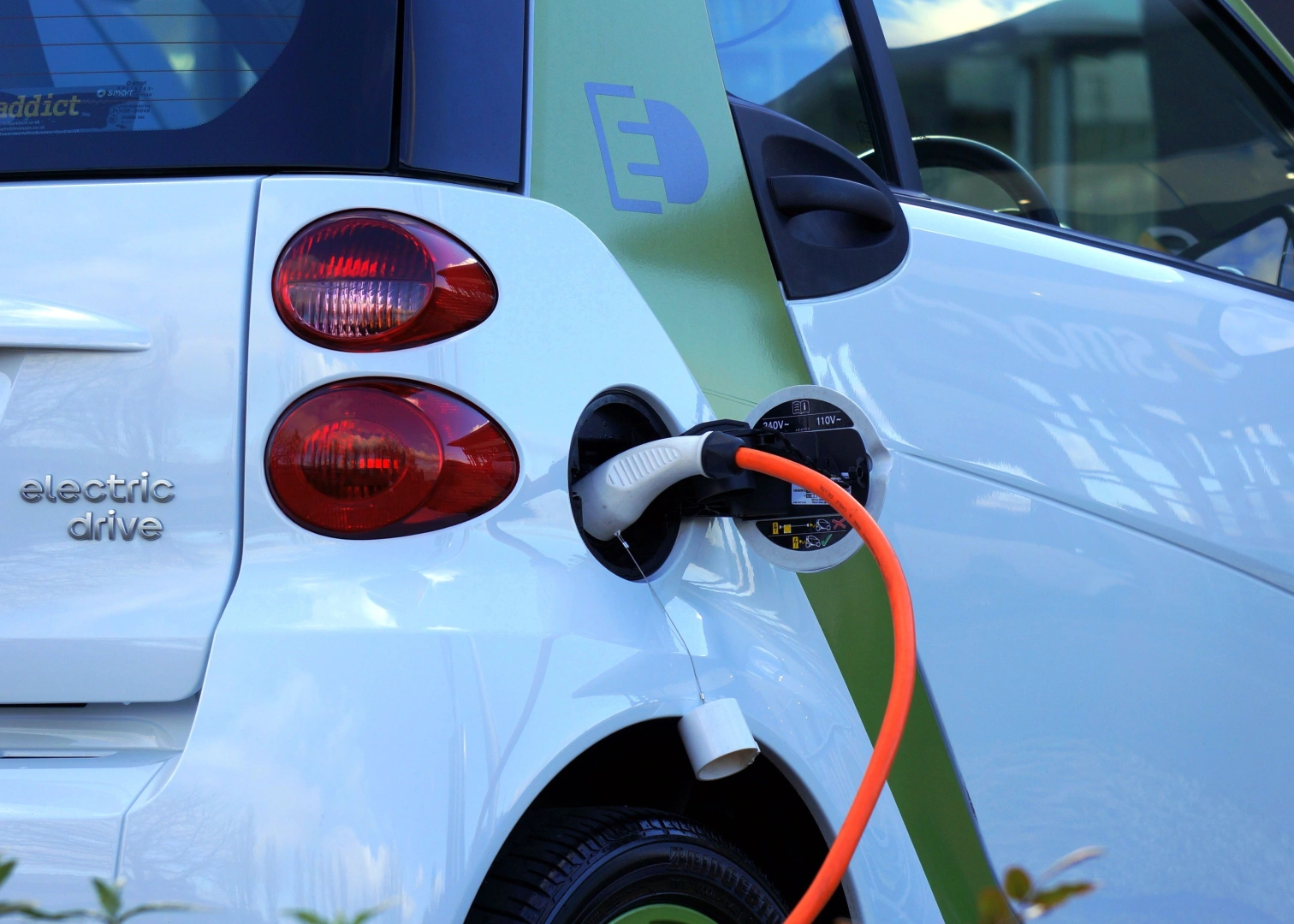
Kenya's energy regulator, the Energy and Petroleum Regulatory Authority (EPRA), has removed the monthly usage cap that limited the power electric vehicle (EV) charging stations could draw under the special e-mobility electricity tariff. This change, published in a Gazette Notice on September 18, 2026, amends the tariff schedule EPRA first set out in 2023. The move is expected to boost the growth of EV infrastructure in the country.
Under the old rules, e-mobility customers were treated like small commercial power users, paying standard rates up to 15,000 kilowatt-hours a month. Once they crossed that line, they faced a penalty of up to KES 5 extra per unit. The tariff itself remains the same: KES 16 per kilowatt-hour during normal hours, dropping to KES 8, half price, between 10 PM and 6 AM. Charging stations, battery swap points, and fleet depots can now use as much power as their business demands without being bumped into a more expensive pricing bracket.
The old rules had a significant impact on the operations of EV charging station operators. Some operators, like BasiGo, the electric bus maker, and Spiro, had to deliberately cap the number of vehicles they served at a single station to stay under the 15,000 kWh threshold and keep the cheaper rate. BasiGo alone runs 17 stations, most of which were exceeding the old limit, while more than 20 of Spiro's 500 battery-swapping stations were in the same boat.
Industry figures are hailing this change as a turning point. Moses Nderitu, vice president of the Electric Mobility Association of Kenya and managing director of BasiGo Kenya, said the extra headroom means operators can now expand charging infrastructure to serve motorbikes, vans, and private EVs, not just their own vehicle brands. This move is expected to increase the adoption of electric vehicles in the country.
EPRA has also made several other adjustments to the tariff schedule. Small commercial, e-mobility, and industrial customers in categories CI1 through CI7 will now have their consumption threshold calculated from the average of their first three months of billing rather than a fixed number. This change is expected to provide a more accurate reflection of their energy usage.
Businesses in categories CI1 through CI7 that operate at full capacity around the clock can also qualify for a 5% discount on off-peak rates, once Kenya Power verifies their output. Additionally, EPRA has formally defined net metering and power dumping for the first time. Customers generating their own renewable power and feeding surplus back into the grid will be credited for half of what they export, with the rest billed at standard rates.
The changes apply retroactively from July 1, 2025, and were signed off by Acting Director-General Dr. Joseph Oketch. For a government trying to cut its fuel import bill and reduce dependence on Gulf oil, removing a rule that penalized growing EV businesses is a direct way to keep the momentum going. The move is expected to support the growth of the electric vehicle industry in Kenya.
Key points
- The removal of the monthly power usage cap is expected to boost the growth of EV infrastructure in Kenya.
- The change in tariff schedule is expected to increase the adoption of electric vehicles in the country.
- The adjustments made by EPRA are expected to provide a more accurate reflection of energy usage and support the growth of the electric vehicle industry in Kenya.