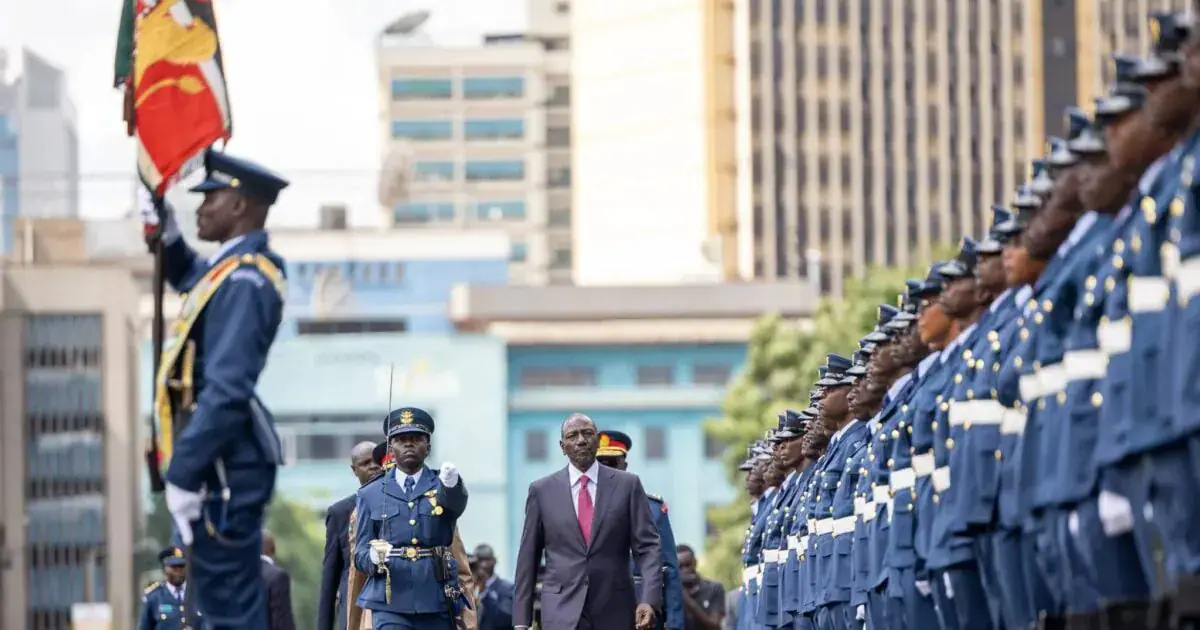
For the first time in 65 years, Kenya has taken a significant step in managing its national examinations by printing the papers locally. This development was announced by President William Ruto during his fourth State of the Nation Address to Parliament. The move is expected to save the country Sh1.5 billion. A total of 3.6 million learners are sitting for the Kenya Primary School Education Assessment (KPSEA), Kenya Junior School Education Assessment (KJSEA), and Kenya Certificate of Secondary Education (KCSE).
The national examinations have been conducted in a calm and orderly atmosphere, free from the anxiety and tension that had characterised previous examination periods. According to President Ruto, this marks a significant shift in the country’s examination administration. The President emphasized that examinations should be a normal part of the learning process, not a source of fear or intimidation. He added that the government is working to ensure that examinations assess students' progress without instilling fear about their future.
The government has made significant investments in the education sector, aimed at reducing the financial burden on households. One of the key initiatives is the recruitment of 100,000 teachers in four years, with plans to employ an additional 20,000 to address the shortage of teachers in public schools. When the current administration assumed office, Kenya faced a teacher shortage estimated at 116,000. The President also disclosed that parents had previously been forced to contribute towards the employment of teachers through Boards of Management.
To improve learning facilities, the government has constructed 23,000 classrooms and is constructing and equipping 1,600 laboratories. The annual government allocation to the education sector has risen from Sh521 billion in the 2022/23 financial year to Sh784 billion in the current financial year. This increased investment in education aims to make learning more affordable and equip children with the necessary skills for employment and economic productivity.
President Ruto called on schools to ensure that public resources reach learning institutions promptly and are managed responsibly. He warned against imposing unauthorized charges on parents, emphasizing that parents should not be required to carry public obligations through unauthorized charges. The President's address highlighted the government's commitment to improving the education sector and making it more accessible to all Kenyans.
The local printing of examination papers is a significant milestone in Kenya's education sector. This move is expected to reduce the country's reliance on external suppliers and save costs. The government has also made efforts to improve the examination process, making it more efficient and less intimidating for students. By doing so, the government aims to create a more conducive learning environment that fosters academic excellence.
The increased investment in education and the measures taken to improve the examination process are part of the government's broader strategy to enhance the quality of education in Kenya. With a focus on making learning more affordable and accessible, the government is working to equip students with the skills necessary for employment and economic productivity. As the country continues to implement these initiatives, it is expected that the education sector will experience significant improvements in the coming years.
Key points
- The Kenyan government has saved Sh1.5 billion by printing national exam papers locally for the first time in 65 years.
Reporting sources
- Ruto: Kenya saves Sh1.5bn as national exam papers are printed locally · 98.4 Capital FM