The Kenya Beyond Sight Campaign, a five-day journey along the country's Coast, was designed to demonstrate the possibilities of inclusive tourism. Six Kenyan creators with disabilities embarked on the trip, experiencing the country on their own terms and documenting their adventures. This initiative aimed to change the narrative around Kenya's tourism destinations, which have often overlooked the needs and perspectives of people with disabilities.
The campaign brought together several corporates, including KCB, Rusis Energy Kenya, Kenya Tourism Board, Kenya Wildlife Service, Accessible Travel Kenya, and Bamburi Cement. Each partner contributed to making the trip accessible and convenient for the creators. KCB provided debit and prepaid cards for transactions, while Rusis Energy Kenya supported mobility along the route through its network of service stations and convenience stores.
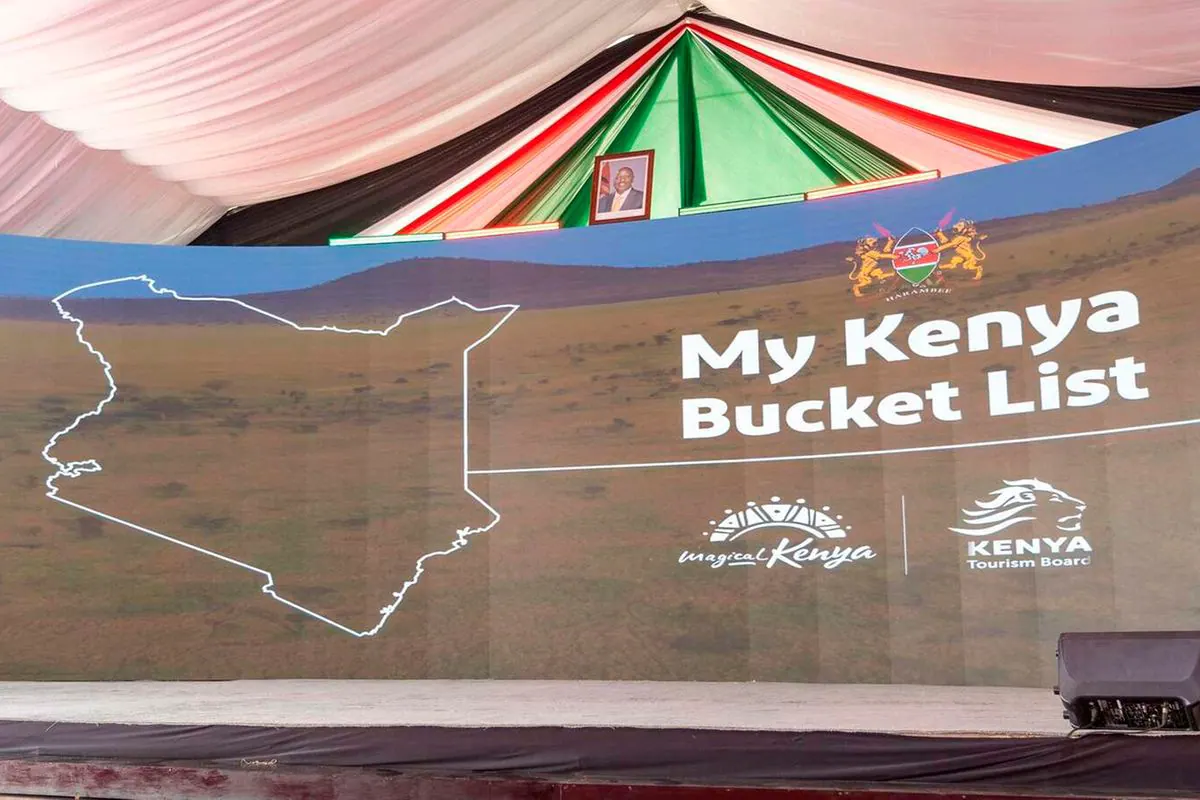
The Kenya Tourism Board, through the Magical Kenya brand, showcased Kenya's destinations through a more inclusive lens. Kenya Wildlife Service opened the gates to Malindi Marine Park, and Accessible Travel Kenya curated the itinerary and facilitated travel. Bamburi Cement facilitated access to Haller Park. This collaborative approach highlighted the importance of intentional design in creating inclusive experiences.
The campaign emphasized the need for brands to move beyond traditional sponsorship models and consider the barriers within an experience. Partners were encouraged to contribute to removing these barriers, rather than just providing funding or visibility. This approach enabled the creators to experience destinations first-hand and document them from their own perspectives.
Authentic storytelling played a crucial role in the campaign, as it can change perceptions and build confidence among people with disabilities. By involving people affected by accessibility issues in designing solutions, organizations can create more inclusive experiences. The campaign highlighted the role of purpose in enabling brands to move beyond what they say about themselves to what people can experience.
The initiative encouraged organizations to examine their ecosystems and identify synergies that can enable them to move from inclusion as a statement of intent to inclusion as a design principle. This involves asking questions about who is participating in the experiences created, who may be excluded, and what barriers stand in the way. By doing so, organizations can build products, services, and experiences that are more inclusive and guarantee long-term growth.
According to Rosalind Gichuru, Group Director, Marketing and Communication at KCB, the collective opportunity is to build economies in which more people can participate. The invitation is for every organization to ask: What would a more inclusive version of our industry look like, and what role can we play in making it possible? By working together, organizations can create a more inclusive tourism sector that benefits everyone.
Key points
- The Kenya Beyond Sight Campaign demonstrated the importance of intentional design in creating inclusive tourism experiences.
- The campaign highlighted the need for brands to move beyond traditional sponsorship models and consider the barriers within an experience.
- Authentic storytelling can change perceptions and build confidence among people with disabilities, enabling them to participate in tourism experiences.