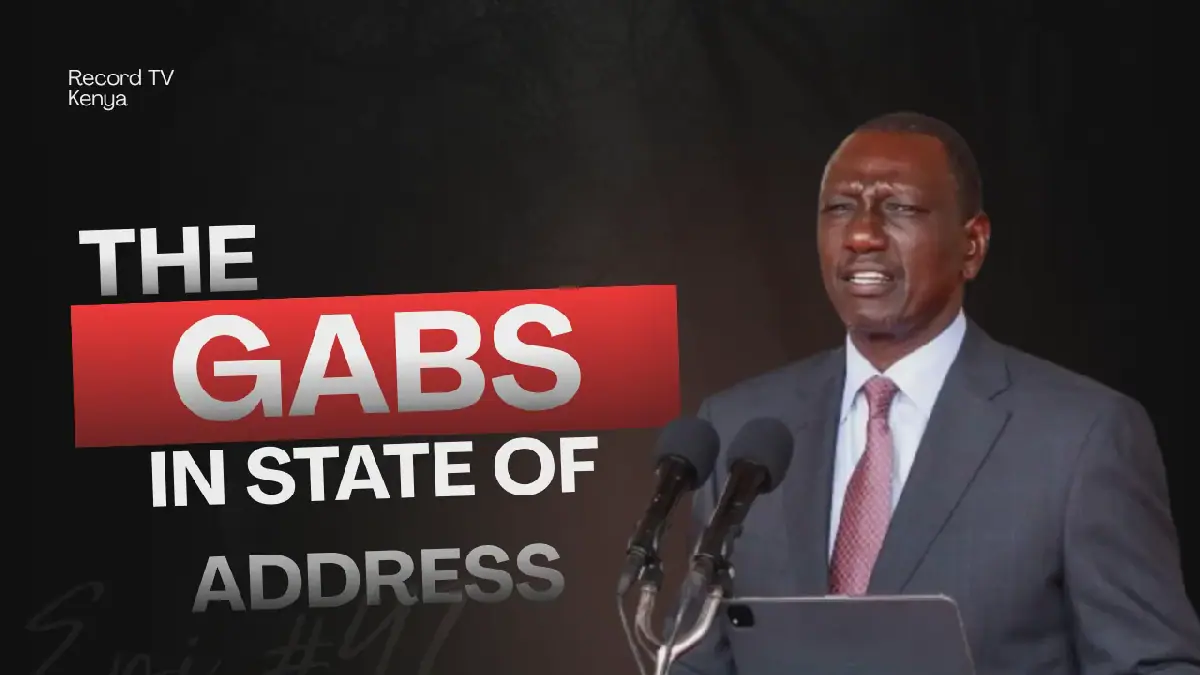
Kenya's President recently delivered the State of the Nation Address, highlighting economic recovery and national transformation. However, the speech has been criticized for not providing a comprehensive picture of the country's progress. Despite claims of macroeconomic stability and economic growth, many Kenyans continue to face high costs of living, with essentials like food, electricity, and healthcare remaining unaffordable for many households.
The Address emphasized the Government's employment initiatives, including youth empowerment programmes and entrepreneurship support. However, critics argue that the speech did not clearly distinguish between opportunities announced and sustainable jobs secured. Unemployment and underemployment remain significant challenges for young people, and addressing these issues requires measurable results, not just programme announcements. The Government's efforts to support youth have been criticized for lacking tangible outcomes.
A major concern raised by critics is the lack of transparency on public debt and debt-servicing obligations. The Address did not provide a comprehensive account of the country's debt, including financing arrangements and contingent liabilities. The sustainability of proposed infrastructure and transformation programmes depends on greater transparency about the costs that may be passed on to future generations. This omission has raised concerns about the Government's commitment to accountability.
The Address also faced criticism for its assessment of healthcare and education. While the Government highlighted figures on enrolment, recruitment, and infrastructure, critics argue that these metrics do not demonstrate effective access, quality of service, or improved outcomes. Concerns about healthcare financing, delayed payments, and teacher shortages remain unresolved. The Government's efforts to improve these sectors have been criticized for lacking concrete results.
Corruption and governance were also addressed in the speech, with the President highlighting institutional reforms and legislation. However, critics argue that the Address did not adequately demonstrate whether these measures have led to successful prosecutions or the recovery of public funds. Reforms should ultimately be judged by how well they protect public resources and uphold accountability. The Government's efforts to combat corruption have been criticized for lacking tangible outcomes.
Infrastructure, housing, and agriculture were also mentioned in the Address, but critics argue that these sectors require assessment against completion rates, affordability, and equitable distribution. Announced projects and initiatives still under implementation should be clearly distinguished from completed, operational interventions. The Government's efforts to improve these sectors have been criticized for lacking transparency and accountability.
Ultimately, the Address has been criticized for not providing a sufficiently comprehensive framework for accountability. A credible assessment of the state of the nation must balance achievements with shortcomings and show, through verifiable evidence, how national progress is improving the welfare, dignity, and economic security of Kenyans. The Government has been called upon to provide a more detailed and transparent account of its progress and challenges.
Key points
- The State of the Nation Address lacked transparency on public debt and debt-servicing obligations.
- The Address did not provide a comprehensive account of employment initiatives and their outcomes.
- The Government's efforts to improve healthcare and education have been criticized for lacking concrete results.
Reporting sources
- Gaps in the State of the Nation Address · Record TV Kenya