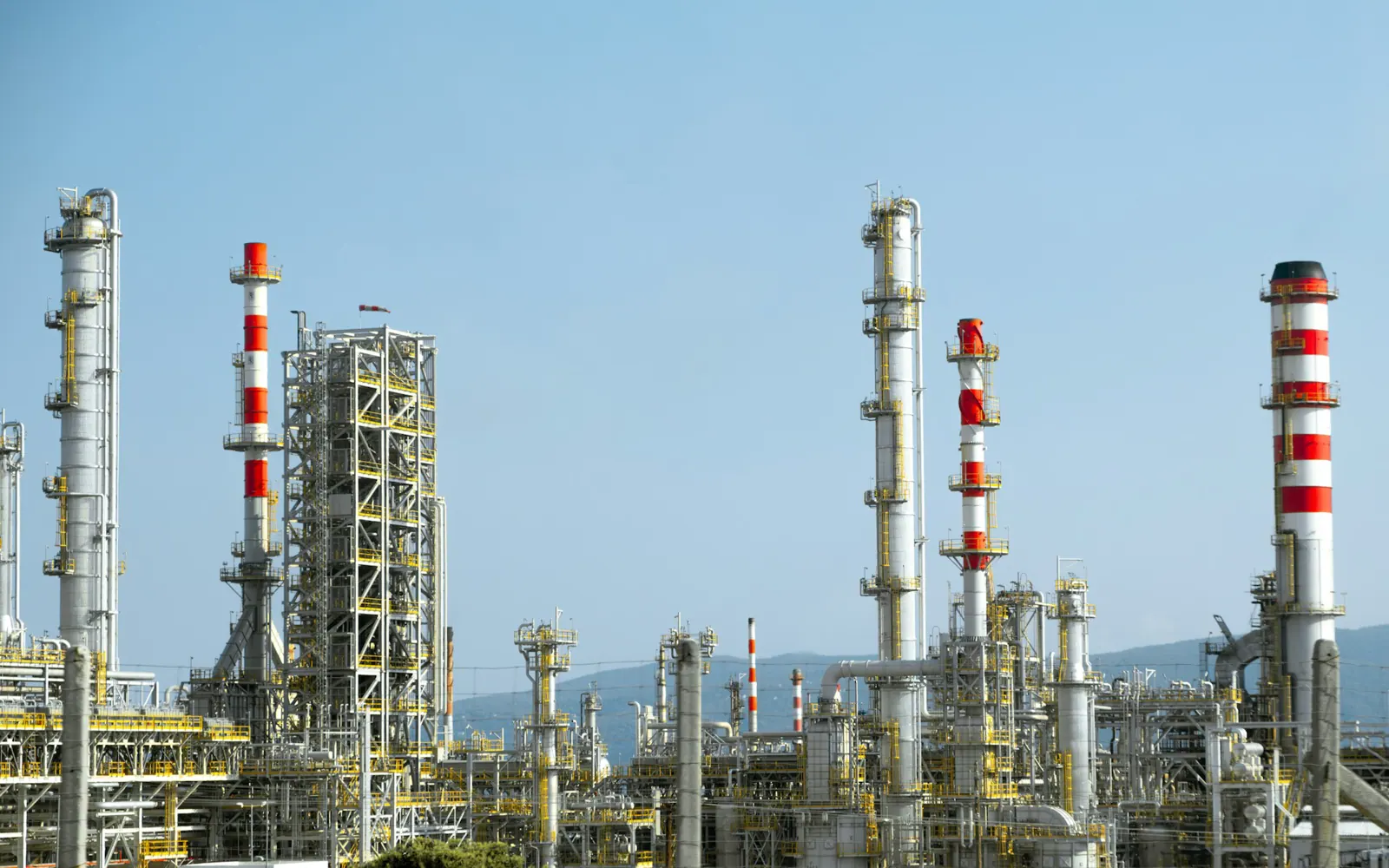
Kenya's previous experience in oil refining, which dates back to the early 1960s, has sparked debate on the necessity of a proposed Dangote-led refinery. The East African Oil Refineries, later known as Kenya Petroleum Refineries Limited, was located in Changamwe, Mombasa, and operated until its decommissioning in 2013. During its operational years, the refinery processed imported Middle-East crude for Kenya and neighbouring countries, establishing a supply chain and technical know-how that remain part of the nation's industrial memory.
The closure of Kenya Petroleum Refineries Limited was attributed to outdated technology, inefficient simple-hydrocarbon cracking, and high operating costs, rather than a lack of technical capability. This has led analysts to argue that modernising a refinery is primarily a matter of capital investment and updated equipment, not an unattainable technological miracle. With the right investment, Kenya can revamp its refining capabilities without relying on foreign entities.
Public debate in Kenya has recently focused on Nigerian billionaire Aliko Dangote's plan to build a crude oil refinery, promoted as a solution to high fuel prices and job creation. However, some observers suggest that a government-owned or state-led joint venture could recapture the benefits of local refining while retaining policy control over pricing and foreign-exchange savings. This approach would enable Kenya to leverage its existing expertise and infrastructure.
Local private sector players with experience in logistics, distribution, and engineering have also been urged to receive comparable regulatory support to develop modular or full-scale refineries. This could foster competition and diversification in the energy sector, ultimately enhancing energy security. By promoting local participation, Kenya can ensure that its refining industry is driven by a range of stakeholders, rather than a single foreign-owned entity.
Experts stress that energy security should rest on competition and diversification rather than reliance on a single foreign-owned megafacility. Even if Dangote proceeds with his plans, Kenya should prioritise the development of its local refining capabilities to ensure a stable and secure energy supply. This approach would also enable the country to retain control over its energy policy and pricing.
Kenya's existing institutional framework provides a solid foundation for the development of a modern refinery. With the right investment and support, local players can upgrade existing infrastructure and leverage their expertise to produce high-quality petroleum products. This would not only enhance energy security but also create jobs and stimulate economic growth.
As Kenya considers its refining options, the government must weigh the benefits and risks of different approaches. While a Dangote-led refinery may offer some benefits, the country should also explore alternative solutions that leverage its existing expertise and infrastructure. By doing so, Kenya can ensure that its energy sector is driven by a range of stakeholders and that its refining industry is modern, efficient, and sustainable.
Key points
- Kenya's previous experience in oil refining provides a solid foundation for modernising its domestic refining capabilities.
- A government-owned or state-led joint venture could recapture the benefits of local refining while retaining policy control over pricing and foreign-exchange savings.
- Energy security should rest on competition and diversification rather than reliance on a single foreign-owned megafacility.