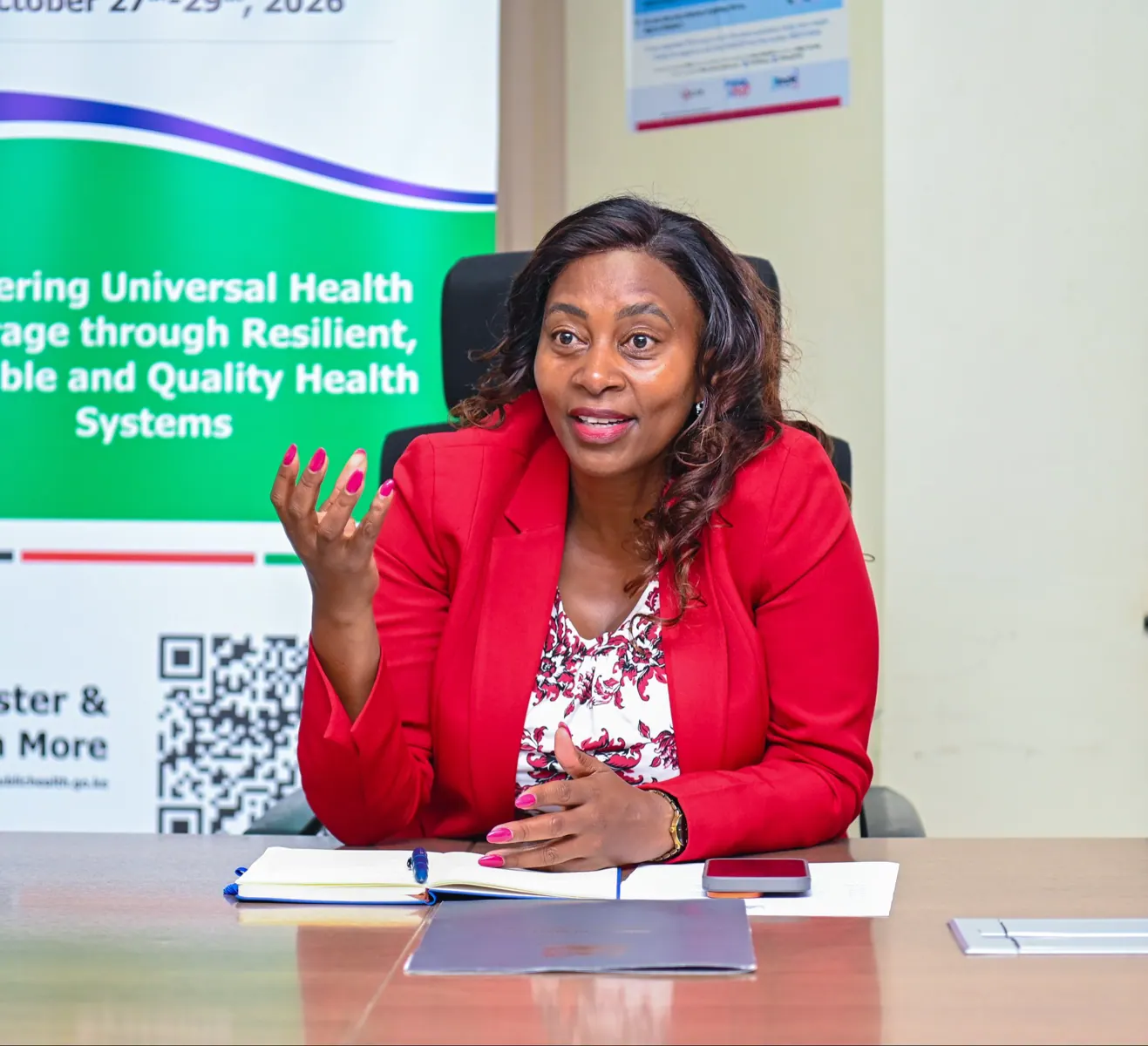
Public health in Kenya is set to take a significant leap forward with the upcoming Kenya Public Health International Conference 2026. The conference, themed "One Health, Shared Future," will bring together national and county governments, public health professionals, researchers, and various stakeholders to discuss the importance of a One Health approach in shaping the country's public health future. This approach recognizes the interconnection between human, animal, and environmental health. The conference will be held in Nairobi from 27-29 October 2026.
The One Health approach is crucial in addressing the complex health challenges facing Kenya and the wider region. Infectious diseases can spread rapidly across counties and national borders, while zoonotic diseases can emerge where people, animals, and ecosystems interact. Antimicrobial resistance is also a growing concern, accelerated by the misuse of medicines across human and animal health. The conference will provide a platform for experts to share knowledge and coordinate action to address these challenges.
Kenya has made significant progress in public health through policy reform, stronger governance, and sustained investment. The implementation of Universal Health Coverage through the Social Health Authority, expansion of primary health-care networks, and the community health strategy are bringing essential services closer to households. The Epuka Uchafu Afya Nyumbani initiative complements these reforms by promoting hygiene, sanitation, and environmental cleanliness at the community level.
The KEPHIC 2026 conference will examine how integrated surveillance, laboratory systems, data sharing, and emergency preparedness can improve the early detection and management of public health threats. Participants will also discuss how climate-resilient health services, safe water and sanitation, responsible waste management, food safety, and environmental protection can reduce preventable illness. Community Health Promoters will play a vital role in these discussions, bringing a household perspective to the table.
The conference will also promote the use of research, data, digital tools, and locally relevant innovation to address public health challenges. Scientific presentations, exhibitions, and innovation sessions will offer opportunities to share solutions for surveillance, service delivery, prevention, and emergency response. The focus will be on approaches that can be implemented, scaled, and sustained within national and county systems.
Noncommunicable diseases will also be part of the conference agenda, with a focus on prevention, early detection, and continuity of care. The importance of quality and regulation in ensuring that health services, medicines, technologies, and professionals meet established standards will also be emphasized. Strong regulatory systems are essential in protecting patients, promoting accountability, and sustaining public confidence.
The value of KEPHIC 2026 will ultimately depend on the actions that follow the conference. Discussions should lead to clear policy recommendations, stronger coordination across sectors, practical commitments, and an accountability framework for implementation. The proposed Kenya and East Africa Public Health Knowledge and Innovation Network can help institutions continue sharing evidence and effective practice after the conference.
Key points
- The Kenya Public Health International Conference 2026 will advance the One Health approach in Kenya.
- The conference will bring together national and county governments, public health professionals, researchers, and various stakeholders.
- The One Health approach recognizes the interconnection between human, animal, and environmental health.