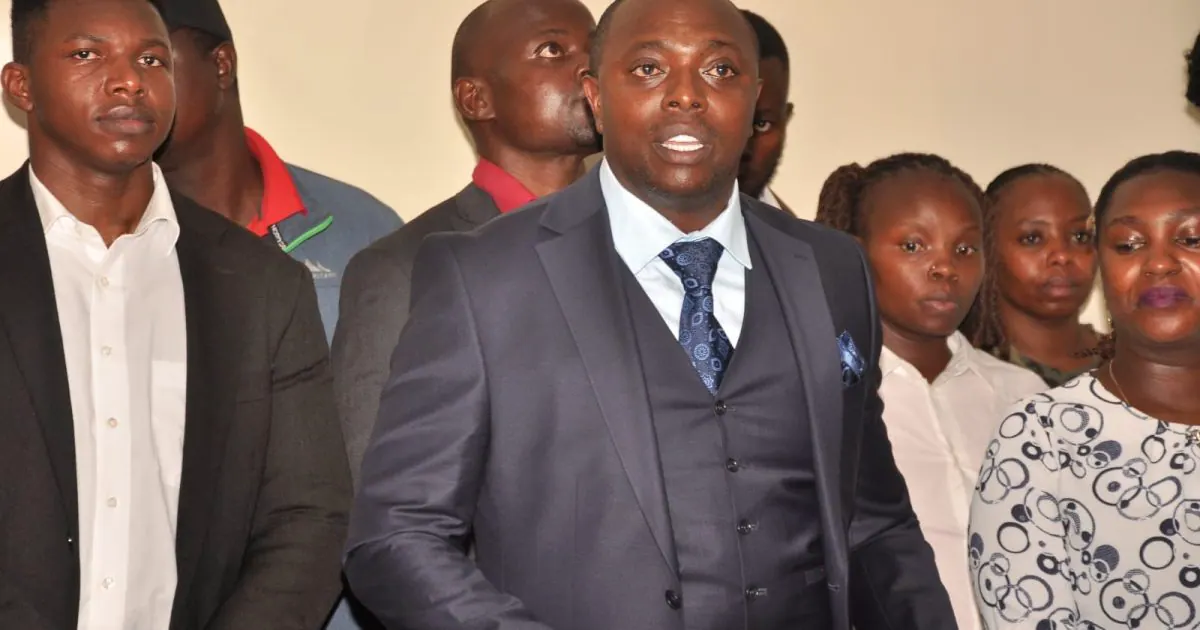
Kenya's President's adviser on development matters, Paul Waiganjo, has resigned from his position, citing structural limitations that hindered his ability to address development challenges. Waiganjo announced his resignation on Friday, September 25, 2026, during a press briefing in Nairobi. He stated that he had tendered his resignation after months of reflection on his role and its ability to address development challenges facing his home county and the country.
Waiganjo was appointed adviser to the President on development matters on May 28, 2026. Initially, he viewed the position as an opportunity to spearhead development programmes, including school construction, hospital upgrades, and job creation. However, after extensive consultations with local stakeholders, he discovered a disconnect between his national role and the challenges experienced by citizens at the grassroots level.
The consultations, which involved local clergy, council elders, professionals, entrepreneurs, and young people, exposed a sobering reality, according to Waiganjo. He cited inadequate resources in hospitals, school dropouts linked to delayed capitation, and the pressure of taxation on businesses as some of the challenges that influenced his decision. These challenges, he argued, were not being adequately addressed due to the limited mandate of his office.
Waiganjo also highlighted infrastructure and agricultural challenges in his home county, Nyandarua. He mentioned that poor roads, unreliable electricity, and inadequate industrial infrastructure had limited the region's economic potential. Specifically, he noted that poor transport infrastructure had contributed to post-harvest losses of between 30 and 40 per cent, forcing farmers to sell perishable produce at low prices.
The adviser emphasized that Nyandarua has significant agricultural potential, including large-scale production of Irish potatoes and milk. However, he argued that more investment in infrastructure was necessary to translate these resources into sustainable economic growth. Waiganjo stressed that true leadership involves a commitment to the common good and that public office should be used to serve citizens and promote equitable development.
Following his resignation, Waiganjo expressed his intention to align himself with the growing national demand for social and economic change, accountability, equity, and justice. He stated that he would step away from government and work alongside citizens in pursuit of constitutional rights and improved livelihoods. Waiganjo remained committed to development and promised to pursue a clear and actionable plan for the restoration of the country.
Waiganjo concluded by calling for unity in addressing economic challenges, emphasizing the need for the country to work towards equity, justice, and economic freedom. He expressed gratitude to residents of his home constituency for their support, which had initially influenced his decision to accept the government appointment.
Key points
- Paul Waiganjo resigned as President's adviser on development matters due to structural limitations that hindered his ability to address development challenges.
- Waiganjo cited a disconnect between his national role and the challenges experienced by citizens at the grassroots level as a major factor in his resignation.
- He expressed his intention to work alongside citizens in pursuit of constitutional rights and improved livelihoods, and to pursue a clear and actionable plan for the restoration of the country.