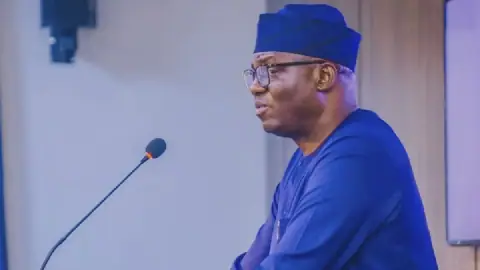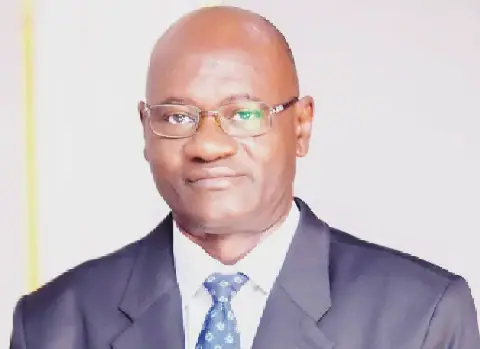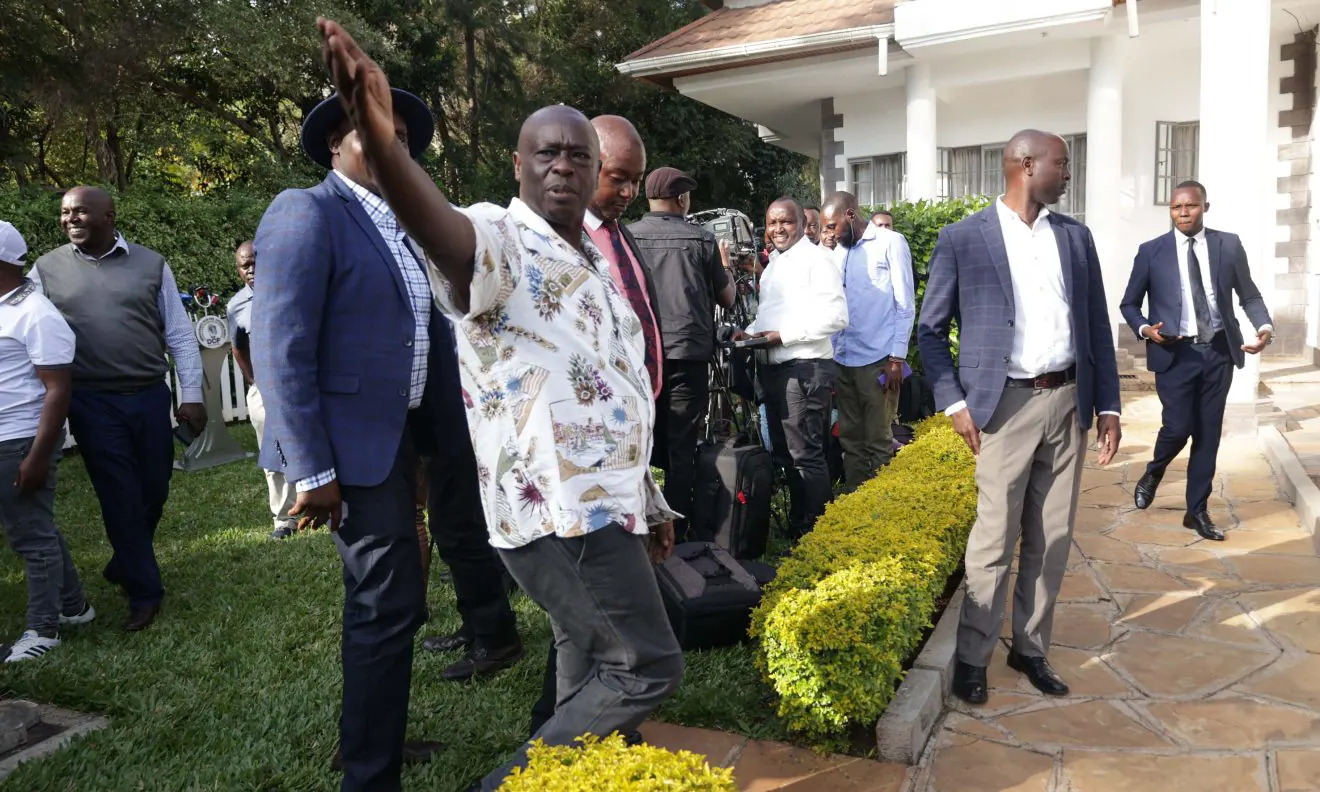
The debate about Kenya's 2027 general election has taken a new turn with statements from politicians suggesting a possible alliance between former Deputy President Rigathi Gachagua and Senator Edwin Sifuna. This potential collaboration has sparked mixed reactions, with some viewing it as a strategy to challenge President William Ruto, while others see it as a source of new divisions within the opposition. Former Senator Gloria Orwoba recently stated that Kenyans should not rule out the possibility of Gachagua and Sifuna joining forces for the presidential ticket in 2027.
Orwoba described Sifuna as a leader who could be a strong contender for the presidency, noting that he is not an ordinary politician but one with significant potential. This statement has added weight to the ongoing debate about Sifuna's role in national politics as the election approaches. Sifuna, associated with the Linda Mwananchi movement, has been gaining prominence and positioning himself as a new political force towards 2027. However, one of the challenges has been determining which political party he will use for his ambitions.
Orwoba claimed that Sifuna already has a party but is seeking to rebrand it to attract more followers. Within the Linda Mwananchi movement, discussions about the party are ongoing, but Orwoba believes that the party's symbol will not be a major factor for voters. Instead, Kenyans will focus more on the candidate. This statement has sparked a broader debate about the possibility of a Gachagua-Sifuna ticket. For the first time, opposition leaders have begun openly discussing the potential for these two to collaborate in the presidential race.
What makes this debate unique is that Gachagua himself has publicly stated that he is willing to be Sifuna's running mate if opposition leaders agree that Sifuna is the best candidate to lead the coalition. He has also mentioned the possibility of the reverse arrangement, with him leading the ticket and Sifuna as his running mate. These statements have elicited mixed reactions within the opposition. Some believe that an alliance between a highly influential politician from the Mount Kenya region and a leader who appeals to young people and urban dwellers could change the country's political landscape.
However, others warn that this move could create new conflicts over who is best suited to lead the opposition. Former Kakamega Senator Cleophas Malala is a key proponent of the alliance, arguing that combining Gachagua and Sifuna's strengths will create a strong team capable of providing significant competition to President Ruto. Malala believes that uniting the Mount Kenya, Western, and Maa communities could create a large voter base. He has announced plans to launch the "Triple M" movement aimed at bringing together people from these regions.
Despite the optimism about the potential alliance, Kenya's opposition politics remains in a state of negotiation. The Democracy for the Citizens Party (DCP) has made it clear that it will not currently join the Azimio La Umoja coalition. Instead, it intends to collaborate with the Linda Mwananchi movement before engaging in discussions about forming a broader opposition alliance. This stance indicates that there are still strategic differences between various groups aiming to challenge President Ruto in 2027.
For now, the Gachagua-Sifuna ticket remains a speculative idea rather than a formal agreement. However, statements from Orwoba, Malala, and Gachagua himself have made it one of the most intriguing topics in 2027 politics. If this political partnership is formalized, it could strengthen the opposition or create new tensions, especially given that Gachagua was previously part of an opposition coalition that included Kalonzo Musyoka, Martha Karua, and others who appeared to unite against President Ruto.
Key points
- A possible alliance between Rigathi Gachagua and Edwin Sifuna for the 2027 presidential election has sparked debate within Kenya's opposition.
- The collaboration could change the country's political landscape by combining the strengths of a Mount Kenya leader with those of a leader popular among young people and urban dwellers.
- However, the alliance also risks creating new divisions within the opposition over who should lead the coalition.