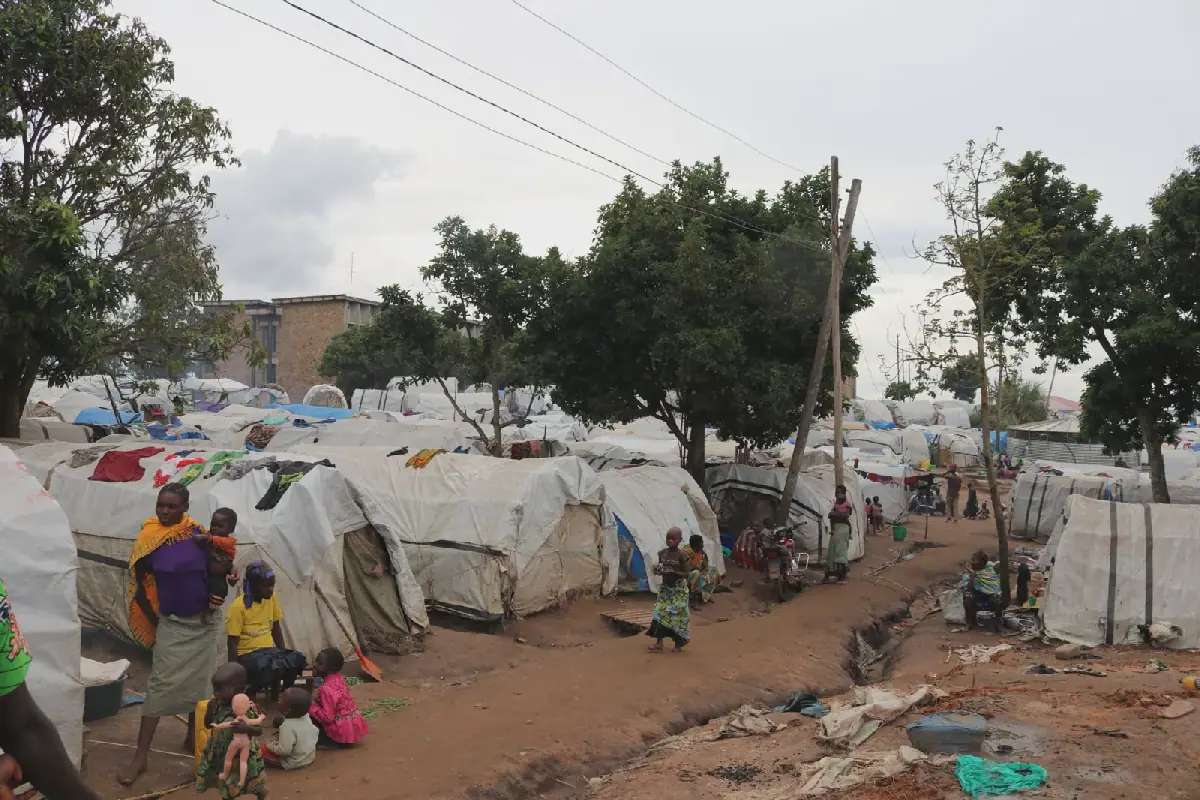
A surge of refugees has poured into Kenya's Moyale town, with approximately 50,000 Ethiopians seeking shelter in local schools and churches. The influx, which began in late October, is expected to grow, with estimates suggesting up to 80,000 people may soon arrive. The refugees are fleeing a conflict between Ethiopia's Oromia and Somali regional governments, which has spilled across the border into Kenya. United Nations High Commissioner for Refugees (UNHCR) and Kenya Red Cross staff have been distributing coded wristbands to the new arrivals.
The conflict in Ethiopia's Oromia and Somali regions centers on a long-standing dispute over land and territorial control. Tensions escalated in mid-October when Somali regional officials opened a new office in a district claimed by Oromia, prompting a violent response. The situation has deteriorated, with heavy weapons use reported and a 13-year-old girl killed. This is not the first time the border region has experienced violence; clashes in 2017 displaced hundreds of thousands of people.
The Ethiopian federal system, which allocates territory based on ethnic identity, has contributed to the tensions. Mixed towns like Moyale are often at the center of disputes over territorial control. With the federal army heavily committed to the conflict in northern Ethiopia, regional forces are being left to manage the situation in the south. This has resulted in a significant escalation of violence, with implications for neighboring Kenya.
The conflict has already had an impact on Kenya, with stray bullets reported to have landed on the Kenyan side of the border. Kenya Defence Forces teams have discovered and destroyed several grenades, and a woman in Kenyan Moyale has been killed by what appears to have been a stray bullet. Kenya's acting Commissioner for Refugee Affairs, Mercy Mwasaru, has described the situation as a national security concern.
Kenya's response to the crisis has been cautious, with the government choosing not to comment on the situation. However, the country has a history of intervening in regional conflicts when it perceives its interests to be at stake. In 2011, Kenya sent troops into Somalia, where they remain to this day. The government has hosted talks between rival factions in the past, but its current approach to the Ethiopian conflict is one of restraint.
The humanitarian situation in Moyale is becoming increasingly challenging, with thousands of refugees arriving every day. The Kenyan government and its humanitarian partners are working to provide assistance, but the numbers are overwhelming. The situation has implications for regional stability, particularly if the conflict in Ethiopia were to spread or escalate further.
As the situation continues to unfold, Kenya will face difficult choices about its role in the region. With a potential war between Ethiopia and Eritrea looming, the numbers of refugees arriving in Moyale could increase dramatically. The Kenyan government will need to balance its concerns about national security with its obligations to provide humanitarian assistance to those in need.
Key points
- Up to 80,000 Ethiopians may soon arrive in Kenya's Moyale town, fleeing regional conflict.
- The conflict in Ethiopia's Oromia and Somali regions has spilled across the border into Kenya, with reports of stray bullets and grenades.
- Kenya's response to the crisis has been cautious, but the government will face difficult choices about its role in the region as the situation continues to unfold.
Reporting sources
- Moyale and the Limits of Kenya’s Silence on Ethiopia · African Arguments