A fever in Garissa or Mombasa often raises suspicion of malaria, but when tests come back negative, another mosquito-borne infection may be responsible: dengue. The Ministry of Health reported 1,678 dengue cases in Garissa and Wajir in August 2026, including five suspected deaths in Garissa. This outbreak exposed pressure on health facilities, particularly where diagnostic capacity is limited.
A study published in BMC Infectious Diseases in January 2026 detected dengue in four of 326 patients in Garissa and 26 of 289 in Mombasa who had tested negative for malaria. The findings highlight infections that malaria-focused diagnosis can miss. Climate change adds another layer to this public-health challenge, affecting mosquito development, virus replication, and breeding conditions.
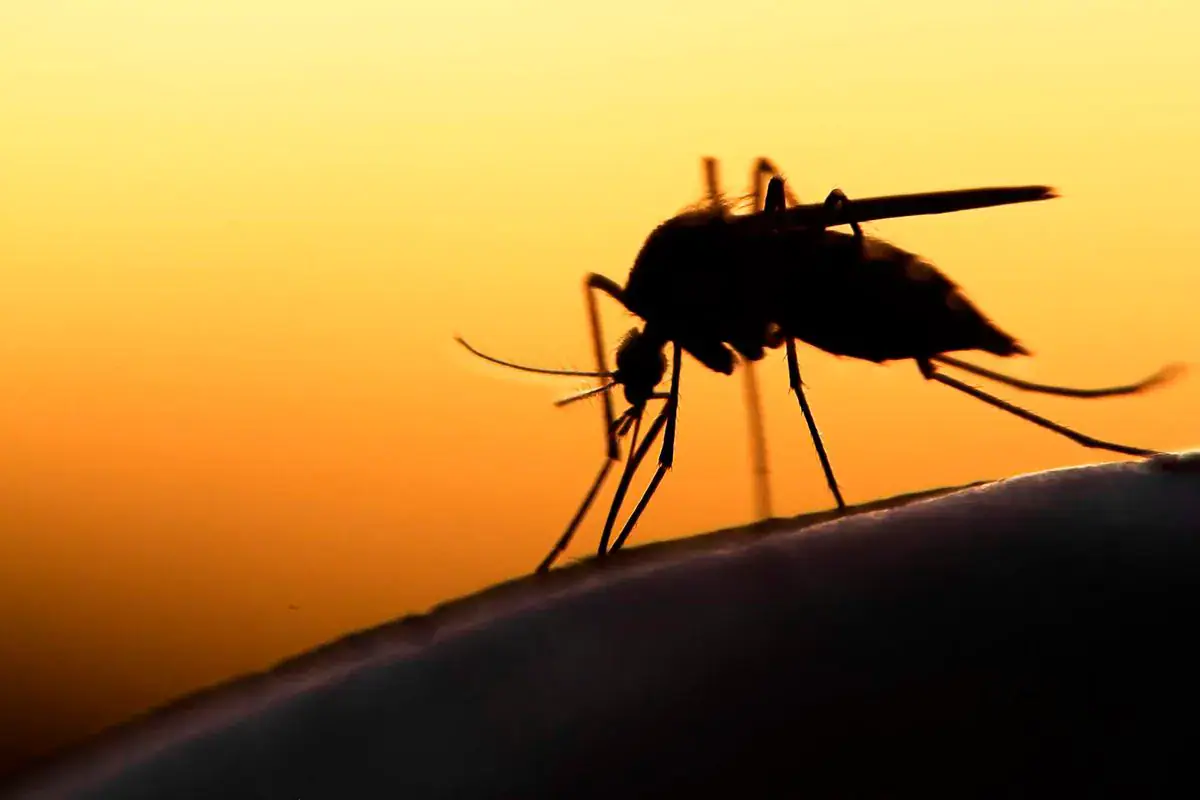
Temperature, rainfall, and humidity influence the survival and breeding of Aedes aegypti, the mosquito that transmits dengue. The mosquito commonly breeds in water collected in containers, tyres, and household objects. Heavy rain can create breeding sites, while water scarcity can encourage households to store water in uncovered containers, increasing the risk of dengue transmission.
The Climate Change and Health Strategy 2024–2029 in the Ministry of Health identifies vector-borne diseases as climate-sensitive health threats requiring stronger preparedness. Research from the KEMRI-Wellcome Trust Research Programme provides a national perspective on the potential distribution of Aedes aegypti across Kenya. The study used environmental and population data to model mosquito occurrence.
The analysis identified high probabilities of mosquito occurrence along the coast, in north-eastern and western Kenya, and in urban centres. Population density and daytime and nighttime land-surface temperatures were among the strongest predictors. These findings provide a scientific basis for targeting mosquito surveillance beyond familiar dengue hotspots.
The implications of this research are significant, as dengue can resemble malaria and without proper testing, patients may receive the wrong diagnosis, while outbreaks remain undetected. The cost extends beyond treatment to lost working days, pressure on health facilities, and disruption to household livelihoods. Kenya needs stronger mosquito surveillance, accessible dengue testing, and routine reporting beyond known hotspots.
County health teams should work with meteorological services to identify weather patterns that may signal increased risk. Climate adaptation must include public-health preparedness. Kenya's ability to anticipate where dengue may emerge will depend on whether research, climate information, and disease surveillance are brought together before the next outbreak.
Key points
- Climate change increases the risk of dengue transmission in Kenya by altering temperature, rainfall, and humidity patterns.
- A study detected dengue in patients who had tested negative for malaria in Garissa and Mombasa, highlighting the need for stronger mosquito surveillance.
- Kenya needs to integrate research, climate information, and disease surveillance to anticipate and prepare for dengue outbreaks.
Reporting sources
- Climate changes, dengue moves: Is Kenya’s mosquito map expanding? · Business Daily Africa