The Judiciary in Kenya is facing a significant funding gap of Sh20.4 billion as it prepares for the 2027 General Election. This shortfall could compromise its ability to handle election-related disputes and address the existing backlog of cases. The Judiciary has requested a budget of Sh50.7 billion for the 2027/28 financial year, but the Treasury has only allocated Sh30.4 billion, leaving a 40.2 percent funding gap.
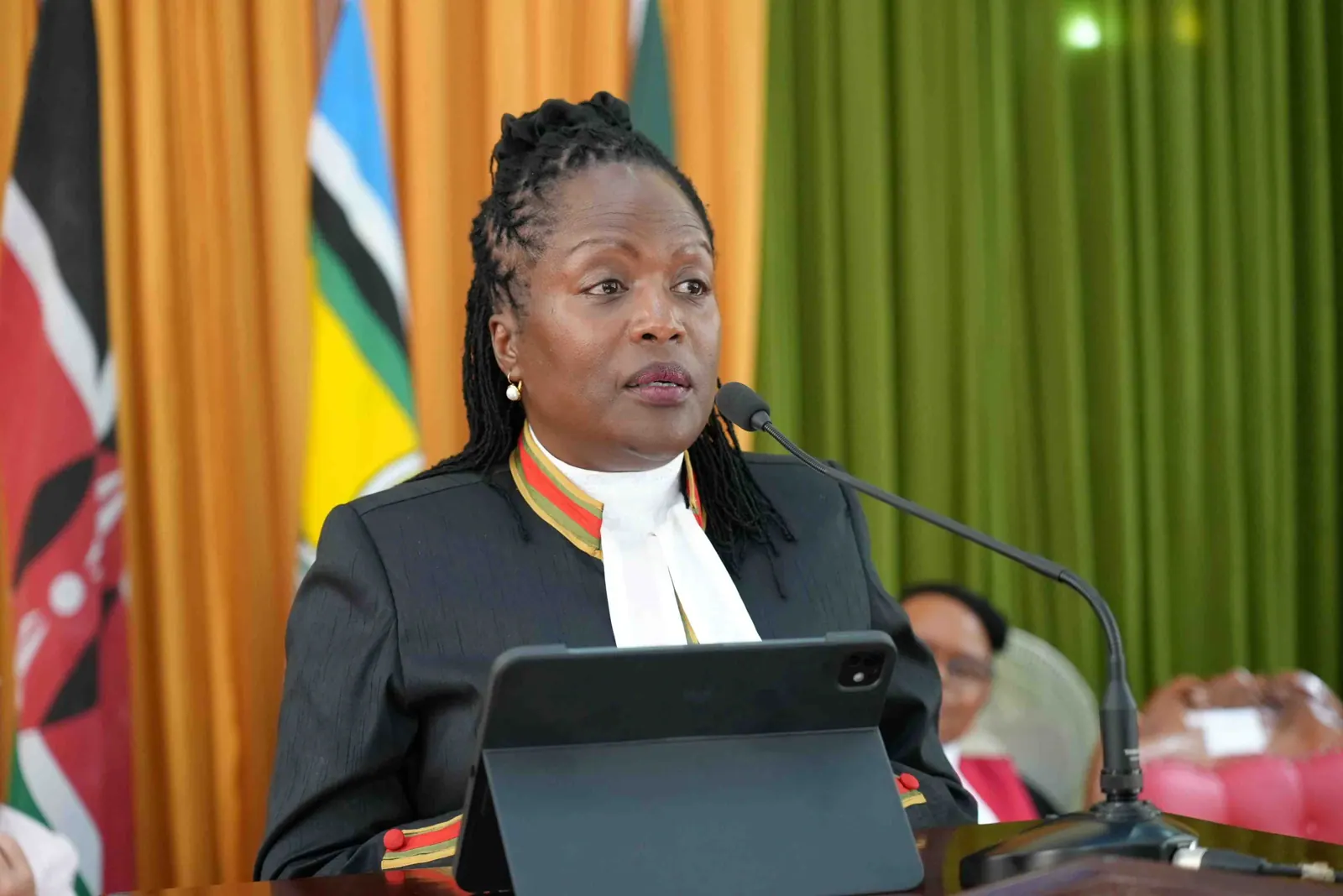
Chief Registrar Winfridah Mokaya emphasized that adequate funding is crucial for the timely and accessible delivery of justice. She noted that public hearings, such as the one held in Kajiado, allow the Judiciary to align its plans with the needs of court users. The Judiciary's budget request includes Sh46.2 billion for recurrent costs and Sh4.5 billion for development projects. Additionally, the Judicial Service Commission (JSC) is seeking Sh1.833 billion, but only Sh1.038 billion has been allocated, creating an additional funding gap of Sh795 million.
Despite the funding challenges, the Judiciary has made progress in expanding its physical presence and improving its capacity. Last year, it operationalized courts in Yala, Khwisero, Nyakach, and Chepkemel, and plans to establish nine new courts this year. The Judiciary has also opened two new Court of Appeal stations in Kakamega and Meru, increasing its presence across the country. Furthermore, the number of Magistrates' Courts has risen from 143 to 148, and Small Claims Courts have increased from 40 to 55.
The Judiciary has also made significant strides in staffing, with the JSC recruiting 1,182 judicial staff, 124 magistrates, and 53 judges over the past year. These appointments have been made across various courts, including the Supreme, Appeal, High, and Environment and Land courts. According to Mokaya, these efforts aim to enhance the Judiciary's capacity to deliver justice efficiently and effectively.
In the 2025/26 financial year, the Judiciary reported a significant achievement in case clearance, with 576,162 cases cleared against 561,580 new filings, resulting in a 103 percent clearance rate. Director of Finance Beatrice Kamau warned that despite this progress, demand for judicial services continues to outstrip resources. She emphasized that additional funding would support critical initiatives, including technology upgrades, new court operationalization, cybersecurity, and workforce expansion.
The Judiciary's funding gap has significant implications for its ability to handle the anticipated surge in election-related disputes during the 2027 General Election. Mokaya stressed that the Judiciary's capacity to resolve these disputes efficiently and effectively will depend on the availability of adequate resources. The Judiciary's proposed budget for the 2027/28 financial year aims to address these challenges, but the Treasury's allocation has left a substantial funding gap.
The Judiciary's situation highlights the critical need for adequate funding to ensure the effective functioning of Kenya's justice system. As the 2027 General Election approaches, the Judiciary's ability to handle election-related disputes and address case backlogs will depend on the availability of sufficient resources. The Treasury's allocation of Sh30.4 billion, which is 40.2 percent less than the Judiciary's request, poses significant challenges to the Judiciary's operations and effectiveness.
Key points
- The Judiciary faces a Sh20.4 billion funding gap ahead of the 2027 General Election.
- The funding gap could strain the Judiciary's capacity to handle election disputes and ongoing case backlogs.
- The Judiciary has made progress in expanding its physical presence and improving its capacity despite funding challenges.