Kenya is facing a significant challenge in the form of illicit trade, with counterfeit goods costing the economy an estimated Sh153 billion annually. The Anti-Counterfeit Authority (ACA) has identified health, agriculture, electronics, and automotive products as the sectors most affected by counterfeiting. This substantial loss is equivalent to a significant portion of the country's budget allocations for critical sectors.
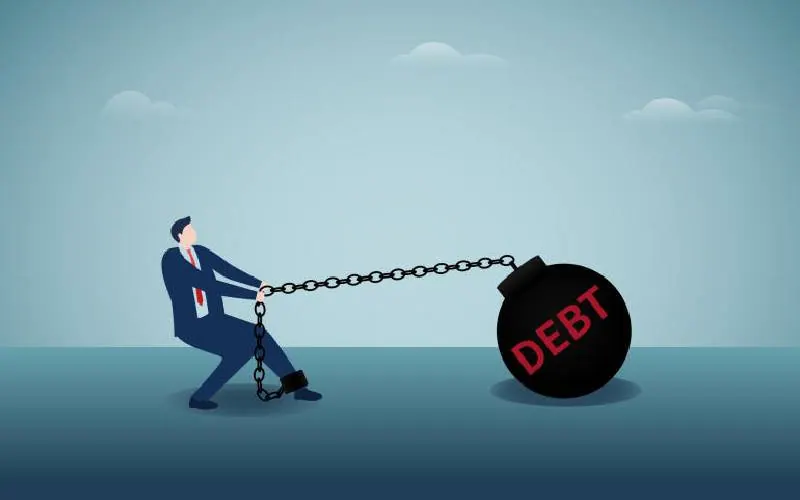
The impact of counterfeit trade on Kenya's economy is multifaceted. According to the ACA, the country's public debt stood at Sh12.32 trillion as of March this year, while debt service in the 2024/25 financial year amounted to Sh1.72 trillion. The loss of revenue due to counterfeiting exacerbates the country's reliance on borrowing to finance its needs. Every day, the debate centers on where the next billion will come from, but another crucial question is how much value is leaking out of the economy.
The issue of counterfeit trade is not limited to economic implications; it also has severe consequences for public health. The Pharmacy and Poisons Board recorded 1,413 product quality complaints, coordinated 99 recalls, and issued 18 public alerts on suspected falsified medicines between 2021 and 2025. Since January 2025, the board has undertaken another 58 recalls and issued 14 rapid alerts. More than 200 non-compliant pharmaceutical premises have been closed, but concerns remain about the safety of products entering homes, hospitals, cars, businesses, and farms.
The government has acknowledged the severity of the issue and is responding through a multisectoral approach, including addressing legal and enforcement gaps. Investments, Trade and Industry Cabinet Secretary Lee Kinyanjui has stated that illicit trade denies government revenue, hurts legitimate businesses, and can ultimately force companies to close. A counterfeit product not only harms the company whose brand has been copied but also distorts the entire market.
The consumer plays a significant role in perpetuating the counterfeit trade. The ACA says affordability and ease of access are major drivers of counterfeit purchases, with some consumers knowingly buying fakes because they are cheaper. The economics behind this decision cannot be ignored, as people are under financial pressure, businesses are trying to survive, and families are looking for ways to stretch every shilling.
The fight against illicit trade requires a collaborative effort from all stakeholders. It cannot be left to enforcement agencies alone. Making legitimate products easier to identify and, where possible, more accessible and affordable is crucial. The experience of countries that have treated counterfeiting as more than an occasional crackdown can provide valuable lessons for Kenya.
The health implications of illicit trade, particularly in the pharmaceutical sector, are dire. Kenya's State of National Security report links illicit alcohol to deaths, blindness, and other illnesses, while the Ministry of Health says falsified and substandard medical products can contribute to treatment failure and preventable deaths. Ultimately, the issue of counterfeit trade is not just about economic loss but also about human lives and well-being.
Key points
- - Kenya loses Sh153 billion annually to counterfeit trade. - The health, agriculture, electronics, and automotive sectors are the most affected by counterfeiting. - The government is responding to the issue through a multisectoral approach, including addressing legal and enforcement gaps.