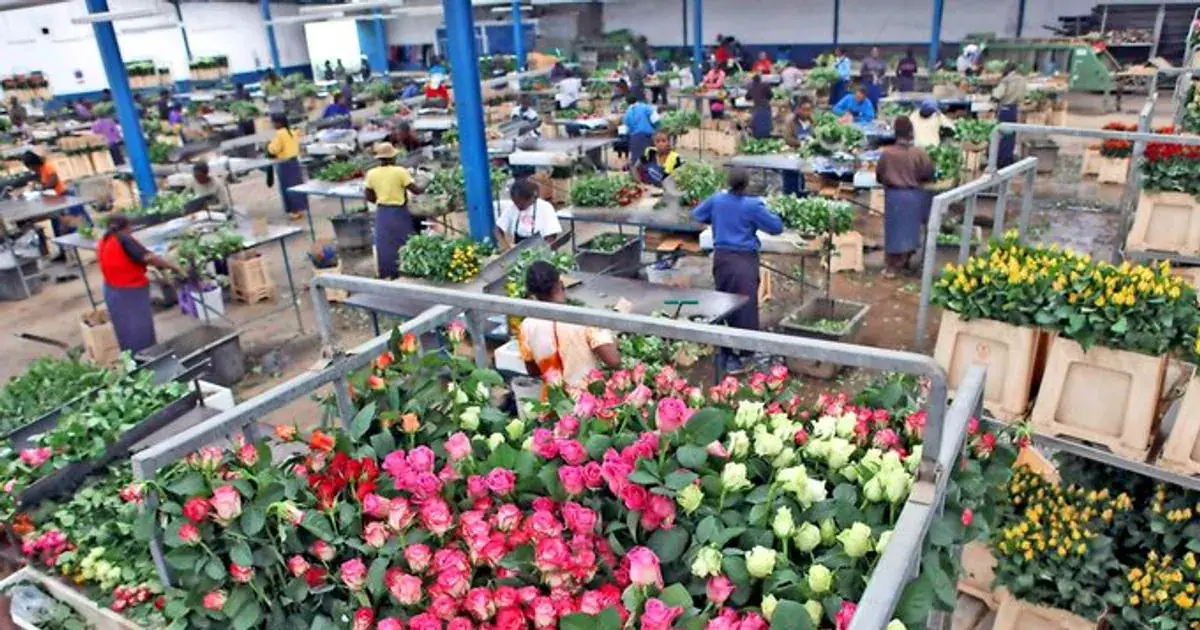
Kenya's horticultural export sector is facing a new financial hurdle as the government proposes a 0.25% levy on all outbound shipments of fruits, vegetables, flowers, and avocado crude oil. The levy aims to promote, develop, and regulate the industry, ensuring local growers and dealers comply with international benchmarks on food safety and product quality. The proposed rules target key agricultural foreign exchange earners, including avocados, mangoes, pineapples, French beans, and snow peas.
The new charge will be calculated against the customs value of exported commodities, potentially driving up export prices for Kenyan produce in major overseas markets like the Netherlands, the UK, and France. Industry players warn that the added cost could threaten the global competitiveness of Kenyan produce. Exporters point out that even fractional percentage increases can compound rapidly across high-volume trade networks, potentially forcing suppliers to absorb the costs or pass them onto international buyers.
The proposed rules are part of a broader government strategy to overhaul agricultural supply chains through enhanced oversight. Proponents argue that tighter administrative controls are necessary to satisfy rigorous European Union and international market requirements regarding environmental compliance, chemical residue tracking, and end-to-end food traceability. The government aims to crack down on informal trading, mandate formal contract farming, and enforce strict standardization across packaging, grading, and cold-chain storage facilities.
A senior trade ministry official emphasized the need for high-quality standards to protect Kenya's reputation in premium international markets. The government believes that the levy will help ensure that every single consignment leaving the country's borders meets the highest quality standards. However, exporters remain anxious about the cumulative weight of local taxes, compliance fees, and logistics bottlenecks.
Industry stakeholders have continuously advocated for a more conducive business environment that fosters growth rather than imposing extra financial friction. The proposed levy is expected to affect some of Kenya's top agricultural foreign exchange earners, including cut flowers destined for key hubs like the Netherlands, the United Kingdom, and France. Exporters warn that the added cost could weaken their price competitiveness against rival agricultural exporters globally.
The horticultural export sector is a significant contributor to Kenya's economy, and the proposed levy has raised concerns among industry players. A representative from a prominent horticulture export association noted that any additional layer of cost introduced at the port or clearance stage shrinks profit margins and weakens price competitiveness. The government aims to balance the need for regulation with the need to support the growth of the industry.
The proposed rules are currently under consideration, and stakeholders are engaged in discussions with the government. The outcome of these discussions will determine the final implementation of the proposed levy and its impact on Kenya's horticultural export sector. The sector's growth and competitiveness will depend on the government's ability to balance regulatory requirements with the need to support industry players.
Key points
- The proposed 0.25% levy on horticultural exports aims to regulate the industry and ensure compliance with international benchmarks on food safety and product quality.