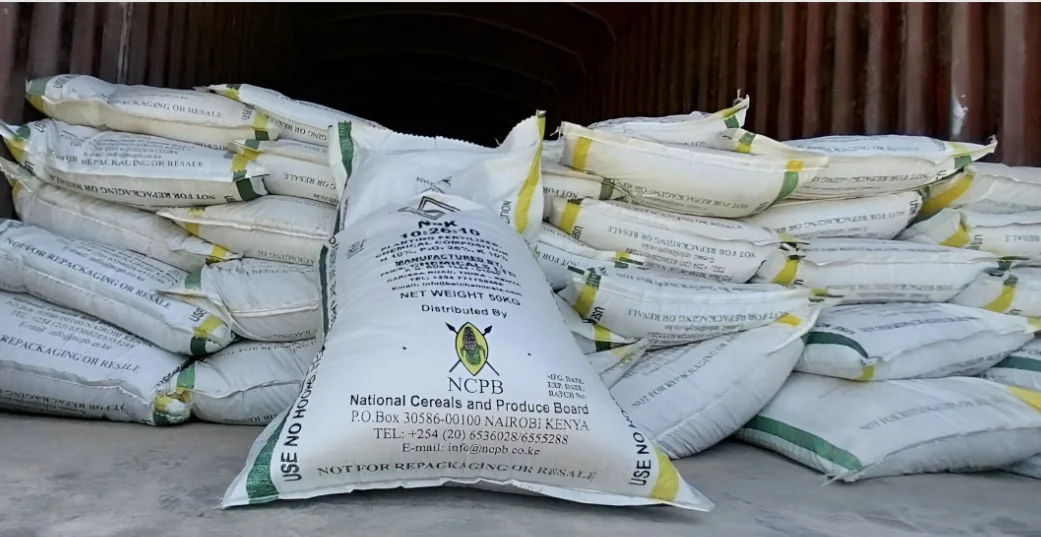
Kenya's High Court has ruled that the government acted unlawfully in the National Fertiliser Subsidy Programme by failing to set up the statutory Fertiliser and Animal Foodstuffs Board and selling inferior NPK fertilizer products. The court found that the government's actions breached constitutional provisions and farmers' rights to reasonable quality goods and necessary information. The case was brought by the Law Society of Kenya after complaints in March 2024 about substandard or counterfeit fertilizer supplied under the subsidy programme.
The court heard that the Kenya Bureau of Standards inspected the manufacturer's plant and tested samples of Kelgreen-branded NPK fertilizer, finding non-compliance with KS EAS 912:2019 for nitrogen, phosphorus, moisture, and copper content. As a result, KEBS suspended the manufacturer's standardization permits and ordered a halt to production and distribution of the affected products. The judge, Justice Gregory Mutai, ruled that the NPK fertilizer sold to farmers did not match its declared composition and failed to meet quality standards.
The Law Society of Kenya had filed the case following complaints from farmers who received substandard fertilizer under the subsidy programme. The court noted that prior investigations had already led to six charges, including against the former Managing Director of the National Cereals and Produce Board. However, Justice Mutai declined to hold individual officials personally liable or deem them unfit for office, as they were not sued in personal capacities.
The court refused to declare that Parliament's Select Committee erred in rejecting allegations against the former Cabinet Secretary, as the committee was not a party to the suit. Requests for the Directorate of Criminal Investigations and the Office of the Director of Public Prosecutions to prosecute all involved were denied. The Law Society's claim for compensation for all affected farmers was rejected because the plaintiffs had not identified the farmers or quantified losses.
The government has announced plans to replace fertilizer for farmers who had not used the substandard product and to provide equivalent top-dressing for those who had, while allowing individual claims for unrecovered losses. The court ordered each party to bear its own costs and did not halt the fertilizer subsidy programme. The ruling is a significant development in ensuring that farmers receive high-quality products and that the government is held accountable for its actions.
The case highlights the importance of quality control and regulation in the agricultural sector. The Kenya Bureau of Standards plays a critical role in ensuring that products meet national standards, and the court ruling reinforces the need for strict adherence to these standards. The government's response to the court's decision will be closely watched, particularly in terms of how it will implement measures to support affected farmers.
The court's decision is a significant victory for the Law Society of Kenya and farmers who received substandard fertilizer. The ruling underscores the importance of upholding the constitution and protecting farmers' rights. The government must now take steps to implement the court's orders and ensure that farmers receive the support they need. The case has significant implications for the agricultural sector and the government's accountability to its citizens.
Key points
- The Kenyan government breached the constitution by selling substandard fertilizer under the National Fertiliser Subsidy Programme.
- The court ruled that the government failed to set up the statutory Fertiliser and Animal Foodstuffs Board and sold inferior NPK fertilizer products.
- The government plans to replace fertilizer for affected farmers and provide equivalent top-dressing for those who used the substandard product.