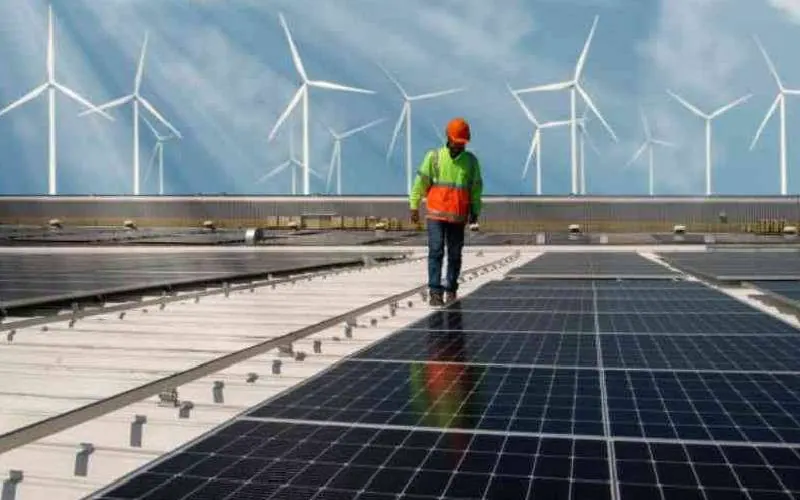
Kenya's energy transition plan, launched in 2024, aims to achieve Net Zero by 2050 and maintain a largely renewable power grid. The plan is not only an environmental goal but also a catalyst for economic growth. However, financing the transition remains a significant challenge. The country needs to design a practical financing architecture that attracts private investment and reaches communities.
The shift from voluntary action to mandatory corporate sustainability and climate-related accountability is changing the conversation on clean energy financing. By July 2028, the cost of inaction will move from reputational risk to financial consequence. This shift presents an opportunity to unlock new pools of funding for green growth. Kenya's fiscal strategy must crowd in private capital through instruments such as the National Infrastructure Fund and public-private partnerships.
The success of Kenya's energy transition will be measured by its impact on small-scale farmers and communities. Access to solar-powered water pumps, clean energy equipment, and climate-smart agriculture will be critical. Small-scale finance, SACCOs, and corporate social investment will play a vital role in bridging the gap between macro policy and household-level resilience.
The Safaricom Foundation's Wezesha Agri programme is a practical example of community-level intervention. The programme has established demonstration hubs in Kajiado County and Busia County, training and equipping youth and farmers with green technologies. These interventions help address information, data, and market-access gaps that hinder small-scale producers from becoming commercially viable.
To scale up decentralised clean energy initiatives, Kenya needs to connect these models to larger pools of concessional and blended climate finance. Saccos, community-based lenders, and cooperatives can serve as distribution channels for green credit lines. Over time, grouped portfolios of small borrowers can be aggregated into institutional green finance instruments.
However, climate risks and socio-economic pressures remain significant barriers to scaling decentralised clean energy initiatives. Financing models must be designed around the realities of communities, blending affordability, technical support, market access, and risk protection. Clean technology must be embedded in ecosystems that help users generate income, manage risk, and build resilience.
As wealthy nations are pressed to honour climate finance commitments to developing economies, countries like Kenya must be ready to show how those resources will flow into national budgets, private-sector pipelines, and community-level implementation. Kenya's transition will require large infrastructure, progressive regulation, and credible public finance, as well as trust, partnership, and local delivery.
Key points
- Kenya's energy transition plan aims to achieve Net Zero by 2050.
- The country needs to design a practical financing architecture that attracts private investment and reaches communities.
- Small-scale finance, SACCOs, and corporate social investment will play a vital role in bridging the gap between macro policy and household-level resilience.