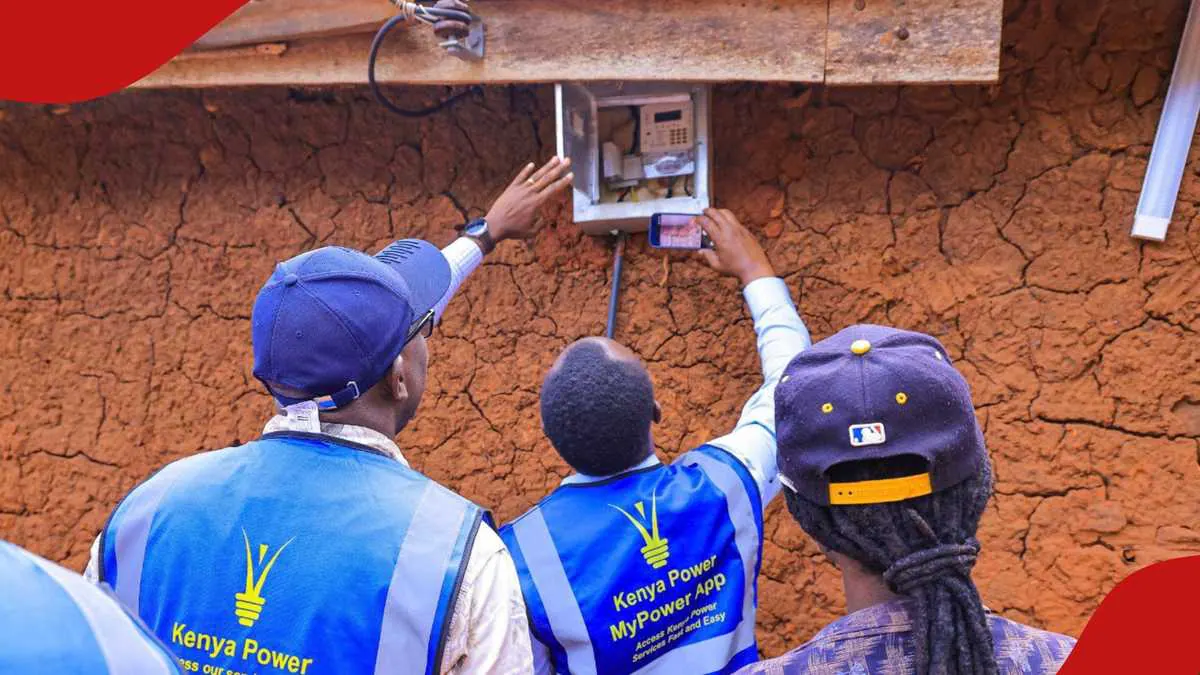
The Energy and Petroleum Regulatory Authority (EPRA) in Kenya has highlighted a tariff that gives eligible customers a 50% discount on energy charges during off-peak hours. This Time of Use (TOU) tariff is designed to incentivize electricity usage during periods of lower demand, with the goal of improving how Kenya utilizes its available generation capacity. The scheme allows electricity distributors to spread consumption more evenly across the day, reducing strain on the national grid while passing direct cost benefits to participating consumers.
Under the TOU tariff, eligible customers receive a 50% reduction in energy charge rates when they consume electricity during qualifying off-peak hours. The approach aims to shift demand away from peak periods, easing pressure on the national grid. Industrial and commercial users are typically among the primary beneficiaries of off-peak pricing arrangements. By adjusting their consumption patterns, these users can significantly reduce their electricity costs.
In the financial year 2025/26, energy savings under the TOU tariff rose by 48.47%, reaching 267.6 GWh compared to 180.3 GWh the previous year. This notable acceleration in the tariff's impact suggests that more customers are becoming aware of the tariff's benefits and adjusting their consumption patterns accordingly. The growing numbers are evidence that demand-side management tools are gaining traction within Kenya's electricity sector.
The financial benefit to consumers also grew substantially, with beneficiaries of the tariff collectively saving KSh 1.88 billion in electricity costs during the financial year under review. This represents an increase of approximately KSh 440 million in savings within a single year. The savings are a direct result of the tariff's structure, which incentivizes customers to shift their consumption to off-peak periods.
EPRA's Energy and Petroleum Statistics Report 2026 provides insights into the performance of the TOU tariff. The report frames the growing numbers as evidence that demand-side management tools are gaining traction within Kenya's electricity sector. The TOU tariff is emerging as one of the more measurable instruments for both cost reduction and grid efficiency.
In addition to the TOU tariff, EPRA has introduced other charges, including the Fuel Energy Cost Charge, which was set at 351 Kenyan cents per kWh for electricity meter readings taken in August 2026. A foreign exchange fluctuation adjustment of 117.77 cents per kWh was also applied to electricity bills for the same period. A Water Resource Management Authority Levy of 1.50 cents per kWh was charged on electricity generated from hydropower in August 2026.
The growing uptake of the TOU tariff is a positive development for Kenya's electricity sector, as it promotes efficient use of available generation capacity and reduces strain on the national grid. As more customers become aware of the tariff's benefits, it is likely that the scheme will continue to play a critical role in shaping the country's energy landscape. The success of the TOU tariff could also inform the development of future demand-side management tools.
Key points
- Energy savings under the Time of Use tariff rose by 48.47% in FY 2025/26.
- Beneficiaries of the tariff collectively saved KSh 1.88 billion in electricity costs during the financial year under review.
- The TOU tariff gives eligible customers a 50% discount on energy charges during off-peak hours.