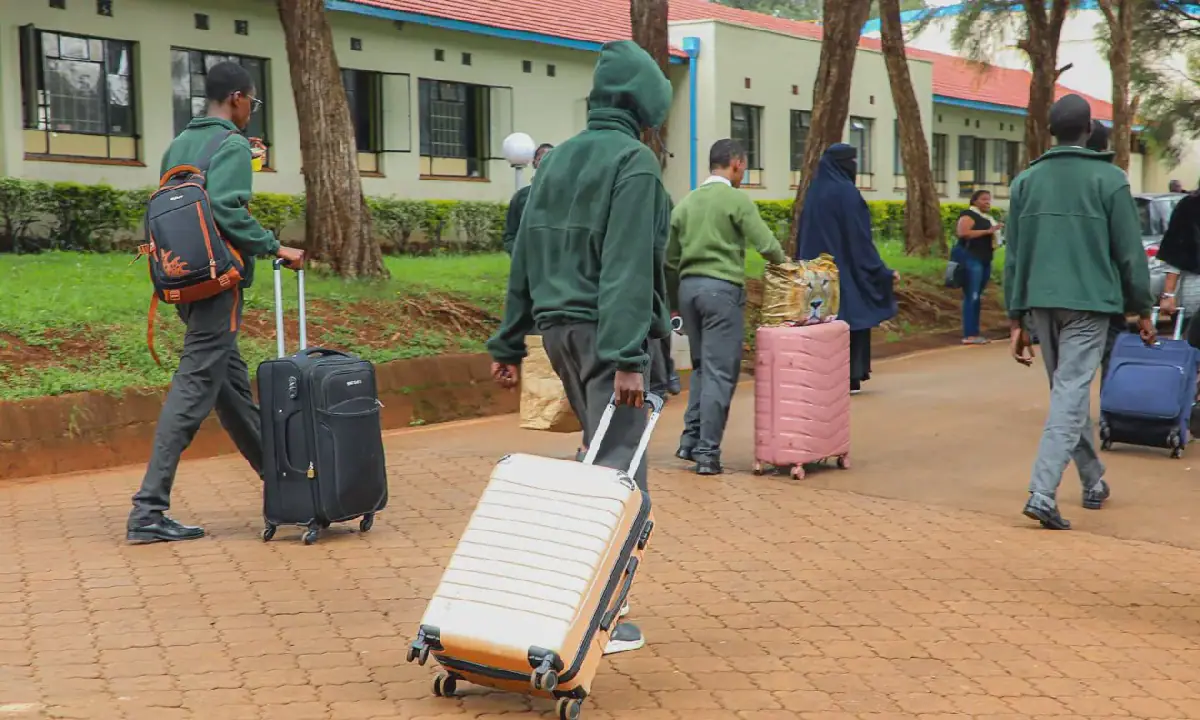
The Kenyan education ministry has announced a revised school calendar for 2027, aimed at addressing student unrest and strikes that plagued the education sector in 2026. According to the new calendar, the academic year will commence on January 4, 2027. This move is part of the government's efforts to ensure a stable and conducive learning environment for students.
The revised calendar reduces the second term from 14 to 13 weeks for all levels of education and extends the third term from nine to 10 weeks. Additionally, mid-term breaks have been lengthened, with the February break increasing from five to nine days for primary and junior secondary schools, and to 10 days for senior secondary and high schools.
The ministry has also extended the June mid-term break from five to 11 days for primary and junior secondary schools, and to 12 days for senior secondary and high schools. These changes aim to alleviate student fatigue and address concerns over exam pressure, leadership challenges, and inadequate boarding facilities that contributed to the unrest.
Education Minister Julius Ogamba had announced in June 2026 that the ministry would review the school calendar to ensure a balanced learning period, following the student unrest that affected 204 schools. The minister had cited student exhaustion, exam pressure, and substance abuse as some of the factors contributing to the unrest.
In October 2026, Ogamba appointed a 52-member team led by Prof. Peter Mulwa Mbithi to investigate the root causes of the unrest and recommend reforms to improve student welfare, safety, and discipline. The team's findings and recommendations are expected to inform future policy decisions.
Under the new calendar, primary, junior secondary, and senior secondary schools will close for the second term on April 9, 2027, after a 14-week period. The changes are expected to promote a more balanced and productive learning environment, reducing the likelihood of student strikes and unrest.
The Kenyan government has been working to address the concerns of students and educators, ensuring that the education sector provides a safe and supportive environment for learners. The revised school calendar is a key step towards achieving this goal, and its implementation will be closely monitored to assess its effectiveness.
Key points
- The Kenyan education ministry has revised the 2027 school calendar to address student unrest and strikes that affected 204 schools in 2026.
- The revised calendar extends mid-term breaks and adjusts holiday periods to alleviate student fatigue and address concerns over exam pressure and inadequate facilities.
- The changes aim to promote a more balanced and productive learning environment, reducing the likelihood of student strikes and unrest.