Kenya's health system has confirmed its first imported case of Ebola Bundibugyo Virus Disease, marking a significant test of the country's preparedness and response measures. The patient, a Kenyan citizen who had lived in the Democratic Republic of Congo (DRC) for seven years, fell ill about a month ago and was treated in several hospitals before traveling to Kenya. The patient arrived in Nairobi on October 3 and died the same night at Nairobi Hospital.
The detection of the case is being hailed as a success for Kenya's surveillance infrastructure. A relative and a friend drove the patient from Jomo Kenyatta International Airport (JKIA) to Nairobi Hospital in a private car, where a doctor suspected Viral haemorrhagic fever (VHF) based on the patient's symptoms and recent travel history. A sample was collected and tested positive at both the National Virology Reference Laboratory and the Kenya Medical Research Institute (KEMRI).
The patient was quickly isolated and moved to the hospital's East Wing isolation facility, demonstrating the effectiveness of the Integrated Disease Surveillance and Response framework. The system, which was built to handle such scenarios, allowed for rapid identification and escalation of the case. Two independent laboratory confirmations supported the clinical decision, highlighting the robustness of the system.
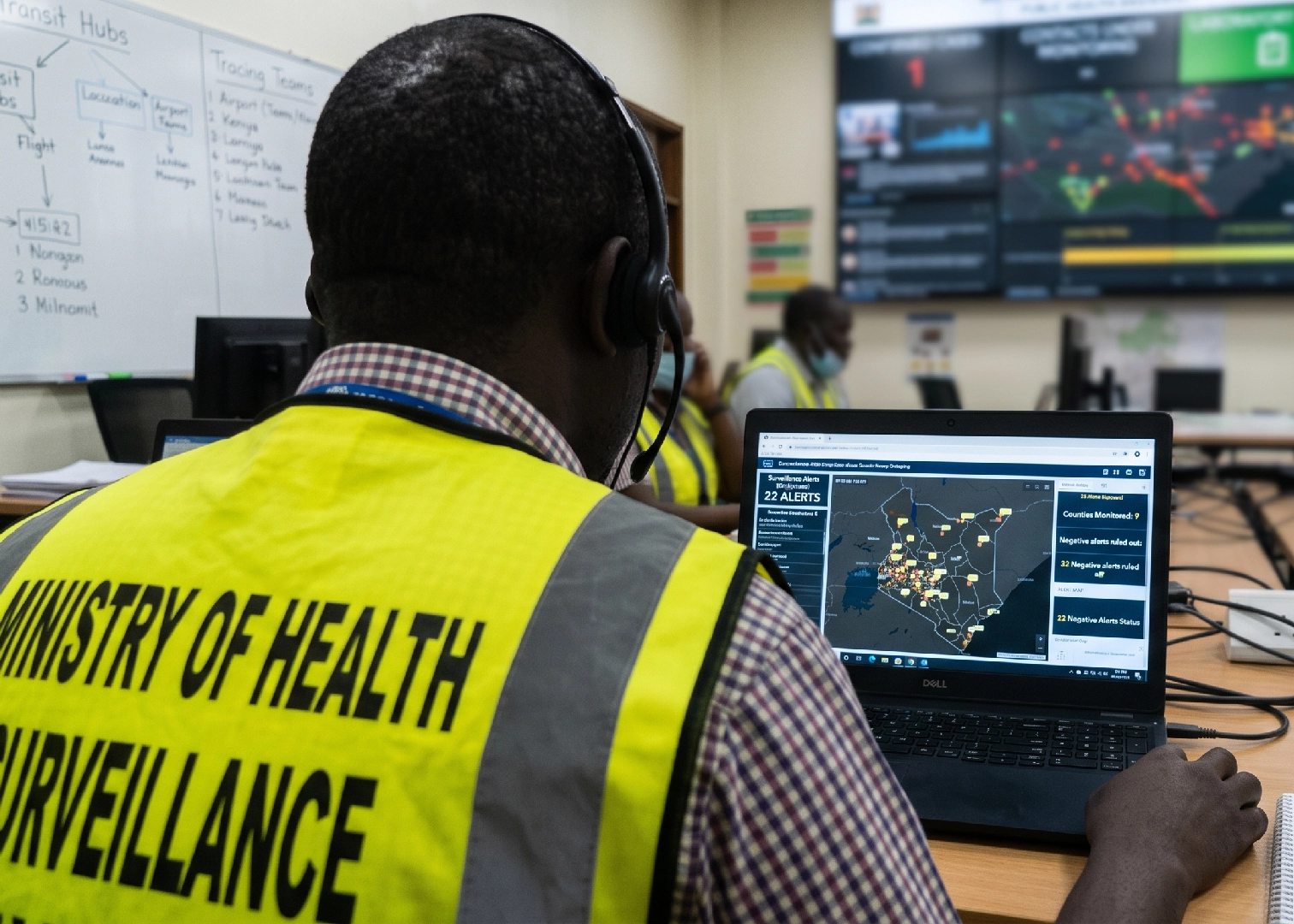
The Kenyan health authorities are now tracing passengers and crew from the Jambojet flight that the patient took from Kampala to Nairobi, as well as close contacts who drove the patient from JKIA to Nairobi Hospital. This effort is being supported by the All-Disease Outbreak Module (ADaM), a digital platform that enables health workers to record exposures, log contacts, and escalate alerts.
The National Incident Management System, activated in May, is also playing a critical role in the response efforts. The system draws on county emergency operation centers and rapid response teams across the country, and is supported by four designated laboratories that are running around the clock to process samples.
The confirmed case has also highlighted the need for public awareness and cooperation. Ebola spreads through direct contact with the blood or body fluids of a sick or deceased person, and the risk to the general public remains low. However, people with a relevant travel history or known exposure are being advised to take specific precautions, including calling ahead before seeking care and cooperating with the 21-day monitoring period.
The Kenyan health system faces a critical challenge in the coming days and weeks, as it seeks to trace every contact quickly, support them through monitoring, and manage public anxiety without panic. The 22 negative alerts that preceded this confirmed case were not wasted effort, as they helped train health workers, test escalation pathways, and prove that the system generates real signals.
Key points
- The Kenyan health system has confirmed its first imported Ebola case, a Kenyan citizen who recently traveled from the DRC.
- The detection of the case is being hailed as a success for Kenya's surveillance infrastructure.
- The Kenyan health authorities are now tracing passengers and crew from the Jambojet flight that the patient took from Kampala to Nairobi.