On October 6, 2026, Kenya confirmed an imported case of the Bundibugyo strain of Ebola in a Kenyan citizen who had traveled from the Democratic Republic of Congo. The patient had traveled by road from the DRC to Kampala, Uganda, and then taken a flight to Nairobi, where they were isolated and diagnosed. This development has triggered a response from regional health authorities to strengthen their preparedness and surveillance measures.
The Kenyan Ministry of Health has isolated the patient and begun contact-tracing activities to prevent further spread of the disease. The patient's travel route and contacts are being closely monitored, and those who have come into contact with them are being tracked and monitored for symptoms. The Ministry is working closely with other health authorities in the region to ensure a coordinated response to the outbreak.
Nigeria's Centre for Disease Control is reviewing the risk to the country and strengthening preparedness measures with national and state partners. The Centre is urging travelers from affected areas to monitor their health for 21 days and seek medical care if symptoms develop. This move is aimed at preventing the spread of the disease into Nigeria and ensuring that the country is prepared to respond quickly if cases are detected.
Uganda's Ministry of Health has affirmed that the country remains Ebola-free, despite the Kenyan case transiting through Entebbe airport for less than 24 hours. The Ministry noted that the patient had a normal temperature at departure and reiterated its ongoing surveillance and preparedness efforts. Uganda is working to ensure that its health systems are prepared to detect and respond to any potential cases.
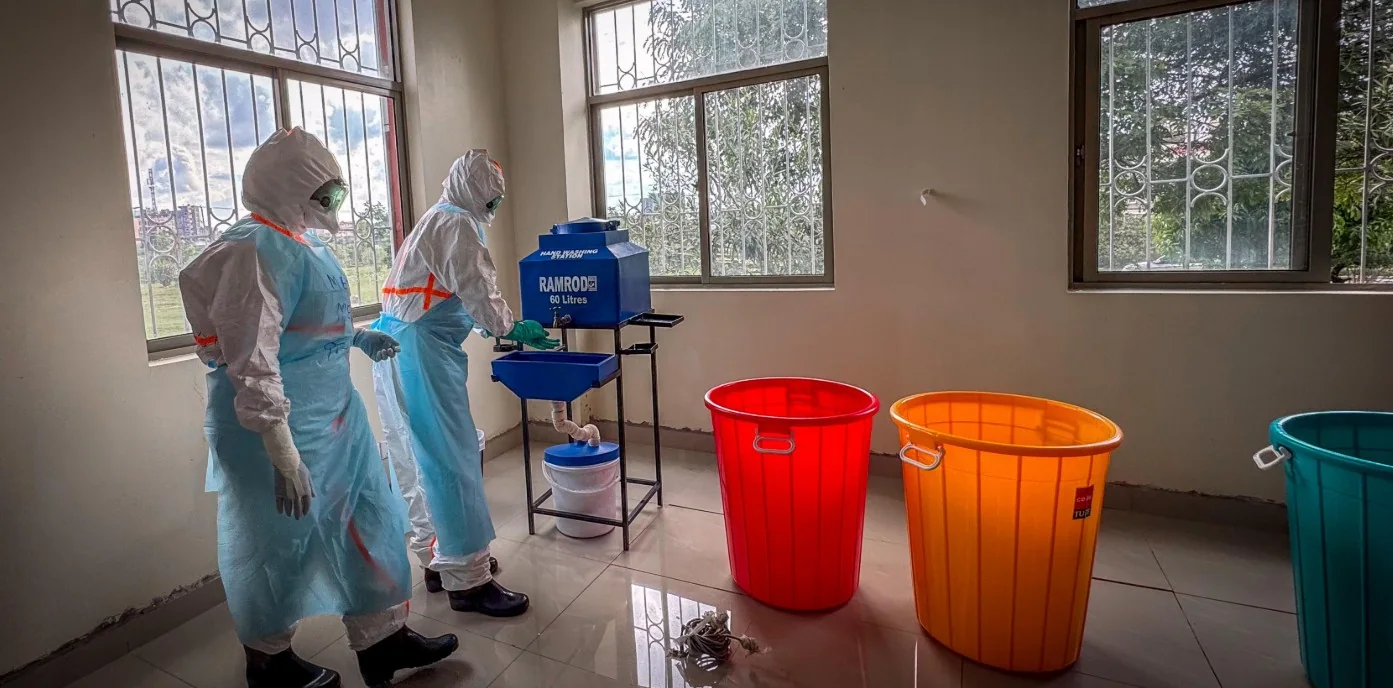
Médecins Sans Frontières (MSF) is closely coordinating with Kenya's Ministry of Health and providing regional support to enhance preparedness and response measures. MSF has opened an Ebola simulation and training centre in Kajiado County, which replicates an Ebola treatment facility and has trained 355 professionals, including 84 Kenyan health workers, on personal protective equipment, infection-prevention, and emergency response procedures.
MSF is also supporting preparedness activities at Mombasa's Port Reitz Sub-County Hospital and in Busia County along the Kenya-Uganda border. These activities include supporting isolation, case management, and infection-control measures to ensure that health facilities are prepared to respond to potential cases. MSF is drawing on its experience in the DRC outbreak, which has infected over 8,200 people and caused around 4,000 deaths.
The regional response to the Ebola case in Kenya highlights the importance of community engagement and trusted information to counter fear and misinformation. MSF and other health authorities are working to educate communities about the risks of Ebola and the measures being taken to prevent its spread. By working together, health authorities in the region aim to prevent the spread of the disease and ensure a quick response if cases are detected.
Key points
- Kenya confirms imported Ebola case, prompting regional health authorities to enhance surveillance and preparedness measures.
- Regional health authorities, including Nigeria and Uganda, are strengthening preparedness measures to prevent the spread of the disease.
- MSF is providing regional support, including training and simulation exercises, to enhance preparedness and response measures.