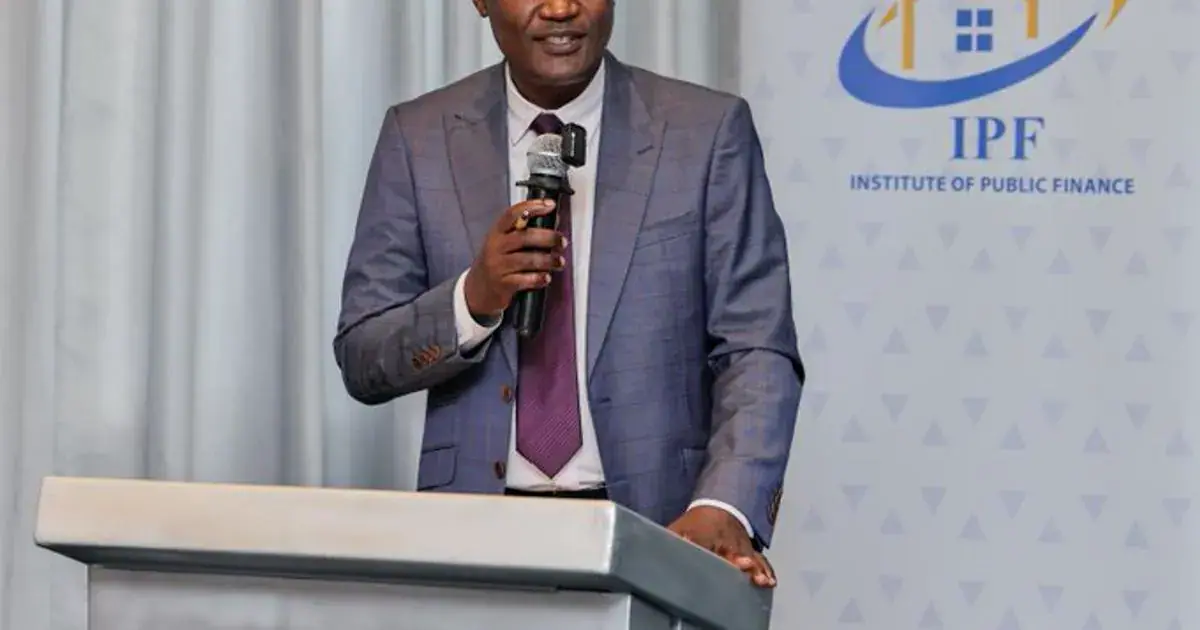
The National Treasury of Kenya has announced that the Electronic Government Procurement (e-GP) system has successfully facilitated the award of 4,470 contracts valued at approximately Sh 18.3 billion since its official launch. Treasury Cabinet Secretary John Mbadi revealed the figures during a breakfast meeting convened by the Institute of Public Finance (IPF), emphasizing the system's role in driving transparency and efficiency in public sector spending.
The e-GP system has onboarded 1,546 procuring entities, processed upwards of 30,000 requisitions, and registered a robust network of 45,000 suppliers eager to engage in transparent public contracting. This digital platform has fundamentally altered the landscape of public sector spending, driving transparency and efficiency across government ministries, departments, and agencies.
A core strength of the e-GP system lies in its interconnectivity with critical government databases. The platform has been deeply integrated with several key national systems, including the Integrated Financial Management Information System (IFMIS), the Business Registration Service (BRS), the National Construction Authority (NCA), Access to Government Procurement Opportunities (AGPO), and the Kenya Revenue Authority’s i-Tax platform.
This digital harmonization has significantly bolstered accountability, strengthened oversight, and minimized systemic irregularities that historically plagued manual procurement processes. The National Treasury emphasized that the administration is advancing e-GP as a foundational reform to strengthen oversight, minimize irregularities, enhance competition, and secure greater value for money in the use of public resources.
Treasury Cabinet Secretary John Mbadi underscored that the ultimate success of the e-GP framework extends far beyond simple software adoption. He stressed that sustained utilization, strict compliance, and targeted capacity building for both public institutions and private sector suppliers remain paramount. Particular attention is being directed toward safeguarding the participation of vulnerable and marginalized business groups.
The Treasury noted that deliberate mechanisms are required to ensure micro, small, and medium-sized enterprises (MSMEs) alongside businesses owned by youth, women, and persons with disabilities can seamlessly navigate and benefit from digital public procurement. The CS emphasized that the success of e-GP will depend not only on onboarding procuring entities but also on sustained system utilization, compliance, and building the capacity of public institutions and suppliers.
Looking ahead, the Treasury is preparing to scale up the platform's capabilities. The upcoming implementation phases will extend the e-GP infrastructure to encompass all remaining public procuring entities that have yet to complete full integration. Furthermore, the government plans to roll out sophisticated additional modules designed to handle electronic complaints, appeals, and comprehensive contract management.
Key points
- The e-GP system has facilitated the award of 4,470 contracts valued at approximately Sh 18.3 billion since its launch on 7 April 2025.
- The platform has onboarded 1,546 procuring entities, processed more than 30,000 requisitions, and registered 45,000 suppliers.
- The next phase will extend the platform to remaining procuring entities and introduce additional modules, including electronic complaints and appeals and contract management.