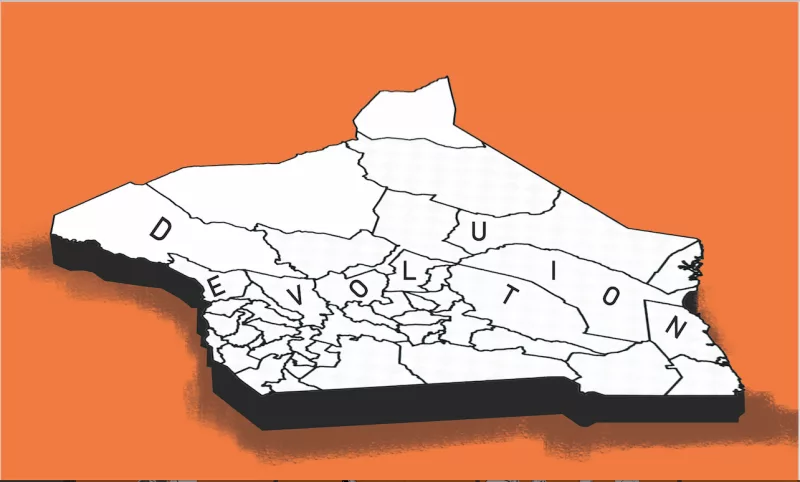
A call has been made for Kenya's 47 counties to work together to establish trade relations and remove barriers that hinder the free flow of goods and services. This would enable residents to access a ready market for their products, prevent losses, and enhance food security for the nation. The 2010 constitution brought about a devolved system of governance, with 47 county governments aimed at bringing services closer to the people.
The North Rift region counties of Uasin Gishu and Trans Nzoia, known as the food basket of the nation, produce enough maize to feed the nation. However, farmers in these counties still face challenges such as low prices and limited access to reliable markets. In contrast, counties like Turkana, Baringo, and other parts of the North experience hunger and high costs of foodstuffs like maize flour.
Milk production is another area where farmers face challenges, struggling to sell raw produce directly to consumers. Despite having the capacity to grow more crops, farmers in many counties lack access to markets. The problem lies not in production but in enhancing trade between counties. To address this, counties need to enact new laws to address policy and levy challenges, ensuring farmers can transport their produce without incurring excessive costs.
A single, harmonized cess or fee charged on goods in transit could reduce the cost of transporting produce from one county to another. This would encourage farmers and traders to move their goods across counties without being discouraged by unfavorable taxation. Existing economic blocs like Noreb should be strengthened to build common markets and foster value chain linkages among devolved units.
Specialization and trade between counties could also promote economic growth. For instance, Uasin Gishu could focus on grain milling and storage, while Trans Nzoia could focus on seed production. Such initiatives would enhance trade and promote food security. By allowing the free sale of goods and services across counties and removing unnecessary barriers, counties can work together for the common good of all Kenyans.
According to Calvine Chitwa, a communication officer with the Uasin Gishu county government, the hard work and determination of farmers should be supported to make agriculture more attractive and recognize its positive contribution to the nation's growth. The devolved system of governance was meant to bring services closer to the people, and counties should promote healthy competition that enhances trade.
The call for counties to work together and remove trade barriers comes as Kenya prepares for the 2027 elections. With 308 days, 21 hours, and 54 minutes to go, Kenyans will be looking to their leaders to address pressing issues like food security and economic growth.
Key points
- Kenyan counties can promote food security and economic growth by removing trade barriers and enhancing inter-county trade.
- A single, harmonized cess or fee charged on goods in transit could reduce transportation costs and encourage trade between counties.
- Specialization and trade between counties, such as Uasin Gishu focusing on grain milling and Trans Nzoia on seed production, can promote economic growth and food security.