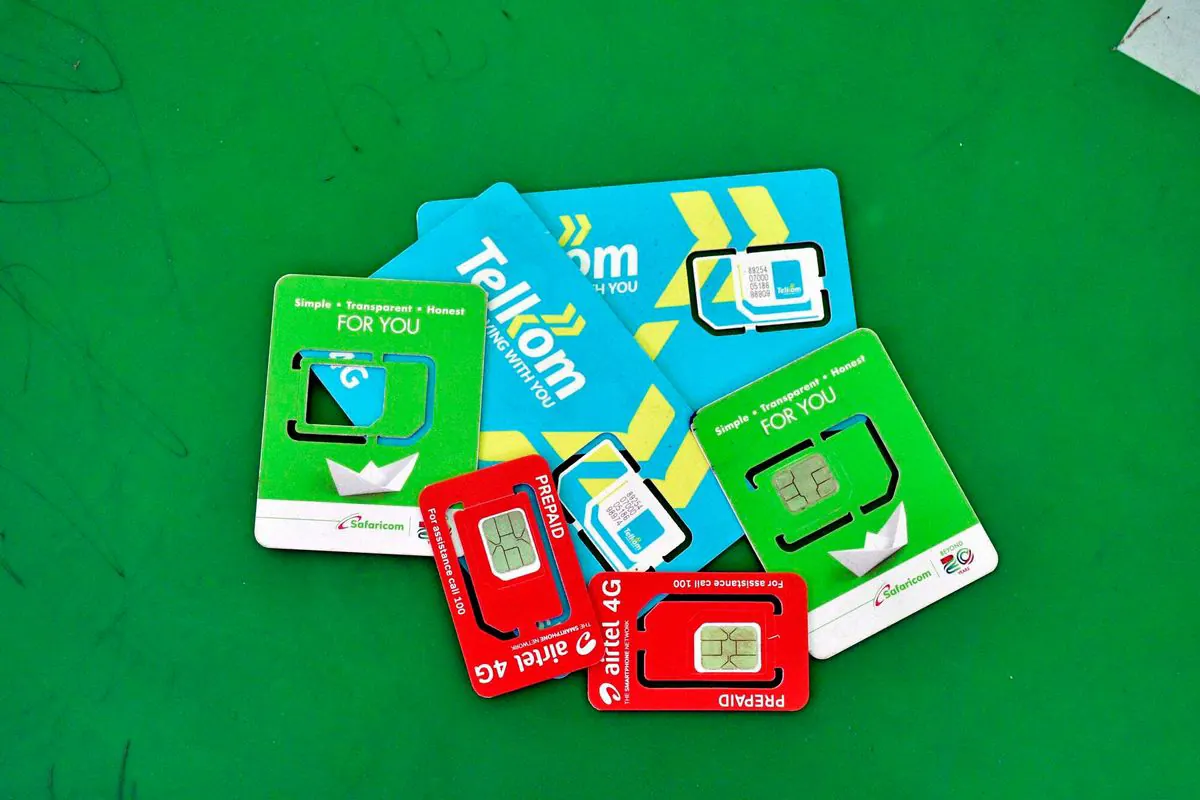
The Communications Authority of Kenya (CA) is planning to establish a central database to store recently recycled phone numbers. This move aims to help banks, fintech firms, and other service providers avoid sending messages to unintended recipients after mobile lines change ownership. The database will enable third parties, such as bulk SMS platforms, to verify the status of phone numbers before sending subscription-related messages.
The proposed database is part of the regulator's rules to give mobile subscribers more control over their lines by extending the window telcos take to recycle dormant numbers by three months. The CA has proposed rules that seek to provide more protection for mobile subscribers. This move mirrors a similar system in the United States, where the Federal Communications Commission maintains a Reassigned Numbers Database.
The CA's proposal follows concerns over security and privacy risks arising from the recycling of dormant mobile lines. These lines have become a key gateway to mobile banking, online accounts, and identity verification through one-time passwords (OTPs). A recycled number could leave banks and fintech providers sending account alerts or password-reset messages to a new subscriber rather than the original customer.
The proposed database would allow service providers to verify whether a number has changed ownership before sending subscription-related messages. This would reduce the risk of personal information being exposed to unintended recipients. Telcos such as Safaricom and Airtel Kenya will be required to submit lists of deactivated and recycled numbers every three months to the centralised system.
The regulator rejected a suggestion that subscribers should be required to notify their contacts by SMS when their mobile numbers change ownership. The CA warned that such efforts could create fresh privacy concerns and violate the Data Protection Act. Instead, the CA will require telcos to delink and archive the previous owner's personal data before reallocating a number.
Under the proposals, a line would become eligible for deactivation and recycling after three months without revenue-generating activity. Operators would then be required to contact the subscriber and give them a further three months to reactivate the line. The CA's proposals provide special protection for prisoners and people held in remand for extended periods.
The CA's move is expected to increase compliance costs for telcos due to the longer retention period and additional notification, reporting, and data management requirements. Dormant lines generate no revenue but continue to occupy network resources, while the supply of numbering resources is limited. The proposals aim to balance the needs of telcos and mobile subscribers.
Key points
- The Communications Authority of Kenya plans to establish a central database of recycled phone numbers to prevent messages being sent to wrong recipients.
- The proposed database will enable third parties to verify the status of phone numbers before sending subscription-related messages.
- The move aims to provide more protection for mobile subscribers and reduce the risk of personal information being exposed to unintended recipients.