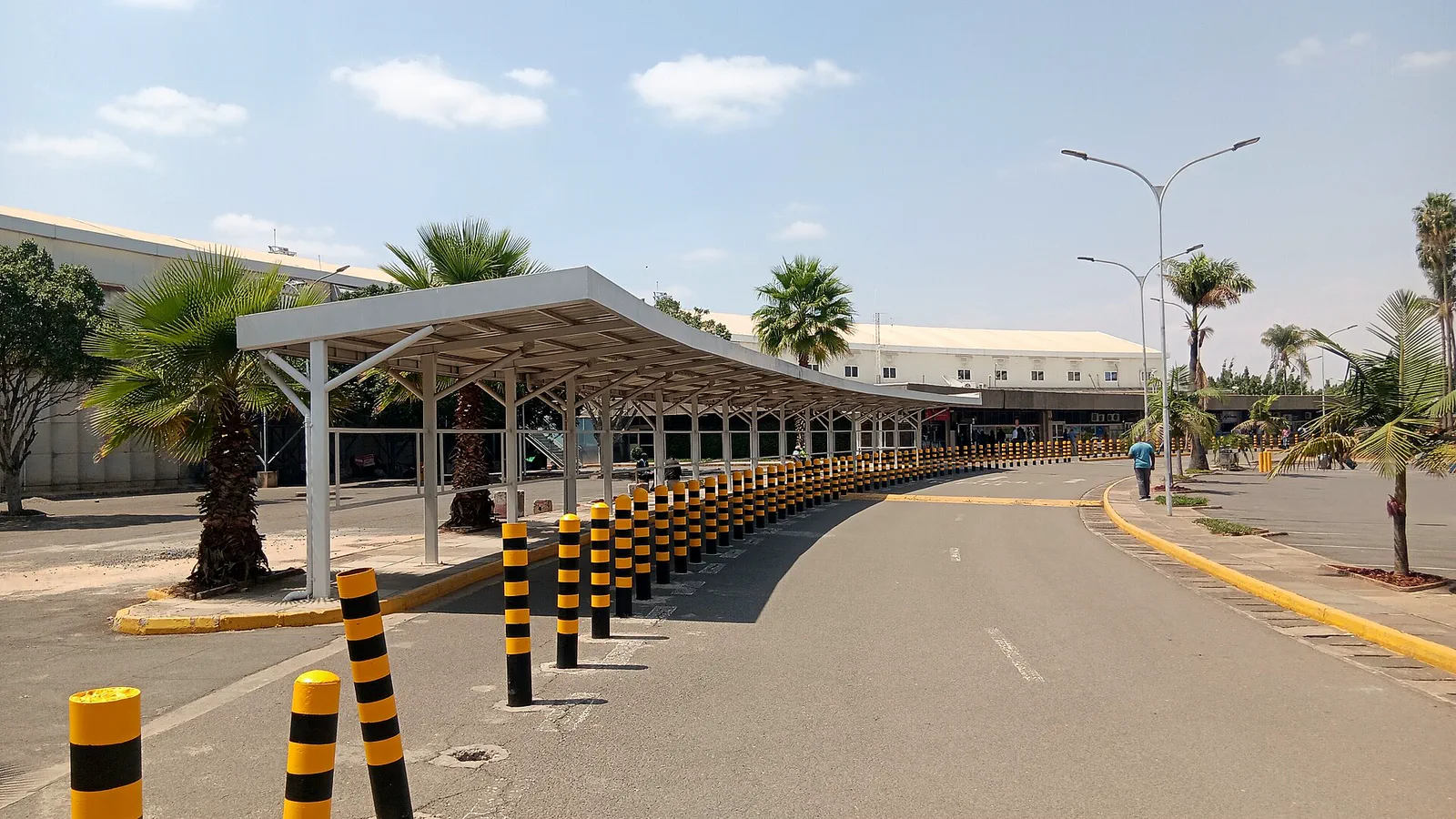
The Kenyan government has introduced new measures to combat the spread of Ebola, designating Gate 16 at Jomo Kenyatta International Airport (JKIA) for travellers arriving from 10 African countries classified as high-risk. This move comes after Kenya confirmed its first case of Ebola Bundibugyo virus disease. The 10 countries are the Democratic Republic of Congo, Uganda, Burundi, Rwanda, Ethiopia, South Sudan, Angola, the Central African Republic, Zambia, and Tanzania.
Public Health and Professional Standards Principal Secretary Mary Muthoni announced the new arrangement on October 7, 2026, after inspecting the airport's preparedness. Arrivals from these high-risk countries will be directed to Gate 16, where enhanced screening measures have been put in place to identify anyone who may have been exposed to Ebola. The new measures aim to ensure early detection and prevent further transmission of the virus.
The confirmed Ebola case involved a 40-year-old Kenyan man who had lived in the Democratic Republic of Congo for seven years. He fell ill about a month before travelling and was treated at several health facilities in the DRC before crossing into Uganda by road. He then flew from Kampala to Nairobi on Jambojet on October 3 and passed through routine health checks at JKIA. His condition later worsened, and he was taken to Nairobi Hospital, where he was isolated and tested positive for Ebola.
The National Virology Reference Laboratory and the Kenya Medical Research Institute confirmed the Ebola Bundibugyo virus disease. Unfortunately, the man died at about 11:30 pm on October 5. The sequence of events has raised questions about the capacity of standard checks to pick up infected travellers whose symptoms are not yet apparent. This incident highlights the need for enhanced screening measures, especially for travellers from high-risk countries.
Beyond the airport screening changes, the government has introduced health declaration forms for people leaving Kenya, in addition to the arrival forms passengers already fill in. Travellers entering the country must state their current health status and disclose any treatment or medication received in the previous month. This move aims to improve surveillance and prevent the spread of Ebola.
By October 6, more than 52,000 travellers had been screened, and 267 samples tested, according to government figures. The government also reports that 4,971 healthcare workers have been trained on Ebola prevention and management, while surveillance at points of entry has been intensified and contact tracing is underway. The Africa Centres for Disease Control and Prevention has welcomed Kenya's response and called for swift action to prevent further transmission.
Health authorities have advised travellers and the public to maintain good hand hygiene and reduce unnecessary physical contact, including handshakes and hugs. The government continues to work to prevent further spread of Ebola, with a focus on early detection, strong surveillance, and rapid response. The situation remains under close monitoring, and further updates will be provided as more information becomes available.
Key points
- Kenya has designated Gate 16 at JKIA for travellers from 10 African countries with heightened Ebola risk.
- The government has introduced health declaration forms for people leaving Kenya to improve surveillance.
- Over 52,000 travellers have been screened, and 267 samples tested for Ebola as of October 6.