Kenya has recorded its first-ever Ebola death, a Kenyan man who had been living in the Democratic Republic of Congo. According to Health Minister Aden Duale, the victim fell ill in the DRC, received treatment, and then traveled by road to Uganda and flew from Kampala to Nairobi on October 3. Kenyan authorities confirmed he had Ebola, and he died on Monday night. The government has since traced 28 contacts, including relatives and healthcare workers.
The Ebola outbreak in the DRC, which began in May, has reportedly killed more than 4,000 people, primarily in Ituri province. World Health Organization (WHO) chief Tedros Adhanom Ghebreyesus has described the situation as a "catastrophic collision of disease and conflict," with the response hindered by the rapid spread of the disease. Neighboring Uganda had recorded 20 confirmed cases by mid-July.
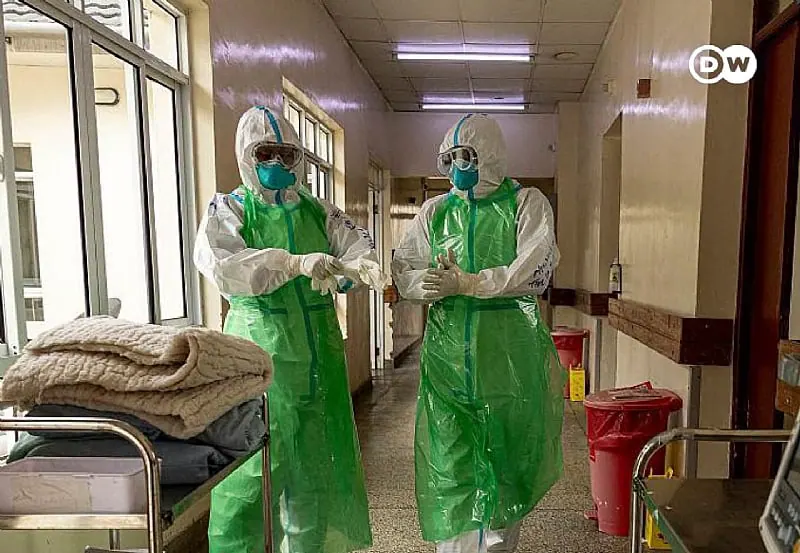
In preparation for an Ebola outbreak, the Kenyan government intensified surveillance in high-risk counties and assembled a standby team of 343 trained responders. By early July, 122 samples from 119 alerts had been tested, all of which were negative. The government chose to implement screening, quarantine, and contact tracing measures in line with WHO guidance, rather than closing its borders.
However, preparedness efforts were marred by controversy, particularly surrounding a US-funded Ebola quarantine facility in Laikipia. The project triggered protests in Nanyuki, resulting in the deaths of three people, including a 17-year-old schoolboy. A court later found Minister Duale in contempt over the project, and construction was halted.
The Kenyan government has urged the public not to panic, and officials are working to prevent further spread of the disease. The case highlights the risk of Ebola transmission through ordinary travel routes, as the victim traveled by road and air without being detected. The government must now focus on monitoring the 28 contacts and preventing further transmission.
Trust is crucial in the response to the outbreak, and the government must work to rebuild trust with the public. President William Ruto had urged Kenyans not to politicize Ebola, and officials must now prioritize transparent communication and cooperation with the public. The next 21 days will be critical in determining the course of the outbreak.
The Kenyan government can draw lessons from West Africa's experience with Ebola in 2014, particularly Ghana. While airports and borders cannot be sealed, effective surveillance, trained health workers, and honest communication can limit the damage. The single death in Nairobi serves as a reminder of the need for vigilance and swift action to prevent further transmission.
Key points
- The Kenyan government had prepared for an Ebola outbreak, but controversy surrounding a quarantine facility project may have eroded public trust.
- The victim traveled from the DRC to Uganda and then to Kenya, highlighting the risk of Ebola transmission through ordinary travel routes.
- The government must prioritize transparent communication and cooperation with the public to rebuild trust and prevent further transmission.