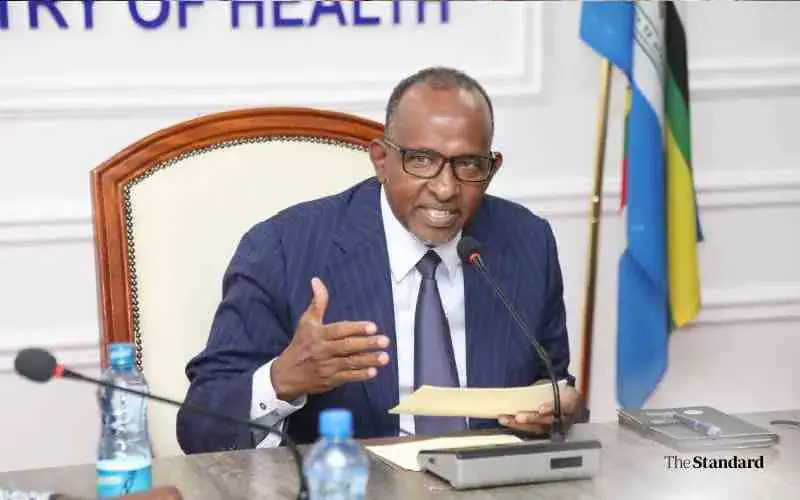
The Kenyan government has expressed concern over Saudi Arabia's decision to suspend travel and visa issuance involving the country due to the Ebola outbreak. Health Cabinet Secretary Aden Duale stated that the restrictions are excessive and unsupported by the current epidemiological situation. Kenya will pursue diplomatic engagement with Saudi Arabia to resolve the dispute. The Ministry of Foreign and Diaspora Affairs will continue to engage with the Kingdom to address the issue.
Saudi Arabia announced the restrictions on October 30, suspending travel by its citizens to Kenya and barring travellers from the country from entering the Kingdom. The measures include a suspension of all categories of visas for people arriving from Kenya and extend to travellers entering through third countries if they have stayed in Kenya or another country experiencing an Ebola outbreak within the 21 days preceding their arrival.
The Kenyan Ministry of Health reported that all 135 contacts linked to the imported index case had been identified and traced, with 118 placed under quarantine. The Ministry confirmed eight infections linked to the index case, involving four healthcare workers and four close family members, with no evidence of transmission beyond the cluster. Kenya has not recorded a new confirmed case since October 19, while seven patients remain under care following two deaths.
The Ministry of Health expressed optimism that five of the seven patients would test negative for Ebola after completing treatment and be discharged. An additional 46 contacts under quarantine have not developed any symptoms to date. The Ministry called on the international community to support its containment efforts rather than impose travel restrictions. Kenya has demonstrated leadership and transparency in its response to the outbreak.
Health Cabinet Secretary Aden Duale urged the international community to support Kenya's containment efforts rather than impose travel restrictions. Duale emphasized that Kenya requires support and collaboration, not condemnation or isolation. The expected releases of patients and contacts would demonstrate that Kenya's response is working.
Saudi Arabia's Public Health Authority, known as Weqaya, reported that the health situation within the Kingdom remains stable and under constant surveillance. The authority is monitoring regional and international developments in coordination with relevant health agencies. Saudi Arabia has not indicated how long the restrictions will remain in force or specified the conditions for lifting them.
The travel restrictions could affect Kenyan Muslims planning to travel to Saudi Arabia for Hajj and Umrah. The Kingdom's announcement refers to the suspension of all visa categories for travellers from Kenya, but has not clarified whether any exemptions will apply to pilgrims. The uncertainty could affect travel arrangements for those planning to undertake the pilgrimages in the coming months.
Key points
- Kenya protests Saudi Arabia's travel restrictions over Ebola outbreak
- Restrictions 'excessive' and unsupported by epidemiological situation
- Kenya calls for support and collaboration from international community