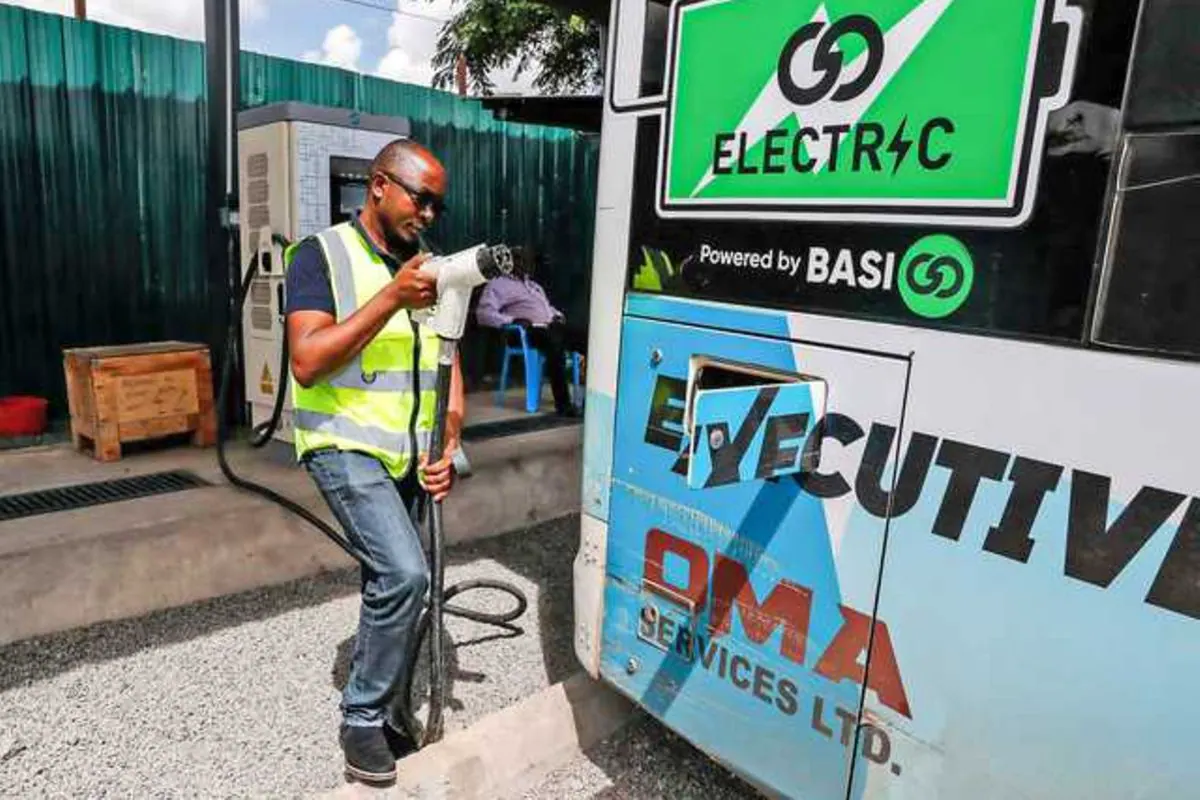
The Energy and Petroleum Regulatory Authority (Epra) in Kenya has introduced a new tariff structure for electric vehicle (EV) charging stations. This move aims to reduce costs and encourage the adoption of e-mobility in the country. The new tariff allows charging stations to charge EVs at Sh16 per kilowatt-hour (kWh), with a reduced rate of Sh8 per unit during off-peak hours between 10pm and 6am.
Previously, the special e-mobility tariff was capped at 15,000 kWh a month. Exceeding this limit resulted in higher electricity costs for charging station operators. The new amendment to the 2023 electricity tariff schedule, published in the Kenya Gazette on September 18, removes this cap. This change benefits charging station operators, allowing them to serve more EVs without incurring sharp tariff penalties.
The new tariff structure is expected to benefit EV companies, enabling them to expand their charging infrastructure countrywide. Industry analysts believe that this move will create room for more Kenyans to switch to electric vehicles. Moses Nderitu, vice-president of the Electric Mobility Association of Kenya (EMAK), stated that the change will allow his company, BasiGo Kenya, to expand its charging infrastructure beyond buses to serve other forms of transport.
The growth of the EV market in Kenya has been significant, with 35,661 registered electric vehicles as of January 2026. This includes 33,374 motorcycles, 1,065 three-wheelers, and 591 station wagons. The adoption of EVs is driven by the desire to reduce reliance on fossil fuels and lower fuel costs. Electricity is cheaper than petrol or diesel, making EVs an attractive option for consumers and businesses.
The global energy crisis has contributed to the increased demand for electric vehicles in Africa. Kenya has seen a significant rise in EV uptake, with electricity consumption linked to charging EVs increasing 188 percent to 8.43 million kWh in 2025. Industry analysts have called for more regulatory incentives to encourage EV owners and operators to charge during off-peak periods when electricity demand is lower.
The Kenyan private sector has taken the lead in installing EV charging stations, with most clustered in Nairobi and its satellite towns. The State-owned Kenya Power has also installed several stations at its offices. According to the United Nations Economic Commission for Africa (ECA), Kenya has the second-most developed EV charging network in Africa, behind Egypt.
The adoption of EVs in Kenya is expected to continue growing, driven by the need to reduce fuel import and subsidy bills and reliance on oil supplies from the Gulf. Flora Limukii, head of government relations in Kenya for Spiro, stated that the new tariff structure will give investors, charging infrastructure providers, and fleet operators greater confidence to plan, expand, and scale based on actual market demand.
Key points
- The Energy and Petroleum Regulatory Authority (Epra) has capped power prices for electric vehicles (EVs) at Sh16 per kWh, with a reduced rate of Sh8 per unit during off-peak hours.
- The new tariff structure removes the monthly consumption limit of 15,000 kWh, allowing charging station operators to serve more EVs without incurring higher electricity costs.
- Kenya has seen a significant rise in EV uptake, with 35,661 registered electric vehicles as of January 2026, driven by the desire to reduce reliance on fossil fuels and lower fuel costs.