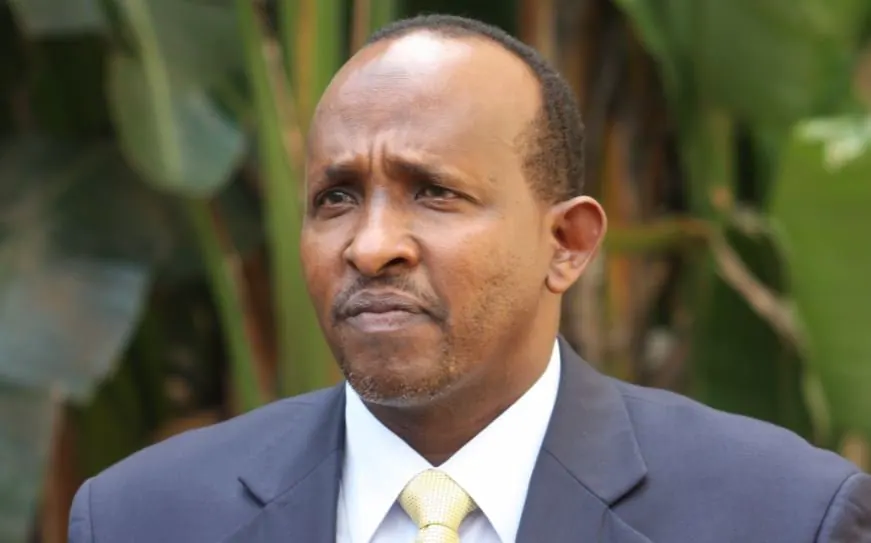
Kenya's Health Cabinet Secretary Aden Duale has reassured foreign governments, investors, and tourists that the country remains safe and open for business. This comes after a single imported Ebola case was confirmed on October 6. The case involved a traveler who arrived from the Democratic Republic of Congo (DRC) and later succumbed to the virus. Duale emphasized that the isolated incident does not signal a wider outbreak.
Speaking in Nairobi on October 8, Duale held a high-level briefing with diplomats and international development partners. He stated that the government's response is guided by verified epidemiological data, scientific advice, and established public health protocols. The Ministry of Health has since identified 57 contacts, with 10 individuals placed in quarantine as contact tracing continues.
Foreign advisories, including warnings from the United States and the United Kingdom, have urged citizens to exercise heightened caution. The UK advised against non-essential travel to select regions. However, the World Health Organization (WHO) advised against broad travel or trade restrictions, recommending targeted health surveillance instead.
The Kenyan government has implemented several measures to respond to the Ebola case. These include dedicated isolation and treatment facilities with a combined capacity of 241 beds. The national laboratory network has processed over 268 samples, with turnaround times between 6 and 12 hours. Enhanced health screening has also been instituted at Jomo Kenyatta International Airport (JKIA) for passengers arriving from 10 neighboring and regional countries.
Kenya is maintaining close cross-border coordination with Uganda and the DRC. The government is also working alongside international partners on field logistics, community outreach, and emergency response capabilities. This collaborative effort aims to prevent the spread of the virus and ensure public safety.
The WHO's recommendation against broad travel or trade restrictions is based on the low risk of widespread transmission. The organization suggests that targeted health surveillance is a more effective approach. Kenya's response to the Ebola case has been guided by this advice, with a focus on contact tracing, isolation, and treatment.
The Kenyan government's efforts to reassure foreign governments, investors, and tourists are ongoing. With continued vigilance and cooperation from international partners, the country aims to prevent the spread of Ebola and maintain its status as a safe and open destination for business and tourism.
Key points
- The Kenyan government has reassured foreign governments, investors, and tourists that the country remains safe and open for business despite a recent Ebola case.
- The WHO has advised against broad travel or trade restrictions, recommending targeted health surveillance instead.
- Kenya has implemented measures to respond to the Ebola case, including dedicated isolation and treatment facilities and enhanced health screening at JKIA.