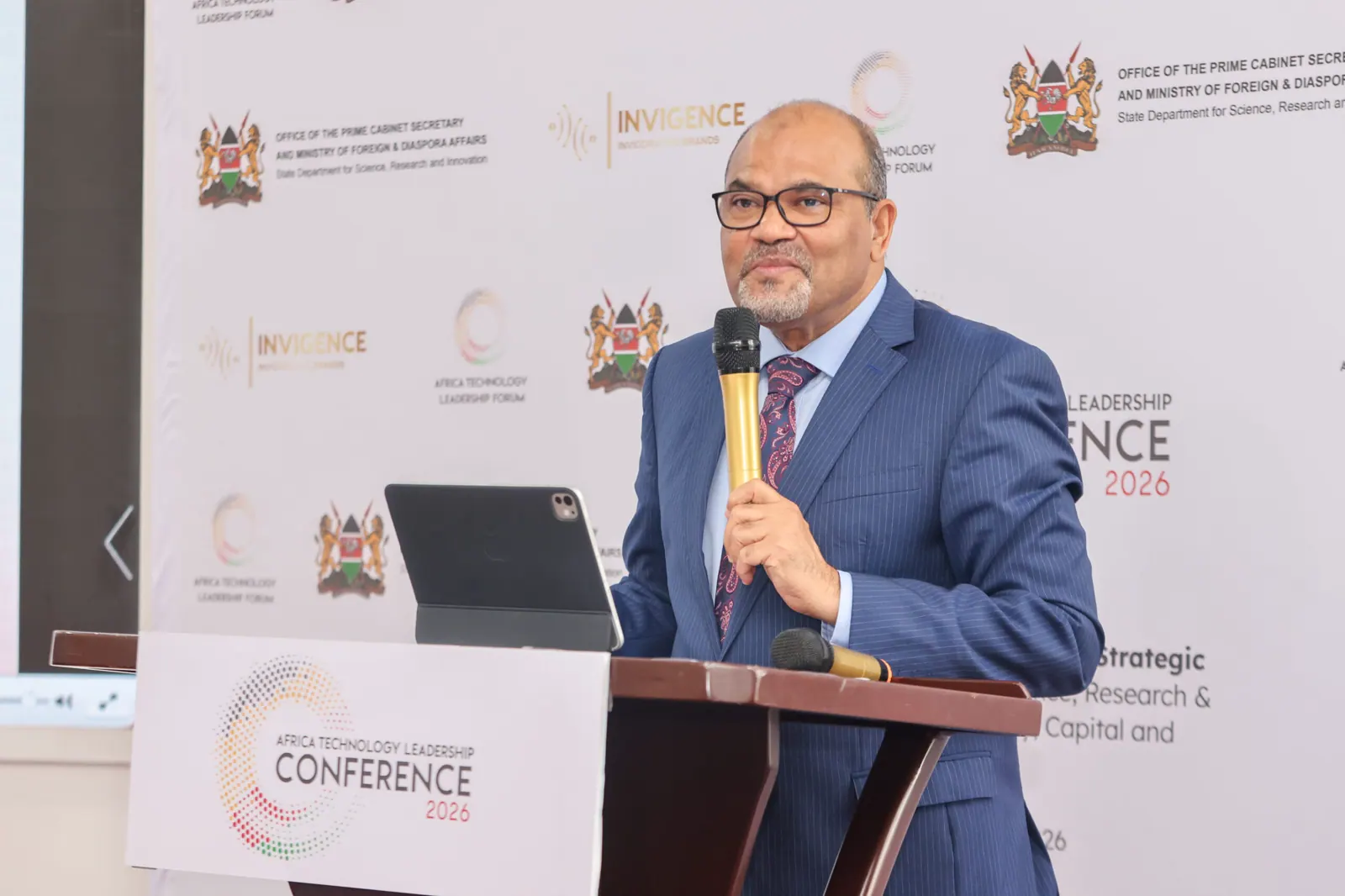
The Kenyan government is working to create a clearer path for university research and locally developed technologies to reach the market. This effort aims to extract more commercial value from the country's research base. A recent Research, Innovation and Commercialisation Roundtable in Nairobi brought together researchers, universities, technical colleges, government agencies, standards bodies, and private companies.
The roundtable identified several bottlenecks hindering the commercialization of research, including gaps in financing, testing, certification, intellectual-property arrangements, and access to industry. Participants noted that promising technologies often stall between the laboratory and the market due to these challenges. To address these issues, they proposed creating specialized clusters linking universities, research organizations, TVET institutions, and companies around specific national and commercial problems.
A national repository of researchers, facilities, expertise, and research outputs was also proposed to make technical capabilities easier to identify and access. This repository aims to facilitate collaboration and resource sharing among researchers, institutions, and industry partners. Additionally, participants emphasized the need for clearer rules governing intellectual-property ownership and revenue-sharing between researchers, universities, students, and private-sector partners.
Financing emerged as a significant concern, with participants calling for capital to be matched to development stages ranging from ideation and proof of concept to prototyping, validation, commercialization, and scale. The Kenya Bureau of Standards urged innovators to address standards, testing, and certification earlier in the product-development cycle. Smaller institutions and startups often lack affordable access to testing and certification facilities, creating another barrier to market entry.
The discussions will form part of a Kenyan position paper to be presented at the Africa Technology Leadership Conference 2026. Participating institutions are expected to identify priority research areas, leading researchers, major facilities, and promising technologies ahead of the conference. This information will be used to create an initial national inventory of research and technical capabilities.
Selected innovations will be screened for potential engagement with investors, corporations, and technical partners. Organizers are proposing deal rooms and structured one-to-one meetings at ATLC to connect research projects with financing, testing facilities, technical expertise, commercial partners, and distribution networks. The effort aims to strengthen the link between Kenya's research institutions and the private sector.
The Africa Technology Leadership Conference 2026 will take place on October 22-23 at the Argyle Grand Hotel in Nairobi. The conference aims to bring together leaders in technology and innovation to discuss and shape the future of technology in Africa. Key stakeholders will reflect on the progress made and prepare for the conference by shaping what they want to achieve and discuss.
Key points
- Kenya seeks to commercialize university research and locally developed technologies ahead of the Africa Technology Leadership Conference (ATLC) 2026.
- The government aims to extract more commercial value from the country's research base by addressing gaps in financing, testing, certification, and intellectual-property arrangements.
- The Africa Technology Leadership Conference 2026 will take place on October 22-23 at the Argyle Grand Hotel in Nairobi.