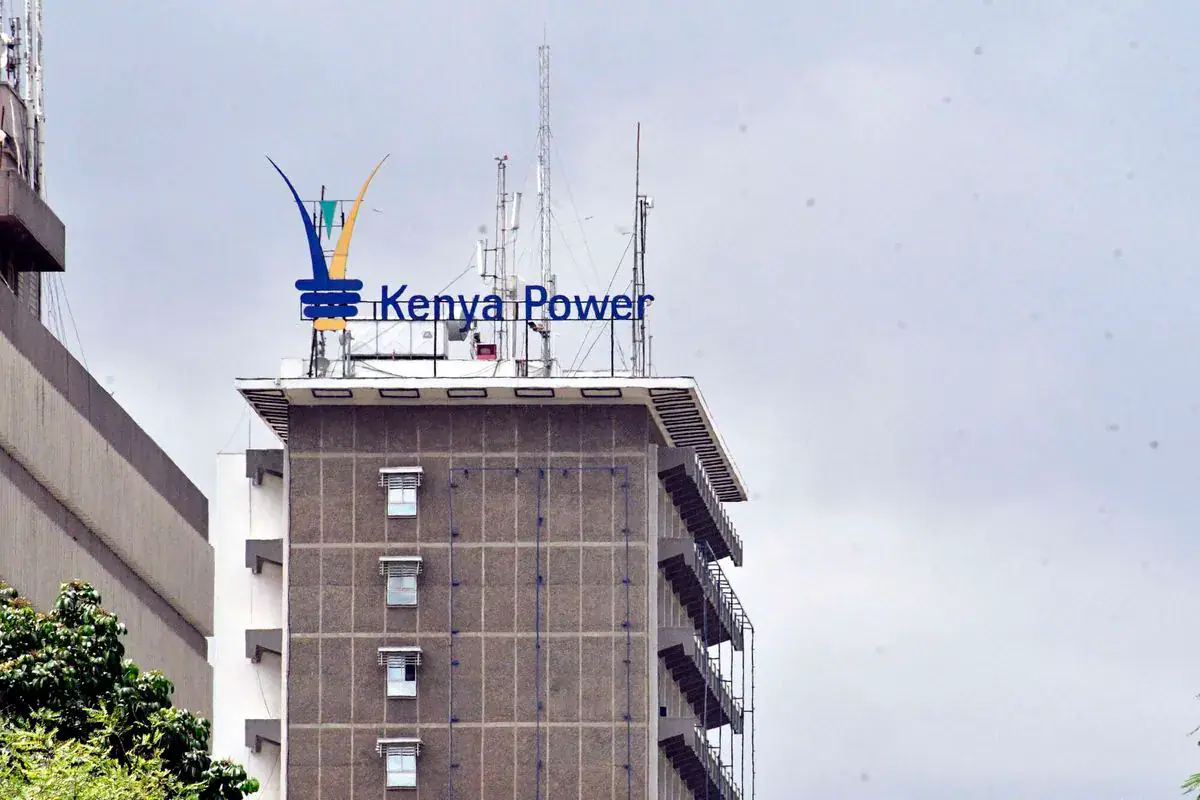
Kenya Power has warned that households may face a rise in electricity prices following the end of its monopoly on the sale of electricity to homes and businesses. The utility firm's latest annual report notes that allowing other firms to sell power will put pressure on its cross-subsidisation model, which cushions households from costly power. This model relies on larger and more affluent customers paying more for a unit of electricity, enabling Kenya Power to subsidise some domestic consumers.
The cross-subsidisation model is under threat as large consumers, who account for nearly 60 percent of Kenya Power's sales revenues, migrate to new entrants. The World Bank has expressed concerns that domestic consumers may be forced to pay more if large consumers leave Kenya Power. The bank warns that exposing Kenya Power to competition risks crippling the utility due to long-term wholesale electricity agreements it has with generators like KenGen, Lake Turkana Wind, and OrPower4.
Kenya recently cleared the path for power producers to directly sell electricity to larger electricity consumers, ending Kenya Power's monopoly. The Energy (Electricity Market, Bulk Supply and Open Access) Regulations, 2026, allow private firms to sell electricity directly to consumers, with the goal of ending the monopoly by next year. The government expects this move to offer homes and businesses a choice and ultimately lower power bills, which have increased to Sh1,278 for 50 units from Sh823 in 2019.
However, the World Bank predicts chaos and costly electricity under the liberalised market. It warns that Kenya Power's long-term power purchase agreements with 27 firms, including KenGen, Lake Turkana Wind, and OrPower4, could become difficult to meet if top retail customers migrate to new entrants. In the year to June 2023, Kenya Power paid Sh117 billion to these firms. Consumers often complain of steep power bills, partly due to idle capacity charges that compensate power generators for unused electricity.
The new regulations allow power producers with no existing power purchase agreements (PPAs) with Kenya Power to sell electricity to large consumers, such as small commercial enterprises, industries, and factories. These producers will apply to use Kenya Power and Kenya Electricity Transmission Company (Ketraco) networks to reach large consumers, paying wheeling charges for access. Agreements for direct electricity sales will be for 1-10 years, with prices approved by the Energy and Petroleum Regulatory Authority.
Industries, factories, and businesses bought 7,313 Gigawatt-hours (GWh) of power, or 70 percent of the 10,570GWh sold by Kenya Power in the year ended June 2025. Opening up the electricity retail space will allow big consumers to enjoy an alternative supply of electricity and grant investors in the generation space a bigger market. For example, KenGen, the single-biggest supplier of electricity to Kenya Power, has sought to directly sell power to consumers to reduce business risk.
The Energy and Petroleum Regulatory Authority has announced a schedule for public consultations to guide the fees that power producers will be charged for using the national grid to directly sell power. These consultations will last five days, ending December 11, 2026, with the findings expected to speed up the move to end Kenya Power's monopoly.
Key points
- Kenya Power warns of rising electricity prices as new entrants sell power directly to large consumers.
- The end of Kenya Power's monopoly is expected to offer homes and businesses a choice and ultimately lower power bills.
- The World Bank predicts chaos and costly electricity under the liberalised market.
Reporting sources
- Kenya Power flags costly tokens as monopoly ends · Business Daily Africa