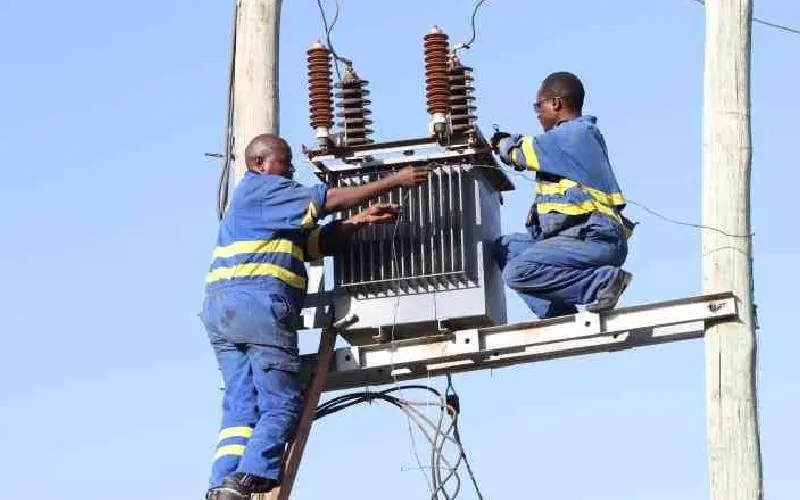
Kenya Power, the country's main electricity distributor, is facing a potential penalty of Sh40 million for failing to serve its 10 million customers, according to a report. The Standard Group Plc, a leading multi-media house in Kenya, has highlighted concerns over the reliability of the national grid. The company's managing director has stated that trees cause 50 to 70 per cent of outages, which may be excused by law.
The Kenya Power's own charter promises customers supply within 24 hours of payment. However, many customers have reported waiting for several days for electricity to be restored after paying for tokens. The Schedule sets a breach at Sh20,000 a year for interruptions that are too frequent and Sh20,000 for interruptions that are too long. Regulation 10 says one incident darkening the whole country counts as one contravention.
Regulation 8 says the regulator may impose a penalty, but it does not have to. This has raised concerns that Kenya Power can fail all ten million of its customers all year for Sh40,000, a relatively small amount compared to the losses incurred by businesses and individuals due to power outages. A kiosk, for example, loses more in one spoiled weekend.
The energy sector is undergoing significant changes, with open access inviting other companies to serve large customers. This has led to a situation where two-thirds of what Kenya Power earns goes out in direct costs before anyone replaces a transformer. Seven in ten units it sells go to large customers, which are now being invited to leave.
The collapse of the grid not only inconveniences citizens but also has environmental implications. Kenya's electricity is overwhelmingly renewable, but when the grid fails, people resort to using generators or burning charcoal, leading to deforestation. This is a concern, especially during events like Mazingira Day, which aims to promote environmental conservation.
To address these issues, the structure of Kenya Power needs to be reformed. The regulator needs to be given more powers to enforce standards and ensure that the company is held accountable for its failures. This includes publishing the causes of power outages and the number of customers who claimed compensation.
Customers are also being advised to complain in writing and keep reference numbers if they experience power outages. If Kenya Power fails to address their concerns, the regulator must decide within sixty days, and the Tribunal can award damages. Ultimately, Kenya Power's survival will depend on its ability to adapt to changing circumstances and prioritize the needs of its customers.
Key points
- Kenya Power faces a potential Sh40m penalty for failing to serve its 10m customers.
- The company's charter promises supply within 24 hours of payment, but many customers report waiting for several days.
- The collapse of the grid has environmental implications, including deforestation, and requires urgent reform.