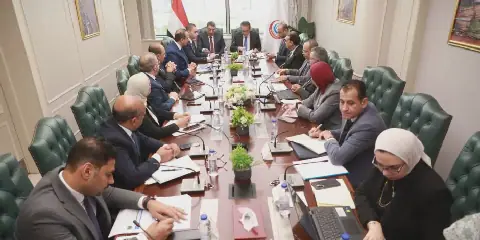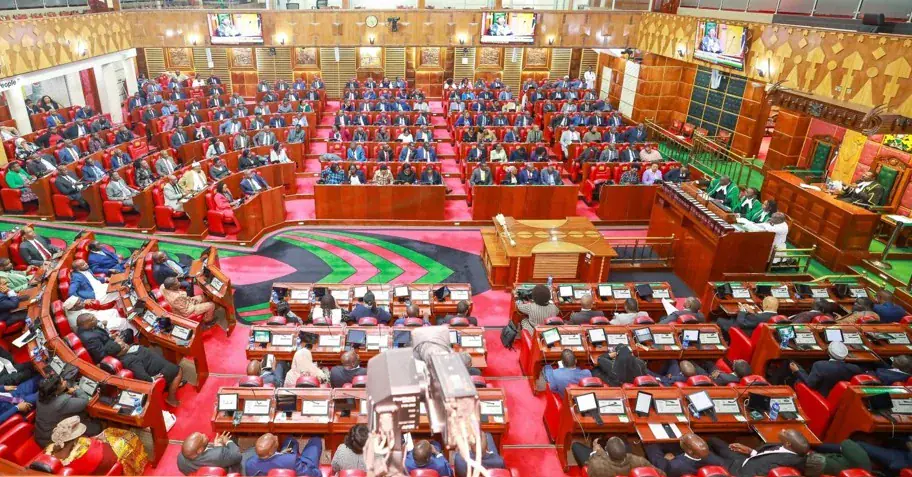
The Kenyan parliament is debating a bill to establish a National Coroners Service, aimed at improving investigations of suspicious, sudden, and unexplained deaths across the country. The bill, sponsored by Majority Leader Kimani Ichung'wah, seeks to provide a legal framework for post-mortem investigations and regulate the movement of deceased persons. It was discussed during a stakeholder engagement where public and private institutions presented their positions.
The proposed National Coroners Service Bill has garnered support from various stakeholders, including the Kenya Medical Association (KMA), the Ministry of Interior and National Administration, and the Office of the Director of Public Prosecutions. These institutions believe that an independent service would strengthen justice administration, protect the dignity of the deceased, and provide reliable mortality data for public-health policy.
Principal Secretary Judith Pareno of the State Department for Justice, Human Rights and Constitutional Affairs praised the bill, noting that it is a step toward operationalizing the National Coroners Service. She highlighted that Chief Government Pathologist Johansen Oduor currently performs many coroner duties without adequate institutional support. Pareno called for a structured service with officers and offices nationwide.
Johansen Oduor, who also backs the bill, urged that the National Coroners Service operate independently of police, prosecution, and courts. He recommended clear guidelines to focus investigations on reportable deaths rather than every death. Oduor further suggested a formal partnership between health and justice sectors and a costed national implementation plan covering staffing, facilities, and regional access.
The Kenya Medical Association expressed strong support for the bill, noting that an independent service would strengthen justice administration, protect the dignity of the deceased, and provide reliable mortality data for public-health policy. The Ministry of Interior and National Administration and the Office of the Director of Public Prosecutions also backed the legal framework.
However, mortuary technicians urged the inclusion of provisions for their legal protection and occupational biosafety. The bill is currently before the National Assembly Departmental Committee on Health, which received submissions from various officials and stakeholders. Committee chair James Nyikal is expected to oversee the bill's progress.
The proposed National Coroners Service aims to improve access to justice and regulate the movement of deceased persons in and out of the country. If passed, the bill will provide a structured framework for post-mortem investigations and establish an independent body to investigate suspicious deaths.
Key points
- The bill seeks to establish an independent National Coroners Service to investigate suspicious, sudden, and unexplained deaths across Kenya.
Reporting sources
- Parliament debates Bill to create independent National Coroners Service · kenya-today.com