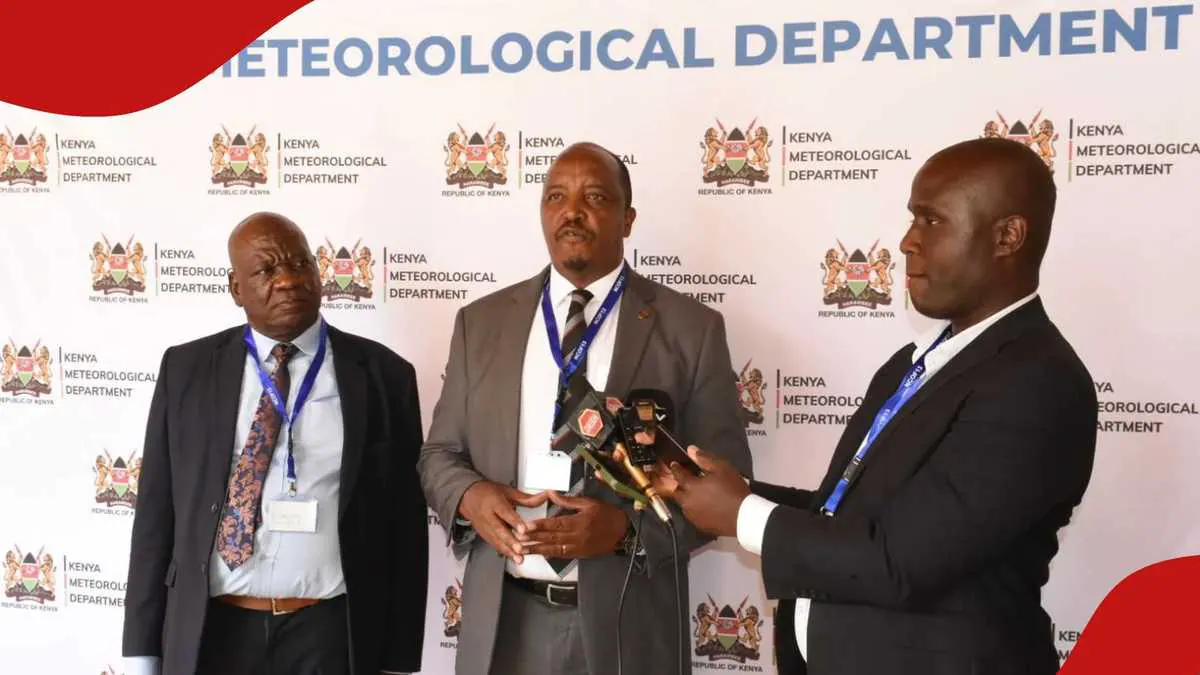
The Kenya Meteorological Service Authority (KMSA) has issued a statement warning Kenyans to stop assuming that El Niño automatically translates to heavy rainfall. This comes as the October-December long rains season begins, with many parts of the country still dry despite public expectations of imminent downpours. KMSA explained that El Niño refers to the build-up of unusually warm ocean temperatures in the tropical Pacific.
According to KMSA, the strength of the El Niño event does not directly determine how much rain falls in Kenya. What actually occurs over Kenya depends on a combination of factors, including conditions in the Indian Ocean and prevailing winds, all of which can either reinforce or weaken the effects of the Pacific phenomenon. A KMSA representative emphasized that people should stop believing that El Niño is rainfall.
Principal Meteorologist Dr. Joyce Kimutai previously elaborated on the distinction, stating that El Niño is not synonymous with rainfall. El Niño is just a weather condition that happens in the Pacific Ocean, and its impacts can be rain in some parts or drought in other parts. KMSA confirmed that the El Niño threshold was crossed during the April-May-June period.
The authority attributed prolonged dry conditions in the North Rift partly to this evolving El Niño phenomenon, raising crop failure risks in the region. The Agriculture Ministry separately cautioned that poor harvests were expected across Trans Nzoia, Uasin Gishu, and Nakuru counties, where moisture deficits struck crops during critical stages.
Looking ahead, KMSA's October-December outlook projects above-average rainfall across most parts of Kenya, though onset dates will vary. The authority expects the majority of areas to receive the first rains between the second and fourth weeks of October. Across broader Eastern Africa, enhanced rainfall has been forecast.
However, KMSA warned that the wetter conditions could increase the risk of flooding, waterlogging, and landslides. Since June, the authority has been running monthly webinars and media engagements to explain the science behind El Niño and manage public expectations ahead of the rainy season.
The World Food Programme reports that Africa could face severe droughts and floods between October 2026 and March 2027, due to changing weather patterns. This could cause severe floods across East Africa and intense drought in southern Africa and the Sahel, affecting 12 African countries, including Kenya.
Key points
- El Niño does not automatically mean heavy rainfall in Kenya.
- Kenya Meteorological Service Authority warns of varying onset dates for October-December rainfall.
- Africa faces severe droughts and floods between October 2026 and March 2027 due to El Niño.