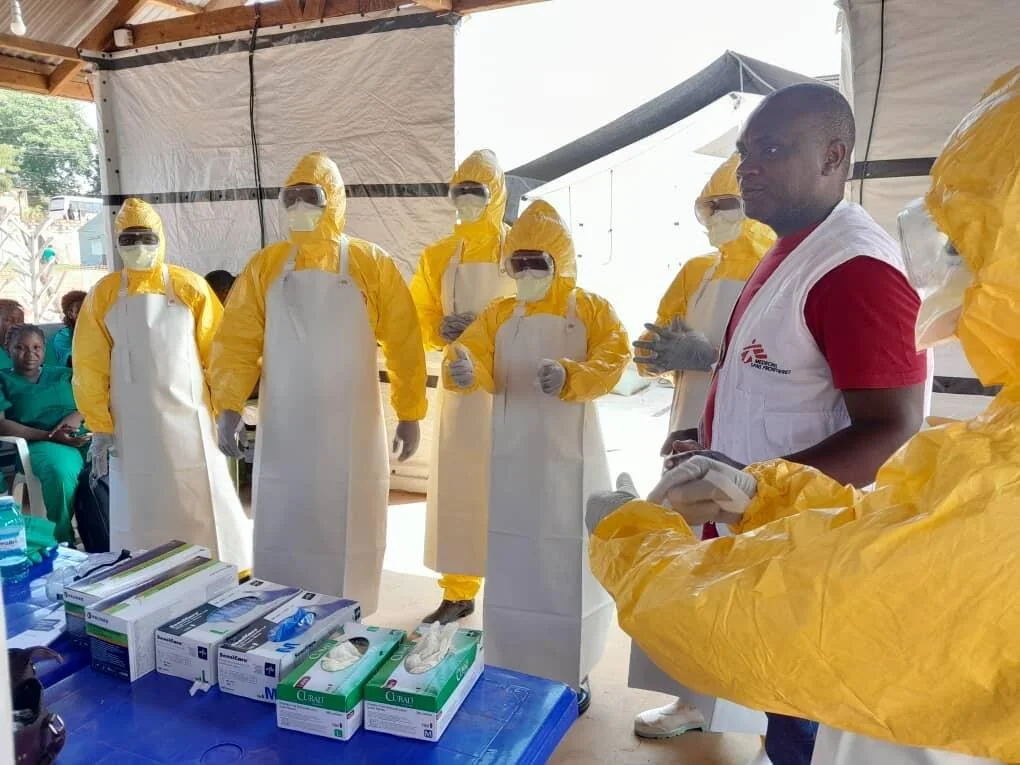
The Kenya Medical Association (KMA) has appealed for full compliance with the 21-day quarantine period for individuals potentially exposed to Ebola. This measure is essential for early illness detection and preventing further spread. KMA emphasizes that quarantined persons should receive clear information, daily medical checks, and other assistance, while families also need guidance throughout the monitoring period.
The call follows Kenya's confirmation of its first Ebola Bundibugyo virus disease case, a 40-year-old man who had lived in the Democratic Republic of Congo for seven years before falling ill and later dying in Nairobi. The patient became symptomatic while in the DRC, received treatment at several facilities, travelled by road through Uganda, and arrived in Nairobi on Jambojet flight 8523 on October 3.
Health authorities are now tracing contacts from the patient's journey and after his arrival. The KMA urges anyone developing fever, weakness, vomiting, diarrhoea, or unexplained bleeding after possible exposure to seek medical care promptly. People who have travelled from the DRC, Uganda, or South Sudan in the past 21 days, shared the same flight, or had contact with a suspected case are asked to disclose their travel and exposure history to health officials.
The KMA advises anyone unable to call the Ministry of Health's toll-free line (719) or *719# to present themselves at the nearest health facility and immediately inform staff of any travel or exposure details. The association also calls for stronger protection of health workers, urging routine travel history checks, immediate isolation of suspected cases, and proper use of personal protective equipment.
The KMA stresses that any unprotected exposure by a health worker should be reported without waiting for laboratory confirmation. Adequate PPE, ready isolation units, and reinforced port-of-entry surveillance are vital. While acknowledging the single confirmed case, the KMA cautions against panic, noting that early action, community cooperation, and transparent leadership can contain the outbreak.
The Bundibugyo strain is historically less lethal than the Zaire strain, and with no approved vaccine or specific drug, early detection, supportive care, and infection-prevention measures remain the main tools to reduce deaths and transmission. The KMA reminds the public that Ebola does not spread through the air or casual contact, emphasizing hand hygiene, avoidance of contact with infected bodily fluids, and reliance on official health information.
The Kenya Medical Association's call for adherence to the 21-day quarantine period comes as the country recorded its first Bundibugyo case. According to the association, this measure is crucial in preventing further spread and ensuring early detection of the disease. The KMA continues to work closely with health authorities to contain the outbreak and prevent further transmission.
Key points
- The Kenya Medical Association urges full compliance with the 21-day quarantine period for individuals potentially exposed to Ebola.
- The association emphasizes the importance of early detection, supportive care, and infection-prevention measures in reducing deaths and transmission.
- Health authorities are tracing contacts from the patient's journey and after his arrival to prevent further spread of the disease.