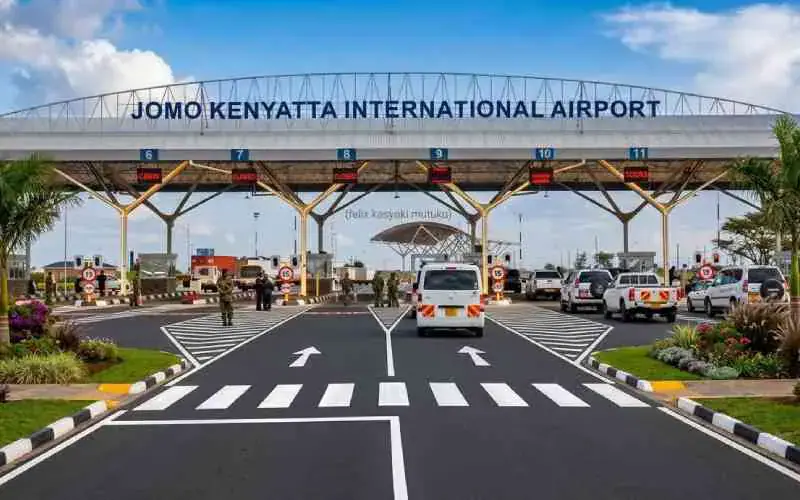
The Kenyan government has introduced a new regulation requiring foreign nationals travelling to the country to obtain mandatory inbound travel health insurance. This requirement, which took effect on October 5, 2026, applies to tourists, business travellers, and other short-term visitors. According to the regulations, non-Kenyan nationals entering the country for stays of less than 12 months must obtain individual health insurance, including children above three years of age.
The insurance costs Sh6,240 per traveller, and applicants can obtain the insurance through Kenya's official eCitizen insurance portal. The policy remains valid for 90 days and can be used for multiple entries within that period, provided the cover remains valid at the time of each entry. An electronic policy document will be issued after payment is confirmed through eCitizen, and travellers are advised to retain proof of insurance for presentation during airline check-in and upon arrival in Kenya.
The requirement applies to individual travellers as well as families and organised groups, with each eligible child required to have a separate policy. Existing foreign travel health insurance policies will not be accepted as a substitute for the prescribed cover. However, the rules provide exemptions for Kenyan citizens, holders of valid Kenyan residence status, citizens of East African Community (EAC) partner states, asylum seekers, holders of diplomatic, official and service passports, qualifying transport crew members, and transit passengers who do not seek entry into Kenya.
The insurance requirement is anchored in Section 26(6) of Kenya's Social Health Insurance Act, 2023, which provides for mandatory travel health insurance for non-Kenyans intending to enter and remain in the country for less than 12 months. The government subsequently issued implementation guidelines prescribing the minimum benefits under the scheme. The policy is intended to ensure visitors have financial protection against medical emergencies, treatment costs, and emergency transportation while in Kenya.
Under the government's insurance framework, the prescribed cover includes a minimum cumulative benefit limit of USD 50,000, encompassing medical expenses, emergency medical transportation, prescribed medicines, mental health treatment, and repatriation of mortal remains. This move has generated debate over travel costs and compliance, particularly for visitors who already purchase insurance in their home countries.
Zambian nationals have been granted special consideration under the new arrangements, with the Electronic Travel Authorisation (eTA) requirement removed for them. This means they should obtain the mandatory health insurance without submitting an eTA application. The Zambian Ministry of Foreign Affairs and International Cooperation issued a notice advising Zambian citizens and other travellers to familiarise themselves with the new rules before departure.
Travellers are advised to confirm the applicable requirements and fees through official Kenyan government channels before travelling, while ensuring that their insurance documents remain accessible throughout their journey. The introduction of mandatory cover is expected to affect tourists, business travellers, and other short-term visitors, and it remains to be seen how this new regulation will be implemented and enforced.
Key points
- Foreign visitors to Kenya are now required to have mandatory health insurance, costing Sh6,240 per traveller.
- The insurance policy must provide a minimum cumulative benefit limit of USD 50,000.
- The regulation applies to non-Kenyan nationals entering the country for stays of less than 12 months.