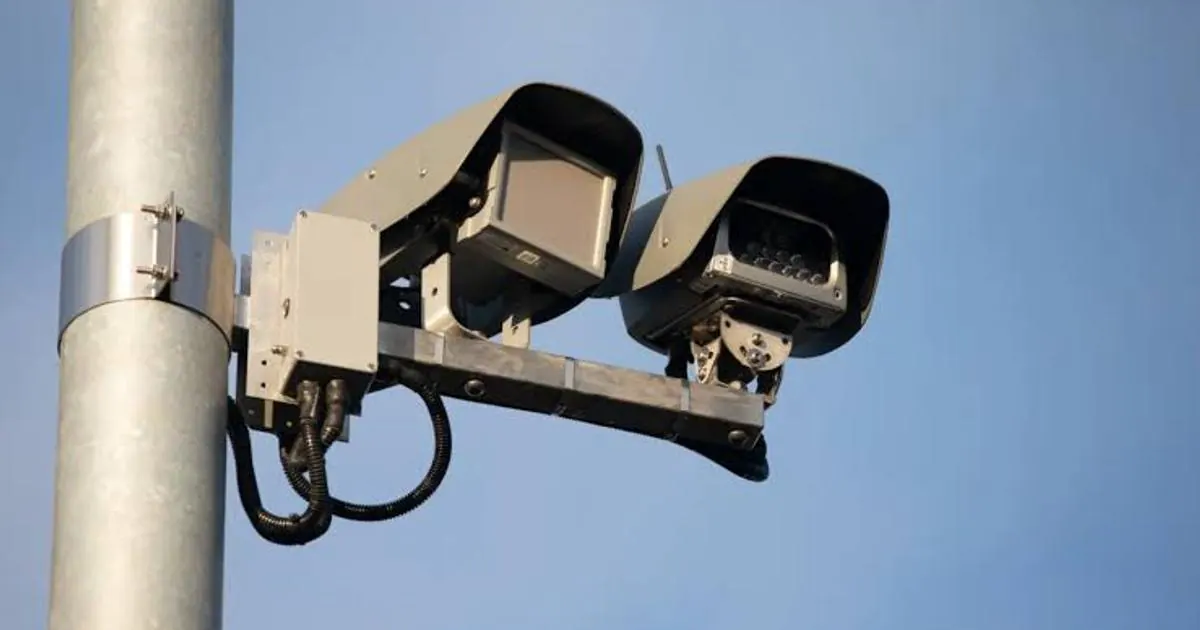
The National Transport and Safety Authority (NTSA) in Kenya has introduced an automated traffic enforcement system that utilizes smart speed cameras to monitor and fine speeding motorists. The system, which includes 1,000 smart speed cameras, comprising 700 stationary and 300 mobile cameras, is designed to identify speeding, read vehicle registration plates, and trigger traffic penalty notifications without the need for a traffic officer to stop the driver.
As part of the new system, every speed camera deployed will be accompanied by clear signage informing motorists that they are entering a speed-monitoring zone. This move aims to increase awareness and compliance with traffic laws. The NTSA Director-General, Nashon Kondiwa, announced the implementation on September 30, emphasizing that the cameras will work alongside conventional police enforcement rather than replace it. The authority believes that this system will enhance road safety and reduce accidents.
The automated traffic enforcement system links roadside cameras to vehicle registration records, enabling the authority to direct penalties to the registered owner of the vehicle. When an automated offence is detected, the notification can include a photograph and GIF showing the alleged violation, along with the location, date, and time. Motorists will receive an SMS directing them to the official fines portal, with a reference number that can be verified through designated payment points.
The technology used in the system is designed to detect more than just speeding. The AI-enabled cameras can monitor lane violations and driver distractions, such as mobile-phone use. The NTSA has stated that cameras will be placed using crash and collision data, rather than revenue targets, with road-risk analysis guiding deployment. This approach aims to ensure that the cameras are strategically located to maximize their effectiveness in reducing accidents.
Under the current penalty structure, exceeding the prescribed speed limit by 6–10km/h attracts a fine of Sh500, while going 11-15km/h over the limit attracts Sh3,000, and 16-20km/h above the limit carries a Sh10,000 penalty. Repeat offenders can also accumulate points under the demerit system, with 20 points potentially triggering licence suspension. Speed limits vary depending on the road, ranging from 50km/h in urban areas to 80km/h and above on major highways.
The automated-fines programme has faced several legal challenges since its rollout. However, on September 17, the High Court struck out a petition challenging the system, holding that the case was barred by the doctrine of res judicata. Despite this, the programme has continued to face litigation over the way automated penalties are generated and enforced. A High Court conservatory order had temporarily stopped the issuance and enforcement of automated penalties pending further proceedings.
The Kenyan government is also investing in a separate Intelligent Transport System, which covers 25 signalized junctions in its first phase, with a Sh7.9 billion investment that includes surveillance cameras, vehicle-enforcement equipment, traffic sensors, and a central traffic-management centre. The larger three-phase programme has been pegged at about Sh44.9 billion, demonstrating the government's commitment to enhancing road safety and traffic management in the country.
Key points
- The system includes 1,000 smart speed cameras, comprising 700 stationary and 300 mobile cameras.
- Motorists will receive an SMS directing them to the official fines portal, with a reference number that can be verified through designated payment points.
- The programme has faced several legal challenges since its rollout, but the government remains committed to its implementation.