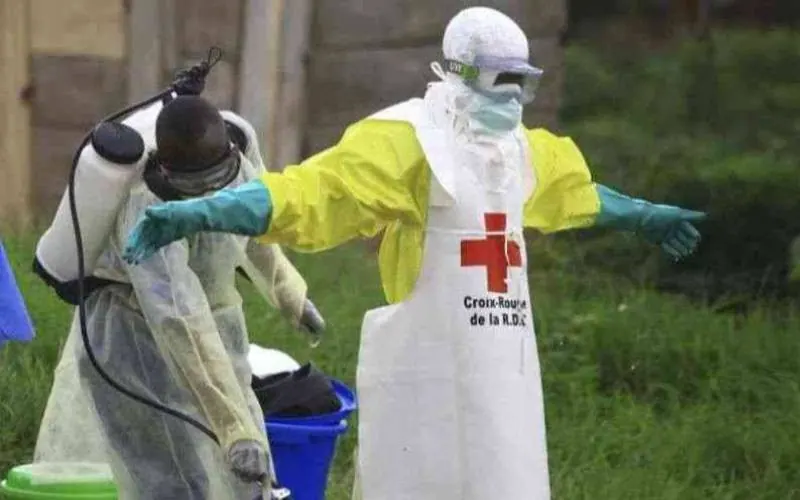
The Kenyan Ministry of Health has confirmed that 122 contacts have been linked to the country's first imported Bundibugyo Ebola case. Of these, 108 individuals are currently in quarantine and under close supervision. The Ministry of Health reported the first case on October 6, prompting immediate contact tracing, isolation of exposed individuals, and enhanced surveillance to prevent potential spread.
Health Cabinet Secretary Aden Duale stated that those in quarantine are being monitored daily, and none have developed symptoms so far. The tracing of the remaining contacts is ongoing, with collaboration from international partners where necessary, and surveillance is active around the clock. To date, 293 samples have been tested from 289 alerts, with only the imported case returning a positive result.
Kenya has also taken significant steps to enhance its screening processes at points of entry. A total of 667,675 travelers have been screened at 26 points of entry, including 2,345 in the past 24 hours. Five designated laboratories, including two mobile facilities at the Lakwaha and Busia borders, are testing samples. According to Duale, specimens can be referred from any county, with confirmed results available within six to 12 hours.
The government has prepared a total of 241 isolation beds across five hospitals in Nairobi, Eldoret, and Mombasa, including up to 50 intensive care beds at Moi Teaching and Referral Hospital. Furthermore, 4,917 healthcare workers have been trained in Ebola management, while 343 trained responders are on standby. These measures aim to ensure a swift and effective response to any potential Ebola cases.
Principal Secretary for Public Health and Professional Standards Mary Muthoni Muriuki has urged Kenyans to remain calm and continue with their normal activities while following public health guidelines. She emphasized the importance of relying on verified information from the Ministry of Health and avoiding the spread of rumors. Muthoni also stressed the need for proper hand hygiene, sanitation, and adherence to official public health advice.
Members of the public are advised to remain alert to possible symptoms of Ebola, such as fever, weakness, muscle pain, headache, and sore throat, followed in some cases by vomiting, diarrhea, rash, and bleeding. If individuals suspect exposure, they should contact health authorities for instructions rather than self-diagnosing or visiting a health facility without warning.
Kenya has received commendation from the World Health Organisation for reporting the imported case and the response measures undertaken so far. Health CS Aden Duale has also urged Kenyans to remain vigilant without panicking and to use the designated toll-free emergency helpline for guidance if they develop symptoms or suspect exposure.
Key points
- 108 Ebola contacts are in quarantine and under close supervision in Kenya.
- Kenya has screened 667,675 travelers at 26 points of entry to enhance surveillance.
- The government has prepared 241 isolation beds across five hospitals in key locations.