The Kenyan government has been ordered to pay out billions of shillings in compensation for various blunders, including unlawful arrests, torture, and breaches of contract. According to court records, the government, counties, police, and public institutions have been instructed to pay out massive sums of money in damages, allowances, delayed salaries, and broken contracts. These cases involve allegations of unlawful detention, torture, extrajudicial killings, unlawful terminations, land disputes, and breached public tenders.
One notable case that shook the government was that of Nnamdi Kanu, a Nigerian campaign leader. The High Court ruled in 2025 that Kanu was abducted, secretly detained, and tortured before being taken to Nigeria. The government was ordered to pay him Sh10 million in compensation, along with court costs. In another case, the High Court instructed the police and the Attorney General to pay Sh35.4 million to the families and 28 victims of police operations during Azimio protests in 2023.
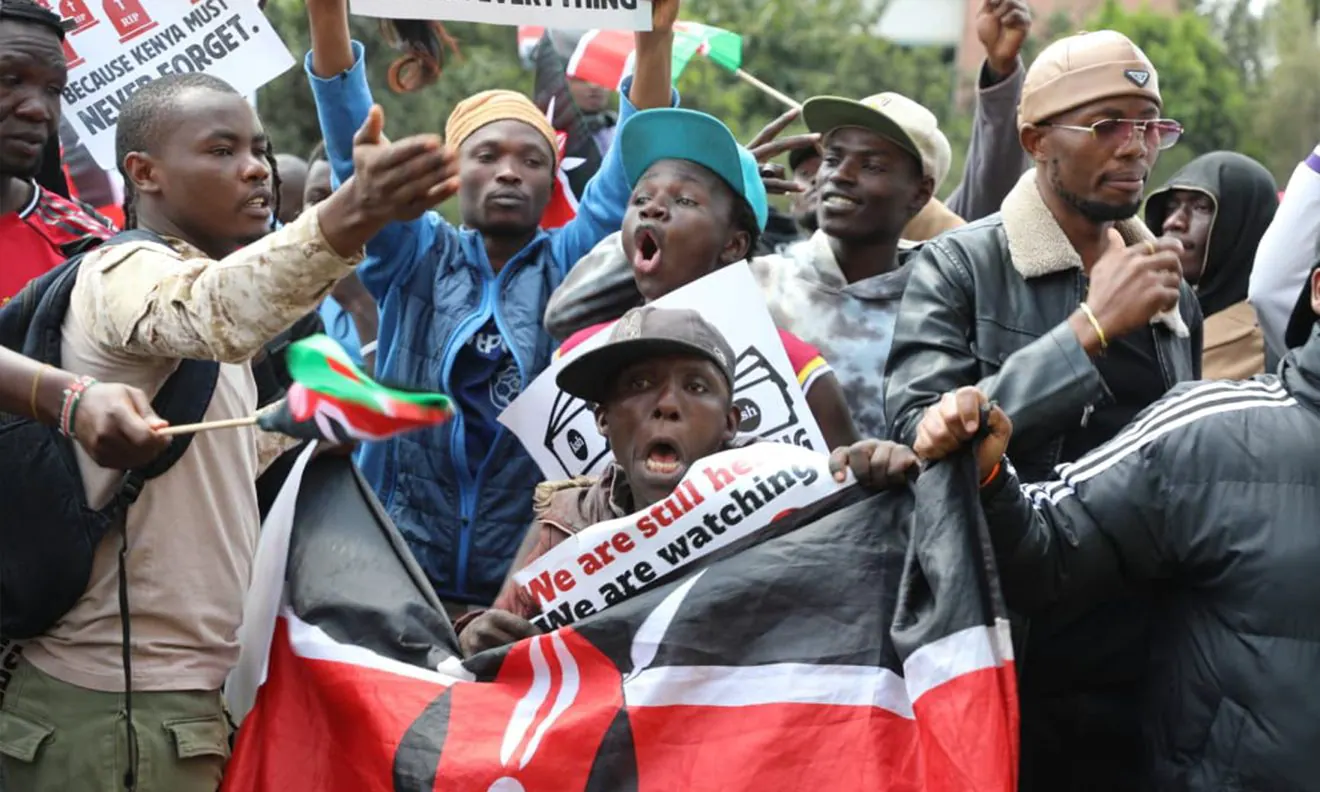
The Kenyan government has also been forced to compensate citizens for human rights abuses during protests between 2013 and 2025. A budget of Sh2 billion has been allocated for this purpose, which includes compensation for those killed, injured, and victims of human rights abuses. Separately, the Senate is battling a court order to pay former Deputy President Rigathi Gachagua Sh50 million after the court ruled that some of his constitutional rights were violated during his impeachment.
Other significant cases involve human rights abuses from previous years. Michael Rubia was awarded Sh17 million after being unlawfully detained and tortured under the previous administration. The government also covered his medical expenses in the UK. The High Court also approved payouts of Sh2.5 million to each of six political prisoners arrested in 1992 during Freedom Corner protests.
In a case involving former Kenya Air Force officers affected by a 1982 coup attempt, the Court of Appeal upheld a payout of Sh6.25 billion to 284 officers who were tortured, detained, and unfairly terminated. The government has also incurred costs due to police-related killings. The family of Pakistani journalist Arshad Sharif was awarded Sh10 million after the court ruled that he was unlawfully shot in a Kajiado area in 2022.
In the land sector, the Environment and Land Court awarded Johannes Akello Omboto Sh5 million after his property wall was demolished by officials executing Kenya Railways projects without following procedures. Public institutions have also been ordered to pay millions due to breached contracts. The National Social Security Fund (NSSF) was instructed to pay over Sh112 million to Micro-City Computers after backing out of a CCTV system contract.
These cases demonstrate the substantial financial burden on taxpayers due to government officials' blunders. Although the officials involved are often not personally liable, the cost of compensation and debts ultimately falls on citizens through public funds. The government faces mounting pressure to address these issues and prevent similar cases in the future.
Key points
- The Kenyan government has been ordered to pay out billions of shillings in compensation for various blunders, including unlawful arrests, torture, and breaches of contract.
- A budget of Sh2 billion has been allocated to compensate victims of human rights abuses during protests between 2013 and 2025.
- Public institutions have also been ordered to pay millions due to breached contracts, highlighting the substantial financial burden on taxpayers.