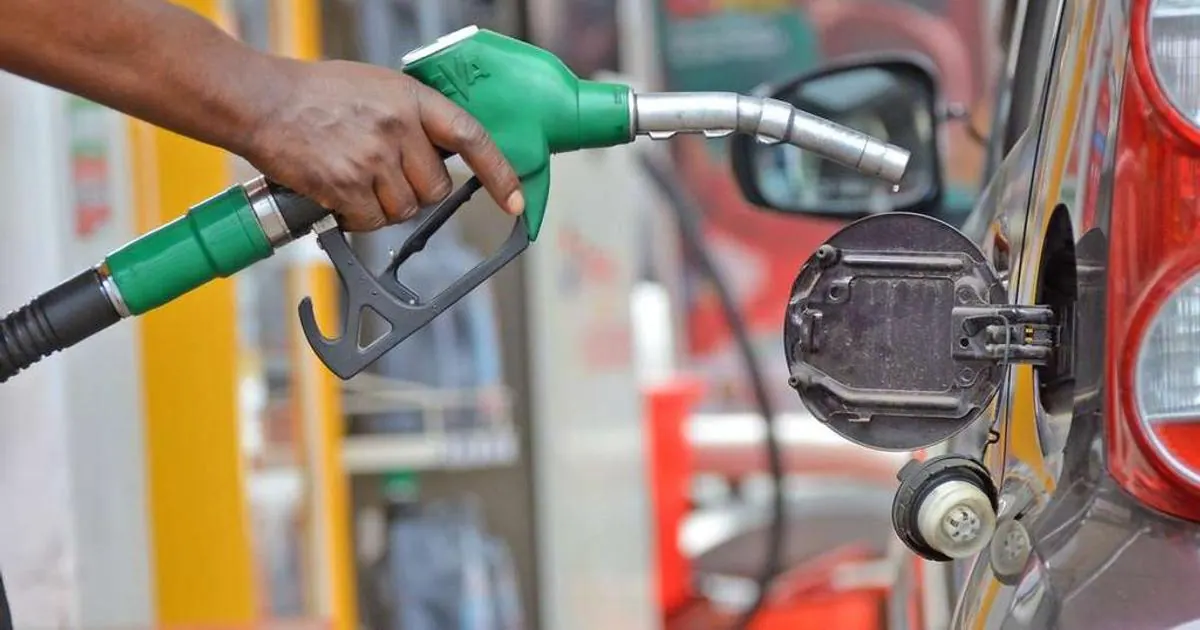
Kenya's Energy Cabinet Secretary Opiyo Wandayi has addressed concerns of a potential fuel shortage in the country, citing disruptions to global petroleum shipments linked to the escalating Middle East conflict. Wandayi assured Kenyans of an uninterrupted supply, stating that the government is monitoring developments in the region and has a solid plan to mitigate the impact. He attributed the steady supply of fuel to the Government-to-Government oil importation deal.
Wandayi's assurance comes after Energy and Petroleum Regulatory Authority (EPRA) Director General Edward Mwirigi Kinyua stated on October 15 that Kenya had more than 15 days of fuel stocks. Suppliers under the G-to-G arrangement have pledged to continue delivering petroleum products. EPRA noted that prevailing global market conditions are likely to push global oil prices further, bracing Kenyans for tougher times ahead.
Kiharu Member of Parliament Ndindi Nyoro predicted a sharp increase in global fuel prices, stating that prices will likely touch the highest levels next week since the start of the crisis in Iran. Nyoro forecasted that the mid-term election in the United States will push prices to the highest ever recorded since the conflict began. He attributed this to Iran seeking to inflict maximum damage on Trump by attacking more ships and oil-related facilities.
According to Nyoro, fuel prices will peak on November 5, coinciding with the US mid-term elections. He stated that Trump will seek to do his worst since there will be nothing to protect or prevent. The MP's predictions come as motorists in Kenya face the highest fuel prices in history, with the maximum retail price for a litre of super petrol rising by Sh12.93 to Sh226.96 per litre in Nairobi.
The recent fuel price hike has prompted Kenya's public transport operators to urge President William Ruto to introduce fuel subsidies. Mass Mobility Operators Association (MMOA) Secretary-General Wilfred Bosire stated that the government can bring subsidies to alleviate the burden on motorists. The price of diesel rose by Sh9.90 to Sh227.76, while kerosene had the highest increase, jumping by Sh28.49 to Sh219.87 per litre for the period ending November 14.
The fuel price hike has significant implications for Kenyans, with the public transport sector likely to be affected. The MMOA's call for subsidies is a response to the rising fuel costs, which are expected to further increase in the coming weeks. The government's monitoring of the situation and plans to mitigate the impact will be crucial in determining the future of fuel prices in Kenya.
The global oil market continues to experience volatility, with the conflict in the Middle East and the US mid-term elections contributing to the uncertainty. As Kenya navigates these challenges, the government's strategies will play a crucial role in managing the impact on fuel prices and supply. Kenyans will be watching closely as the situation unfolds.
Key points
- - The Kenya government has assured citizens of uninterrupted fuel supply amid global price hikes and Middle East conflict. - Kiharu MP Ndindi Nyoro predicts a sharp increase in global fuel prices, peaking on November 5. - Public transport operators urge President William Ruto to introduce fuel subsidies to alleviate the burden on motorists.