Kenya has confirmed its first Ebola case after a citizen who had been living in the Democratic Republic of Congo (DR Congo) for seven years died in a Nairobi hospital. The patient had been receiving treatment at several hospitals in DR Congo after falling ill about a month ago. According to Health Minister Aden Duale, the patient traveled by road to Uganda's capital, Kampala, before boarding a Jambojet flight to Nairobi on October 3.
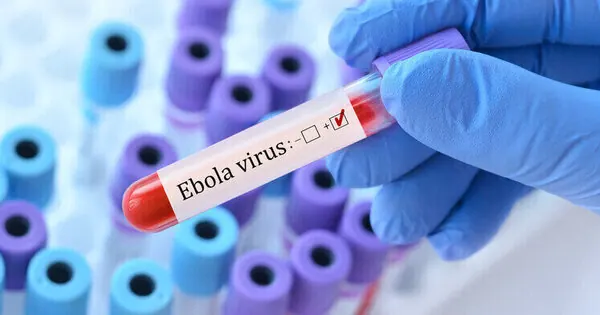
The patient underwent routine screening at Jomo Kenyatta International Airport, after which a relative and a friend took him directly to Nairobi Hospital, where he was immediately isolated. Two laboratories confirmed the Bundibugyo strain of Ebola, and the patient died on Monday night. The authorities have identified 28 contacts, including relatives and healthcare workers, and are tracing another 23 passengers and four crew members who were on the same flight as the patient.
The Health Ministry has said it is tracing the 23 passengers and four crew members who were on the same flight as the patient. Minister Duale reassured the public that all systems are in place to mitigate the spread of the disease and urged the public not to panic. The Ministry is working to contain the outbreak and prevent further spread of the disease.
DR Congo declared the outbreak in May and recorded 8,442 confirmed infections and 4,080 deaths as of October 2, according to the Health Ministry. The World Health Organization (WHO) says insecurity, a humanitarian crisis, and extensive population movements have complicated containment. There is no licensed vaccine or specific treatment for the Bundibugyo strain, although trials are underway.
Ebola spreads through direct contact with infected bodily fluids, including those of deceased patients. Uganda also recorded 20 confirmed cases and two deaths before the WHO declared the country Ebola-free in August. Kenya had never recorded an Ebola case despite repeated outbreaks in other African countries. The 2014-2016 epidemic that devastated Guinea, Liberia, and Sierra Leone killed more than 11,000 people.
Nairobi announced heightened surveillance and screening in May following the outbreaks in DR Congo and Uganda. It agreed to host a controversial US-backed quarantine facility at Laikipia Air Base for Americans exposed to the virus abroad, prompting protests and a legal challenge over fears of importing infections. In June, Kenya's health minister was found in contempt of court after construction continued despite a High Court order suspending the project.
The US-based Christian relief organization Samaritan's Purse confirmed that seven employees returning from DR Congo were quarantined in Kenya but did not disclose their location. The Law Society of Kenya and constitutional watchdog Katiba Institute alleged in July that the facility was operating despite the court ban. Minister Duale apologized and said he ordered the immediate and complete cessation of any intended construction, site preparation, or related activities at the facility.
Key points
- The patient had been living in DR Congo for seven years and had been receiving treatment at several hospitals before traveling to Nairobi.
- The authorities have identified 28 contacts and are tracing 23 passengers and four crew members who were on the same flight as the patient.
- There is no licensed vaccine or specific treatment for the Bundibugyo strain of Ebola, although trials are underway.