The Kenya Coast Guard Service (KCGS) is strengthening its operational readiness to respond to risks linked to heavy rainfall, rising water levels, strong currents, flash floods, and rough sea conditions. As part of the government's national contingency plan, KCGS is prioritizing areas that have historically recorded high vulnerability to flooding and other weather-related emergencies. The service is undertaking pre-deployment and asset-readiness measures, including inspection and servicing of patrol boats, inflatable rescue crafts, and life-saving equipment.
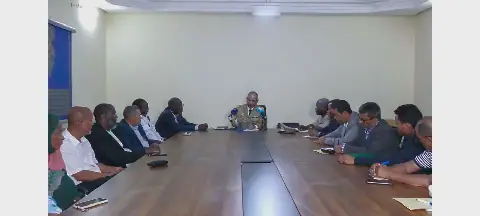
KCGS is positioning rescue vessels and response teams in high-risk areas ahead of the peak rainfall period. The service has secured and stockpiled fuel reserves, emergency rations, medical kits, and communication equipment to support sustained emergency operations. A dedicated Maritime Disaster Response Joint Operations Centre has been established at KCGS headquarters in Mombasa to provide 24-hour monitoring and maintain operational links with the National Disaster Operations Centre and the Kenya Meteorological Department.
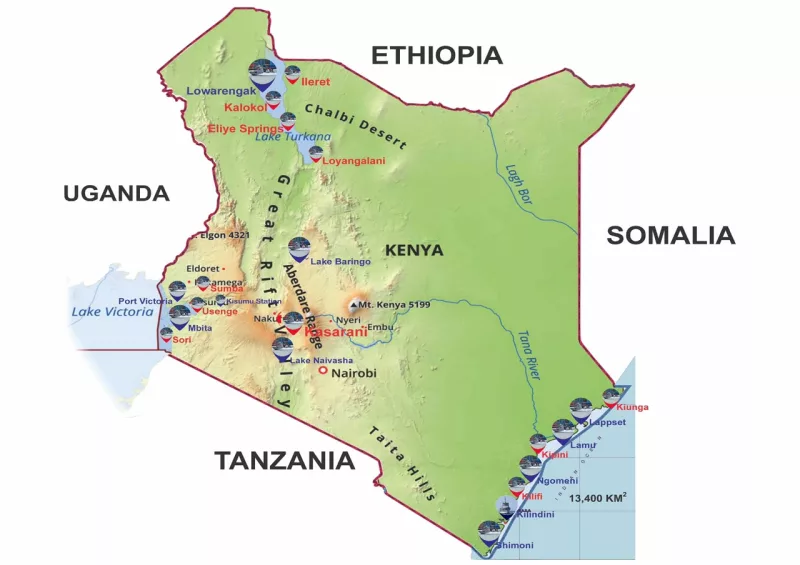
The centre will support timely sharing of weather, maritime, and disaster-related information to guide response and deployment. Based on historical flood patterns and vulnerability assessments, KCGS will concentrate personnel, vessels, and other resources in coastal and marine hotspots, as well as inland waterways. Particular attention will be given to areas such as the Tana River Delta and Garsen, where upstream runoff could cause severe flooding and disrupt key transport links.
The Lamu Archipelago is also a priority area, as island communities depend heavily on water transport and face increased risks during rough seas. Vanga and Shimoni in Kwale County will receive attention due to the vulnerability of low-lying estuarine areas to tidal surges and flash floods. In Mombasa, Tudor and Port Reitz creeks will remain priority areas because settlements near water basins are exposed to flooding and related hazards.
KCGS will also maintain heightened preparedness around Kilifi Creek and the Sabaki River mouth, where increased river discharge could pose risks to communities and fishing vessels. Inland, preparedness will cover the Lake Victoria Basin, particularly Kisumu, Homa Bay, and Budalang'i, where rising water levels and backflow flooding could submerge landing sites and leave fishing boats and communities stranded.
As part of its engagement with the public, KCGS has issued a Maritime Security Alert to vessel operators, advising them to maintain proper communication equipment and adequate safety gear while at sea. The service is also conducting joint flood-rescue simulation drills with the Kenya Navy, Kenya Wildlife Service, and local divers at Diani Beach to test interoperability, response procedures, and the readiness of personnel and equipment.
Since 2023, KCGS has responded to more than 1,500 maritime emergencies, including 424 rescue cases this year alone. The government has urged members of the public to remain vigilant and follow official weather and safety advisories, avoiding unnecessary movement on or near hazardous waterways during periods of severe weather. KCGS will continue monitoring conditions and adjust deployments according to weather forecasts and emerging risks.
Key points
- The Kenya Coast Guard Service is prioritizing areas with high vulnerability to flooding and other weather-related emergencies.
- A dedicated Maritime Disaster Response Joint Operations Centre has been established to support timely sharing of information.
- KCGS has responded to over 1,500 maritime emergencies since 2023.