Kenya has witnessed a significant increase in cholera deaths, with 27 reported fatalities in 2025, representing a more than fivefold rise compared to the five deaths recorded in 2024. The country reported 725 cholera cases to the World Health Organization (WHO) last year, an 18% increase from the 613 cases reported in 2024. This surge in cholera cases and deaths has raised concerns among health experts, who warn that the risk of cholera is escalating due to floods and drought, which strain fragile health systems.
The WHO has attributed the rise in cholera deaths to the challenges in preventing and treating the disease, despite having the necessary tools. Dr. Chikwe Ihekweazu, executive director of WHO's Health Emergencies Programme, emphasized that targeted investments in safe water, sanitation, and hygiene could significantly reduce cholera cases and deaths. He also stressed the importance of stronger disease surveillance, community engagement, vaccination, and access to quality care in reversing the trend.
According to the WHO, Kenya ranked 11th among African countries by reported cholera deaths in 2025 and 12th globally. The global cholera picture worsened in 2025, with 47 countries reporting 451,499 cholera cases and 7,870 deaths to the WHO. Although reported cases decreased by 19.5% from 560,823 in 2024, deaths increased by 30.6% from 6,028. The 7,870 deaths reported in 2025 were the highest annual number reported to the WHO since 1999.
The WHO African Region bore the largest burden of cholera, reporting 245,501 cases and 5,338 deaths. This represents a 34% increase in cases and a 58% rise in deaths compared to 2024. Kenya's reported facility-based case fatality rate was 2.9% in 2025, which is higher than the WHO's expected level of less than 1% when patients receive prompt and appropriate treatment. Of the 27 reported deaths in Kenya, 21 occurred in health facilities, while six occurred in communities.
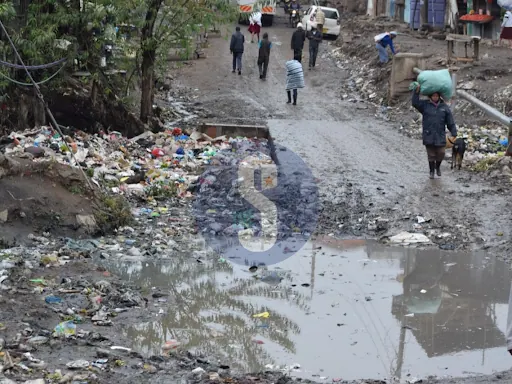
Community deaths can indicate that sick individuals are not accessing medical care in time. Cholera is an acute diarrheal disease caused by the bacterium Vibrio cholerae, primarily spread through contaminated food or water. The disease is particularly dangerous in areas lacking clean water, toilets, and proper waste disposal. Severe cholera can cause large amounts of watery diarrhea and vomiting, rapidly leading to dehydration, which can be fatal if left untreated.
Public Health Principal Secretary Mary Muthoni has warned of a possible rise in waterborne diseases due to heavy rains in several parts of Kenya. She urged residents to take preventive public health measures, including clearing blocked drainage systems, draining stagnant water, and cutting bushes around homes to prevent flooding and reduce disease risks. Muthoni also advised residents to sleep under mosquito nets to prevent malaria and ensure utensils and food are kept clean to avoid cholera and other waterborne diseases.
The Kenyan government, in collaboration with international health organizations, is working to address the cholera outbreak and prevent further spread of the disease. Key to this effort is improving access to safe water, sanitation, and hygiene, as well as enhancing disease surveillance and community engagement. By taking proactive measures, Kenya aims to mitigate the impact of cholera and other waterborne diseases, ultimately reducing the number of cases and deaths.
Key points
- Kenya's cholera deaths surged over fivefold in 2025, with 27 reported fatalities and 725 cases.
- The global cholera burden reached its highest level in over two decades, with 7,870 deaths reported in 2025.
- The WHO emphasizes that targeted investments in safe water, sanitation, and hygiene can significantly reduce cholera cases and deaths.