Kenya has confirmed its first Ebola case, a Kenyan man who had been living in the Democratic Republic of Congo for seven years. He started feeling ill a month ago and traveled by road to Uganda before boarding a flight to Nairobi, where he tested positive for the Ebola virus in a hospital and died on Monday. The patient’s journey has raised questions about border control and how to effectively trace the virus across countries.
The Africa CDC Director-General, Jean Kaseya, has expressed concerns about the ease with which the patient was able to travel undetected. He emphasized the need for a strong surveillance system at points of entry to prevent similar incidents in the future. Kaseya’s comments highlight the challenges in controlling the spread of Ebola, particularly in regions with porous borders and limited resources.
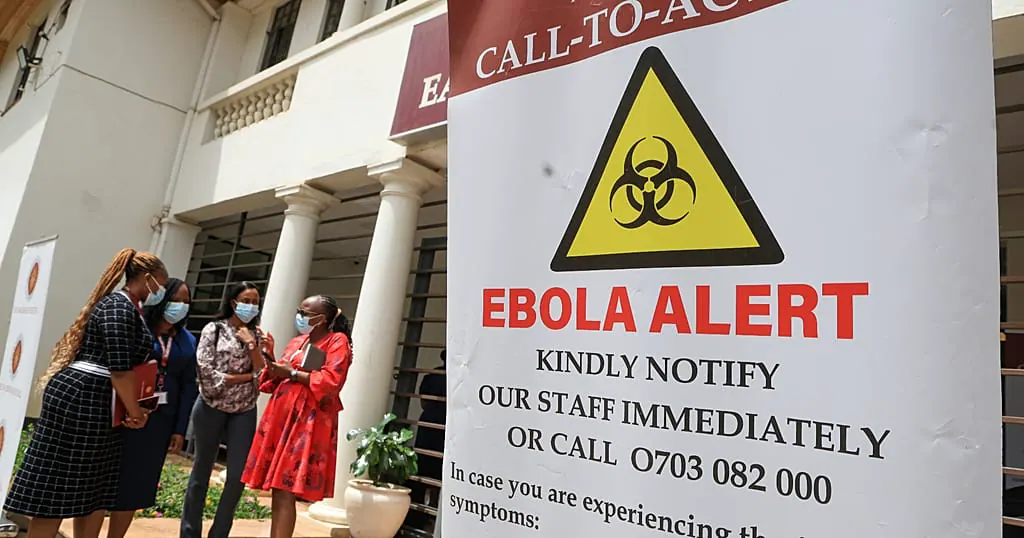
In response to the case, Kenya’s Health Ministry has heightened surveillance at border entry points and created an Ebola hotline for citizens to report symptoms related to Ebola. The ministry has also designated five health facilities with a total of 241 isolation beds to manage patients and is working to increase this capacity. These measures aim to enhance the country’s preparedness and response to potential Ebola cases.
The Kenyan government has mobilized resources since the outbreak started in May in Congo and has ensured that it has enough supplies, including personal protective equipment. The ministry has designated a specific gate at the country’s main airport for passengers traveling from 10 countries located within the outbreak’s epicenter. This targeted approach aims to minimize the risk of Ebola transmission.
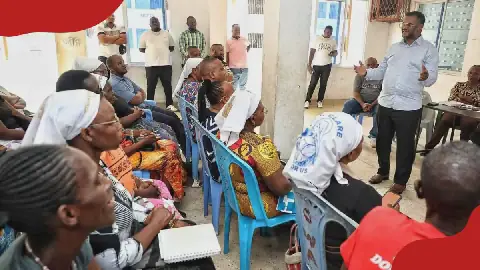
Ebola is highly contagious and spreads through contact with bodily fluids such as vomit, blood or semen, and with contaminated surfaces and materials. The virus can be transmitted through close contact with infected individuals, highlighting the need for strict infection control measures. Health workers and officials are working to educate the public about the risks and prevention strategies.
The patient’s case has sparked concerns about the effectiveness of current border control measures in the region. The incident has also underscored the importance of regional cooperation and coordination in responding to public health emergencies. Kenya’s experience serves as a reminder of the need for vigilance and preparedness in the face of infectious disease outbreaks.
Kenya’s Health Ministry continues to work with international partners and local authorities to strengthen its response to the Ebola outbreak. The country’s experience with the first Ebola case will inform its preparedness and response efforts, helping to prevent similar incidents in the future. The ministry remains committed to protecting public health and preventing the spread of infectious diseases.
Key points
- Kenya reports its first Ebola case, a patient who traveled through three countries without being detected.
- The Africa CDC Director-General emphasizes the need for strong surveillance systems at points of entry.
- Kenya’s Health Ministry has heightened surveillance and designated specific health facilities to manage potential Ebola cases.