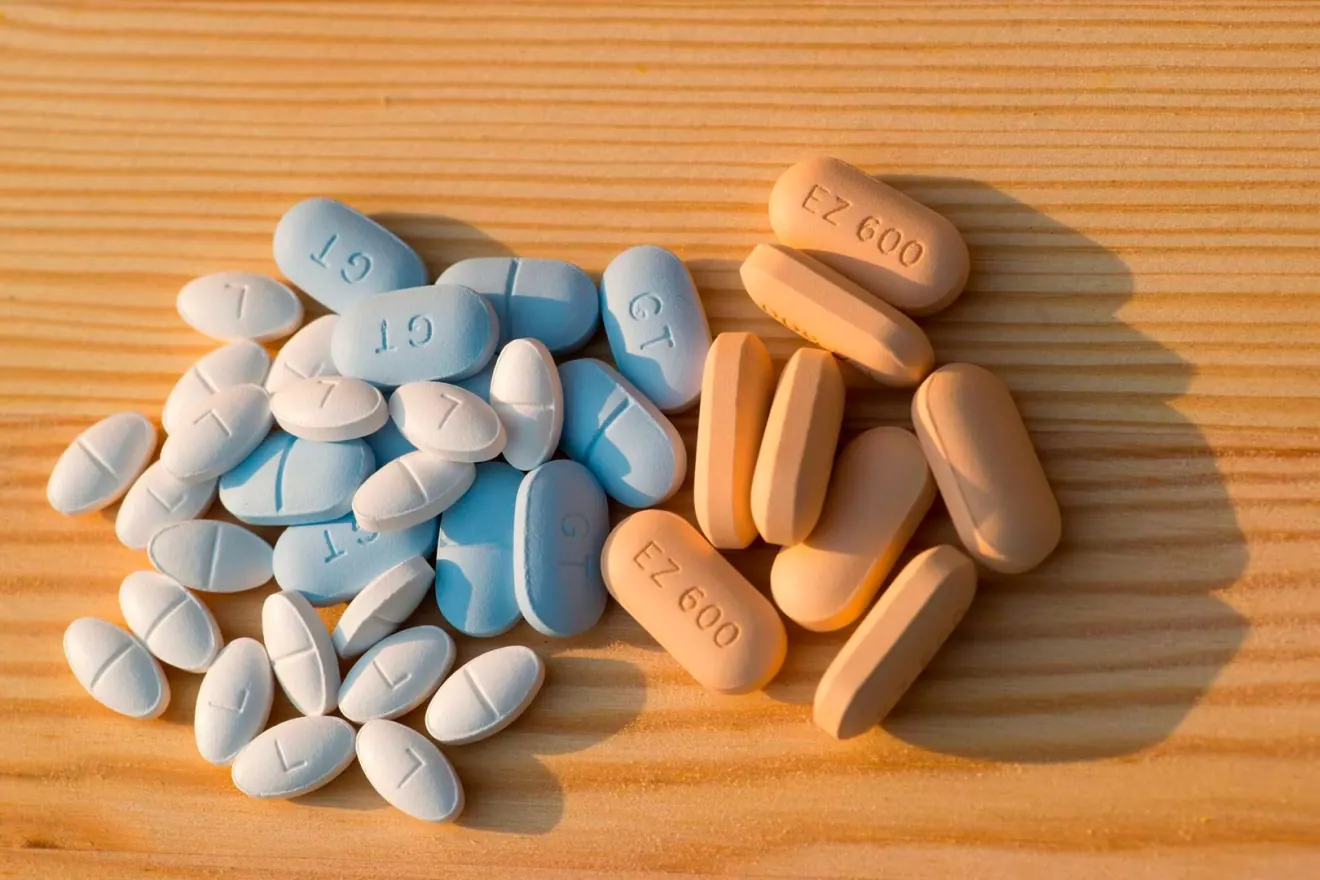
Patients in Kenyan hospitals are receiving substandard medication, which can lead to severe health complications or even death. The Pharmacy and Poisons Board (PPB) has issued 16 orders to remove suspect drugs and medical products from the market this year. These products include essential medications such as antibiotics, asthma inhalers, and stomach medications. The increasing number of substandard drugs being detected is attributed to improved surveillance systems.
The problem of substandard drugs in Kenya's healthcare system is multifaceted. Some defects originate from manufacturing plants outside the country, while others result from poor storage or transportation conditions. Many of the removed drugs were manufactured in foreign countries, particularly in India. Companies have been linked to issues such as color changes, failure to meet required chemical standards, or contamination.
Industrial pharmacist at Kenyatta University Teaching, Referral and Research Hospital (KUTTRH), Dr. Lonary Ngetich, notes that locally manufactured drugs are often removed from the market due to visible defects like impurities. In contrast, imported drugs often exhibit chemical problems that can only be detected through laboratory tests. Even properly manufactured drugs can deteriorate due to extreme temperatures, humidity, or improper storage during transportation.
The consequences of substandard drugs on patients can be severe. Medications with incorrect chemical compositions can cause illnesses to progress, organs to fail, or even lead to death. Furthermore, the use of substandard drugs can contribute to the growing problem of antimicrobial resistance. Experts warn that defects are often discovered after patients have already used the medication.
To address the issue, the government is implementing the National Strategy for Counterfeit and Substandard Medicines. The plan aims to strengthen supply chain management, improve market surveillance, and ensure that only safe medications reach Kenyan patients. According to PPB data, reported cases of substandard drugs increased from 42 in 2021 to 85 in 2023 before declining in subsequent years.
The PPB has systems in place to receive reports from healthcare workers and citizens. However, experts emphasize that more needs to be done to prevent substandard drugs from entering the market. The actual number of patients affected by these medications remains unknown. Dr. Ahmed Mohamed, PPB's Director General, attributes the increase in detected cases to improved surveillance systems.
The Kenyan government is working to enhance its regulatory framework and improve collaboration with international partners to combat the influx of substandard drugs. The goal is to ensure that patients receive safe and effective medications. Key stakeholders, including healthcare professionals and industry players, are being engaged to support the efforts.
Key points
- The Pharmacy and Poisons Board (PPB) has issued 16 orders to remove suspect drugs and medical products from the market this year.
- Substandard drugs can cause illnesses to progress, organs to fail, or even lead to death.
- The government is implementing the National Strategy for Counterfeit and Substandard Medicines to address the issue.